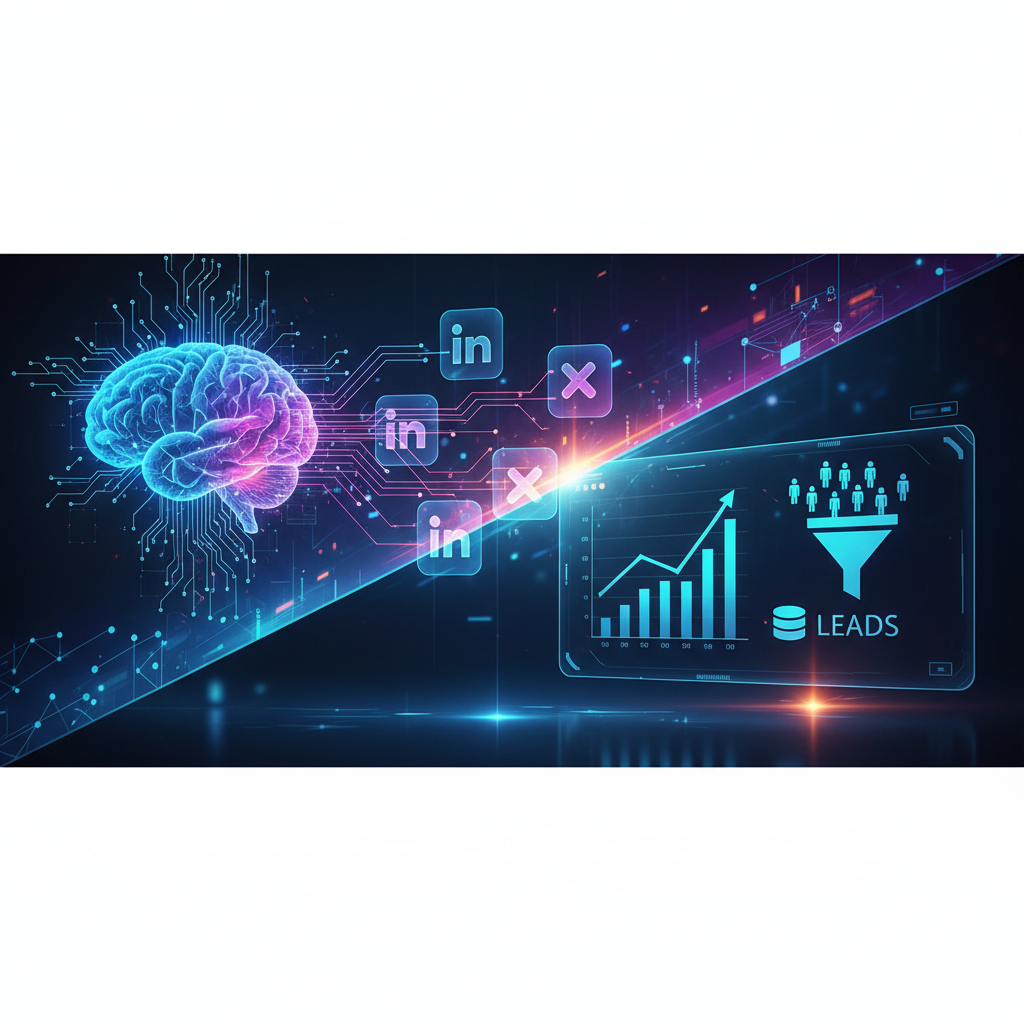
Imagine waking up to a flood of new leads every morning, all generated while you were asleep. This isn't a dream; it's the real potential of learning how to automate social media lead generation using AI technology. Many businesses struggle with the constant grind of finding new leads across platforms like Facebook and LinkedIn. It's a task that can consume hours every week. But what if there was a way to let technology handle this for you? This is where AI-powered automation steps in, promising not just efficiency but also precision in targeting the right audience. Let's explore how you can harness this power for your advantage.
Understanding Social Media Lead Generation Automation
Social media lead generation automation involves using software tools to automatically identify, attract, and engage potential leads on social platforms. The core idea is to use technology to streamline repetitive tasks, such as posting content or interacting with followers, which traditionally required manual effort. This automation becomes even more powerful when integrated with AI technology, which can analyze data and make real-time decisions. For instance, an automated system might post content at optimal times based on user engagement data or adjust messaging strategies based on trending topics. This goes beyond mere convenience; it fundamentally changes how businesses interact with their audience, turning a previously reactive process into a proactive strategy.
To truly understand the impact, consider that according to DataReportal's 2023 Global Overview Report, there are over 4.89 billion people using social media worldwide. This immense audience offers a vast pool of potential leads, but manually managing interactions across multiple platforms can be overwhelming. Automation allows businesses to tap into this potential efficiently. For example, a small business might use AI to analyze engagement patterns and discover that their posts perform best on Tuesdays and Thursdays. Armed with this information, they can automate their posting schedule to optimize reach and engagement, thereby increasing the likelihood of generating quality leads without additional manual effort.
Setting Up Automated Social Media Bots
The first actionable strategy in automating your social media lead generation is to set up bots that manage and execute your marketing tasks. Start by identifying tasks that are time-consuming yet crucial, such as posting updates, responding to comments, and sending initial engagement messages. Tools like Hootsuite and Buffer can be programmed to post on your behalf at the most effective times, ensuring consistent online presence without manual input. Furthermore, AI-driven bots can engage with users by commenting or liking relevant posts, thereby increasing your visibility. As you refine this setup, ensure your bots are aligned with your brand voice and guidelines to maintain authenticity.
Setting up these bots requires careful planning. First, define your objectives clearly—what do you want to achieve with automation? Is it increased brand awareness, higher engagement, or more conversions? Once your goals are clear, select the right tools that align with these objectives. For instance, if your aim is to increase engagement, platforms like ManyChat can help create chatbots that interact with your audience in real-time, answering queries and funneling potential leads to your sales team. Recent studies suggest that chatbots can handle up to 80% of standard customer questions, freeing up human resources for more complex tasks.
Enhancing Lead Generation with AI-Powered Tools
AI-powered tools take automation to the next level by analyzing user data and trends to optimize your marketing efforts. Platforms like Sprout Social and HubSpot use machine learning to predict which types of content will perform best and suggest the most effective engagement strategies. These tools help in creating high-converting landing pages by analyzing previous performance and visitor behavior, which is essential for capturing and nurturing leads. Additionally, AI can automate customer segmentation, ensuring that personalized content reaches the right audience. By leveraging these technologies, you not only save time but also enhance the quality of your interactions and conversions.
The magic of AI lies in its ability to learn and adapt. A study by Salesforce indicates that marketers who use AI see a 39% increase in revenue and a 47% improvement in customer satisfaction. This is because AI can process vast amounts of data far quicker than any human, identifying patterns and insights that can shape your marketing strategy. For example, if an AI tool detects that a particular demographic engages more with video content, you can pivot your content strategy to include more videos targeted at that group, thereby increasing the likelihood of conversion. Moreover, AI tools can predict trends, allowing you to get ahead of the curve and tailor your campaigns for maximum impact.
Common Mistakes in Social Media Automation
While automation offers numerous benefits, there are common pitfalls to avoid. One major mistake is relying too heavily on automation, leading to a loss of personal touch in interactions. Followers can easily spot generic responses, which can harm your brand's credibility. Another issue is failing to update automation strategies regularly. Social media trends and algorithms change rapidly, and what worked yesterday might not be effective today. It's crucial to constantly review and adjust your automated systems. Finally, ignoring data privacy laws and regulations when automating can lead to compliance issues. Ensure that your practices align with the latest legal standards to protect both your business and your leads.
It's also important to remember that the audience's needs and behaviors change frequently. What appealed to your audience last year might not have the same effect today. For instance, the rise of short-form videos on platforms like TikTok and Instagram Reels means that audiences are consuming content differently. If your automation strategy doesn't adapt to these changes, you risk becoming irrelevant. Furthermore, data breaches are an ever-present concern, with regulatory bodies tightening their laws on data protection. The GDPR in Europe is just one example of strict data privacy regulations that demand compliance. Failure to adhere to these can not only result in hefty fines but also damage to your brand's reputation.
Scaling Your Automated Lead Generation Efforts
Once you've established a solid automation foundation, it's time to scale your efforts. Begin by expanding to additional platforms or regions, using similar AI tools and strategies tailored to each new market. Consider integrating your automated system with other marketing channels, such as email marketing and SEO, to create a cohesive, multi-channel strategy. For example, you can link your social media efforts with targeted email follow-ups, as covered in our post on SEO techniques. Additionally, continuously collect and analyze data to identify new opportunities and refine your strategies. Scaling doesn't just mean doing more—it means doing it smarter, with precision and efficiency.
When scaling, think globally but act locally. Each market has its own nuances and behavior patterns. A strategy that works well in the US might not perform the same in Europe or Asia. Use AI to gather insights specific to each region and adjust your approach accordingly. For instance, AI can analyze language preferences, peak engagement times, and cultural trends that could inform your content strategy. Moreover, integrating AI with CRM systems allows for seamless lead tracking and nurturing across different channels, ensuring no lead is lost due to fragmented systems. As you scale, continually test and optimize your strategies, ensuring each new step is backed by data and insights.
Related: You might also find this useful: Master Automate Social Media Marketing and Lead Generation Using AI Technology
What is AI in social media marketing?
AI in social media marketing involves using artificial intelligence technologies to automate and optimize marketing activities. This includes tasks such as content scheduling, audience targeting, and engagement tracking, all aimed at improving efficiency and effectiveness in reaching your audience.
How can AI improve lead generation?
AI improves lead generation by analyzing data to identify potential leads, optimizing engagement strategies, and personalizing communication. This ensures that marketing efforts are targeted and effective, leading to higher conversion rates and better ROI.
Are there any risks with using AI for lead generation?
Yes, risks include over-reliance on automation, which can lead to a loss of personal interaction, and potential compliance issues with data privacy laws if not managed correctly. It's important to balance automation with genuine human engagement and stay updated on legal requirements.
What are some recommended AI tools for social media automation?
Recommended AI tools for social media automation include Hootsuite for scheduling, Sprout Social for analytics and engagement, and HubSpot for comprehensive marketing automation, all of which can be tailored to enhance your specific marketing goals.