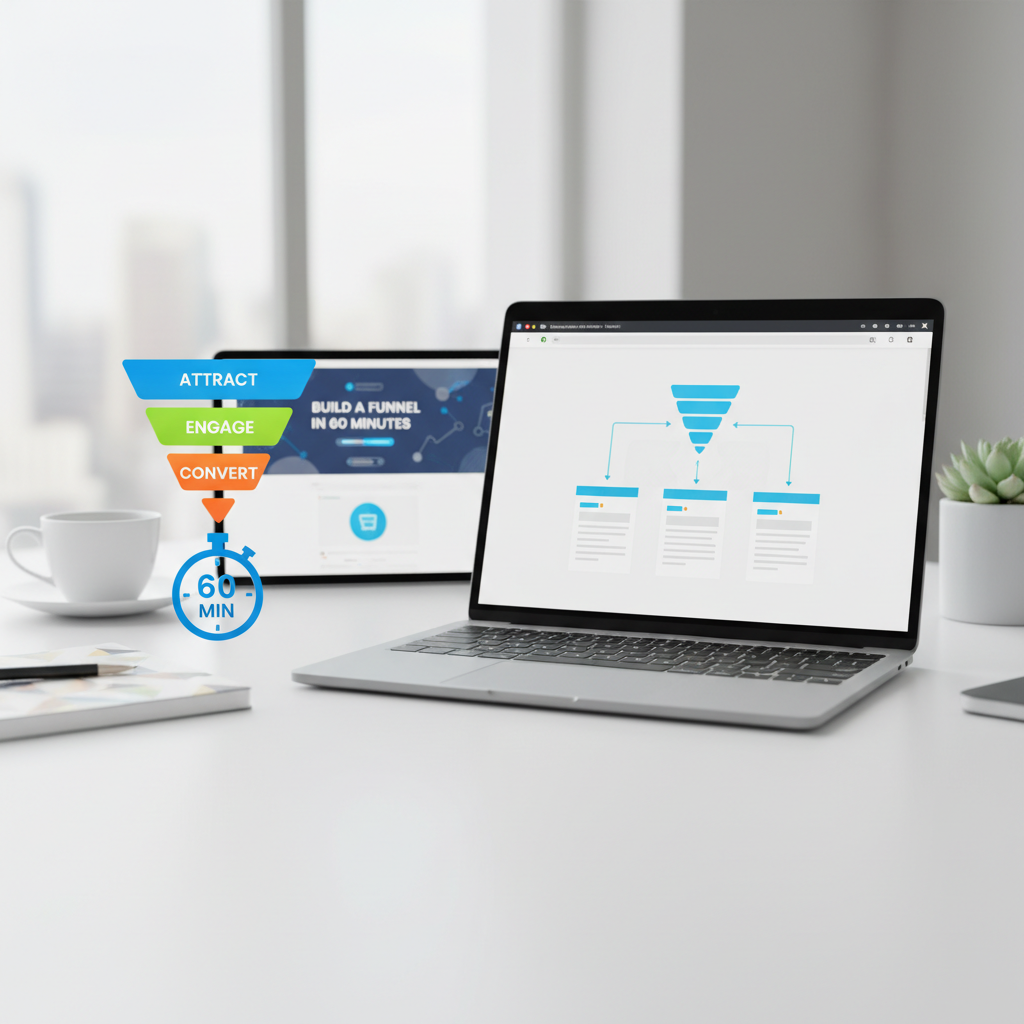
In the fast-paced world of digital marketing, time is a commodity you can't afford to waste. If you're aiming to launch a product or service, understanding how to design an effective 3 step funnel in under an hour can be your biggest asset. With competition soaring and consumer attention spans dwindling, having a streamlined approach to capturing, nurturing, and converting leads is essential. But where do you start, especially when you're short on time? This guide will not only answer that but provide you with the tools to get your funnel up and running fast.
Understanding the Core Concept of a 3 Step Funnel
A 3 step funnel is a simplified sales process designed to guide potential customers from awareness to decision-making, efficiently. The concept behind it is not just about quick execution but also about maximizing impact with minimal steps. Typically, the three stages include:
- Awareness: Attracting the right audience with targeted content.
- Engagement: Building interest and nurturing potential leads.
- Conversion: Encouraging a purchase or sign-up with compelling calls-to-action.
Imagine you're a SaaS company aiming to boost your subscriber base. You start by crafting a targeted blog post that addresses common pain points in your industry. This acts as a magnet, pulling in your ideal audience. As visitors read this content, you offer a free trial directly related to the problem you’ve discussed. This free trial serves as an engaging tool that hooks the audience further, offering them a taste of what your service can do. Finally, you apply a sense of urgency by providing limited-time discounts for a full subscription, effectively pushing those trial users to convert. This method matters because it allows businesses to focus their efforts where they will yield the highest return, crucial in today’s hyper-competitive environment.
Step-by-Step Strategy to Design Your Funnel
Now that you understand the core concept, let's dive into how you can implement this in practice. Start with clearly defining your target audience. Who are they? What are their pain points? Create personas that detail their demographics, interests, and challenges. This detailed understanding helps you tailor your content directly to their needs, increasing the chances of engagement.
Once you have this figured out, create a lead magnet that speaks directly to these issues. A compelling webinar, an insightful blog post, or a valuable ebook can act as powerful tools to draw in potential leads. For instance, if you’re targeting small business owners, an ebook titled "10 Ways to Boost Your Business Growth with Minimal Investment" can be very attractive.
The next step involves engaging your audience. Use email marketing as a powerful tool to nurture these leads. Personalized content is key here. Segment your email list based on interactions — those who downloaded your ebook might be interested in a follow-up webinar. Use tools like Mailchimp or ConvertKit to automate these sequences, saving you time while ensuring your messaging is consistent and personalized.
Finally, for the conversion phase, your call-to-action must be crystal clear and enticing. Whether it’s a purchase, a subscription, or a free trial sign-up, ensure the value proposition is compelling enough to prompt immediate action. Test different CTAs and refine them based on user responses. A/B testing can be invaluable here, allowing you to see what works best and optimizing accordingly.
Tools and Techniques for Funnel Optimization
Once your funnel is in place, optimizing it is crucial for better results. Tools like Google Analytics can provide insights into user behavior, helping you tweak each step for maximum efficiency. Analyzing metrics such as bounce rates or average time spent on pages can tell you a lot about where your funnel might be losing potential conversions.
Use A/B testing to determine which elements of your funnel are most effective. For instance, you might want to test different styles or colors of call-to-action buttons to see which gets more clicks. Similarly, trying out various headlines for your lead magnet can help you determine what resonates most with your audience.
Consider using automation tools to enhance your customer support, as discussed in our detailed post. Automation can handle repetitive tasks, allowing you to focus on strategic improvements to your funnel. This not only saves you time but can also improve the customer experience by providing quicker responses.
Additionally, integrating CRM software can help manage and analyze customer interactions, ensuring that each engagement is personalized and effective. CRMs like HubSpot or Salesforce can track interactions and provide insights into customer journeys, helping you refine your approach. Remember, the goal is not just quick execution but sustainable scaling. A well-optimized funnel not only converts leads but also fosters loyalty and retention.
Common Mistakes to Avoid When Building Funnels
Building a funnel quickly doesn't mean you should ignore critical aspects. One common mistake is neglecting audience research. Without understanding your audience, your funnel can become a series of guesswork rather than a strategic tool. Invest time upfront to gather insights about your target market through surveys, social media observations, and competitor analysis.
Another pitfall is failing to test and optimize. The digital landscape is dynamic, and what works today might not work tomorrow. Regularly review analytics to ensure your funnel remains effective. Setting up a routine for weekly or monthly reviews of your funnel performance will help you catch any issues early and adapt swiftly to changing market conditions.
Lastly, don't underestimate the power of a strong value proposition. If what you offer doesn't resonate with your audience’s needs or desires, even the most well-structured funnel will struggle to convert leads into customers. Ensure that your value proposition is clear, direct, and compelling. It should succinctly convey why your service or product is the best solution to your audience’s problem.
Advanced Tips for Scaling Your Funnel
After setting up a successful funnel, scaling it is the logical next step. Dive into advanced segmentation to personalize the customer journey further. This can involve categorizing your audience based on behaviors, purchase history, and preferences. The more you know about your customers, the more you can tailor your messaging to resonate with them, increasing your chances of conversion.
Explore creating viral content to drive more traffic to the top of your funnel, as detailed in our guide on creating viral content. Engaging videos, interactive infographics, or provocative blog posts can capture attention and encourage shares, expanding your reach exponentially.
Finally, regularly update and repurpose your content to keep it fresh and relevant. As your audience grows, so does the potential for conversion. For example, a successful blog post can be repurposed into a video or podcast, reaching different audience segments. By continuously providing value in diverse formats, you maintain engagement and encourage repeated visits to your funnel.
Related: You might also find this useful: How to Design a Funnel Blueprint in One Hour
What is a 3 step funnel?
A 3 step funnel is a streamlined sales process consisting of awareness, engagement, and conversion stages. It's designed to efficiently guide potential customers from the initial discovery of a product or service to making a purchase.
How can I create a funnel in under an hour?
Focus on simplicity: identify your target audience, craft a compelling lead magnet, and streamline your engagement and conversion processes using ready-made templates and automation tools for efficiency.
What tools should I use for funnel optimization?
Tools like Google Analytics for insights, CRM software for customer management, and automation tools for customer support can significantly enhance your funnel's effectiveness and efficiency.
Why is audience research important when building a funnel?
Audience research helps you understand who your potential customers are, their needs, and how your product can solve their problems. Without this knowledge, your funnel may fail to resonate with your target audience.