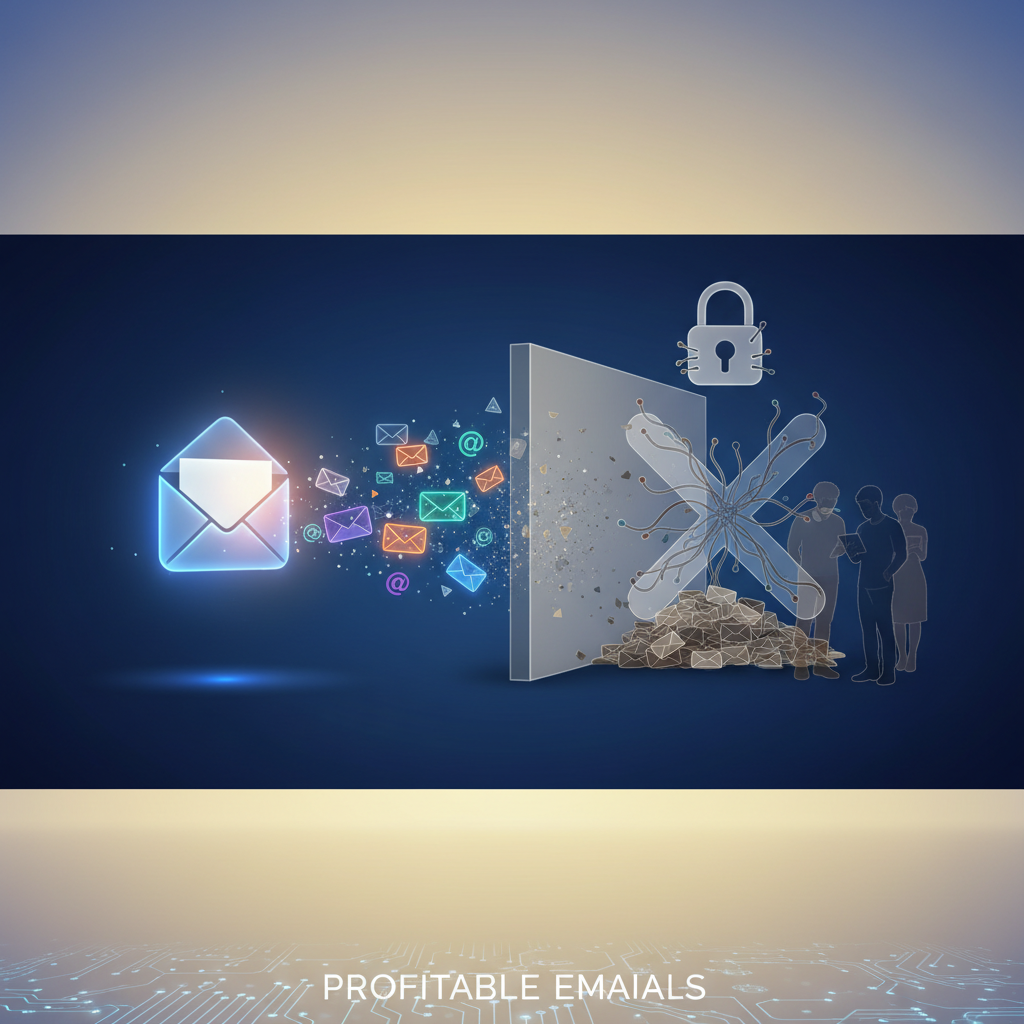
It's a common scenario: you craft what you believe to be the perfect email, hit send, and wait. Days pass, and the response is underwhelming at best. This is a struggle for many marketers, as understanding why some emails get ignored by readers is crucial for success. Many factors contribute to this phenomenon, from timing to content relevance, and knowing how to address these issues can significantly enhance your email marketing outcomes. In this post, we'll explore what makes emails resonate better with your audience and how you can ensure your messages are the ones that get noticed.
Understanding Why Some Emails Get Ignored by Readers
The core of email marketing success lies in understanding the psychology of your audience. Readers today are bombarded with emails, each vying for their attention. The key challenge is to stand out amidst the clutter. One of the primary reasons emails get ignored is due to lack of personalization. Consider this: you receive an email with a generic subject line and content that doesn't relate to your interests. It's likely to end up in the trash without a second thought. Personalization plays a critical role here, as it helps create a connection with the reader, making them feel valued and understood.
Take for example, a company targeting young professionals with fashion tips. An email that starts with a personalized greeting and includes curated fashion advice based on previous interactions is more likely to engage the reader. They see value in the content because it speaks directly to their preferences. This personal touch can make all the difference in ensuring your emails are opened and acted upon.
Crafting Personal Connections: Your First Strategy
Building a personal connection is not just about adding a first name in the subject line. It’s about knowing your audience and speaking directly to their needs and interests. Start by segmenting your email list based on different criteria such as demographics, past purchase behavior, or engagement level. This allows you to send targeted messages that resonate more with specific groups.
Next, focus on content customization. Use insights from past interactions to tailor your messages. For instance, if a segment of your audience frequently clicks on articles about digital marketing, offer them exclusive content or promotions related to that interest. This strategy not only increases the chances of your email being opened but also enhances the likelihood of conversion.
Moreover, consider integrating feedback mechanisms. Encourage your readers to share their opinions about the content they find most valuable. This engagement not only builds a stronger relationship but also provides you with valuable data to fine-tune future emails.
Enhancing Engagement Through Strategic Timing
Timing is everything in email marketing. Sending your emails at the right time can significantly impact open rates. Studies have shown that emails sent on weekdays generally perform better than those sent on weekends, with Tuesdays and Thursdays being particularly effective. However, your audience might be different. Conducting A/B testing can help determine the optimal send times specific to your subscribers.
In addition to timing, frequency matters. Bombarding your audience with too many emails can lead to fatigue, causing them to ignore your messages. Instead, focus on quality over quantity. Develop a schedule that aligns with your campaign goals and audience preferences. For example, a monthly newsletter filled with valuable insights might perform better than frequent promotional emails.
Consistency is key. Establish a regular cadence that your audience can anticipate. This builds familiarity and trust, ensuring that your emails are not only expected but welcomed. By optimizing both timing and frequency, you can increase the likelihood of your emails being opened and acted upon.
Common Mistakes: What NOT to Do in Email Marketing
Avoiding common pitfalls is essential in ensuring your emails are not ignored. One significant mistake is neglecting mobile optimization. With more than half of emails being opened on mobile devices, having a responsive design is crucial. Emails that don’t render well on phones are likely to be dismissed immediately.
Another error is failing to provide clear call-to-actions (CTAs). Your email should have a singular, clear purpose. Whether it’s to read a blog post, purchase a product, or sign up for a webinar, make sure your CTA is prominent and easily accessible.
Lastly, don’t underestimate the importance of subject lines. A bland or misleading subject line can diminish your open rates drastically. Craft subject lines that are engaging, concise, and relevant to the content of your email. This sets the right expectation and encourages readers to explore further.
Advanced Tips: Taking Your Email Marketing to the Next Level
Once you’ve mastered the basics, it’s time to scale your efforts. Start by leveraging automation tools. They can help streamline your email campaigns, allowing for more targeted and timely communication. Automation also aids in nurturing leads by sending pre-set series of emails based on user behavior, thus enhancing engagement.
Additionally, consider incorporating interactive elements in your emails. Polls, quizzes, and surveys can increase engagement by inviting readers to participate. These elements not only capture attention but also provide insights into your audience’s preferences.
Lastly, measure your success. Use analytics to track open rates, click-through rates, and conversion rates. These metrics provide a clear picture of what’s working and what needs adjustment. By continually refining your strategy based on data, you can optimize your email marketing efforts for maximum impact.
Related: You might also find this useful: Why Some Emails Get Ignored and Others Engage: Unlock Secrets
Why do some emails get ignored by readers?
Emails often get ignored due to lack of personalization, irrelevant content, or poor timing. Understanding your audience and tailoring messages to their interests can improve engagement.
How can I make my emails more engaging?
Personalize content based on audience segments, use compelling subject lines, and ensure mobile optimization. Include clear CTAs and valuable content to engage your readers effectively.
What is the best time to send emails?
While studies suggest weekdays, particularly Tuesdays and Thursdays, are effective, conducting A/B testing with your audience can reveal the best times tailored specifically for them.
How important is mobile optimization for emails?
Extremely important. With over half of emails opened on mobile devices, ensuring your emails are mobile-friendly can significantly impact how they're received and engaged with.