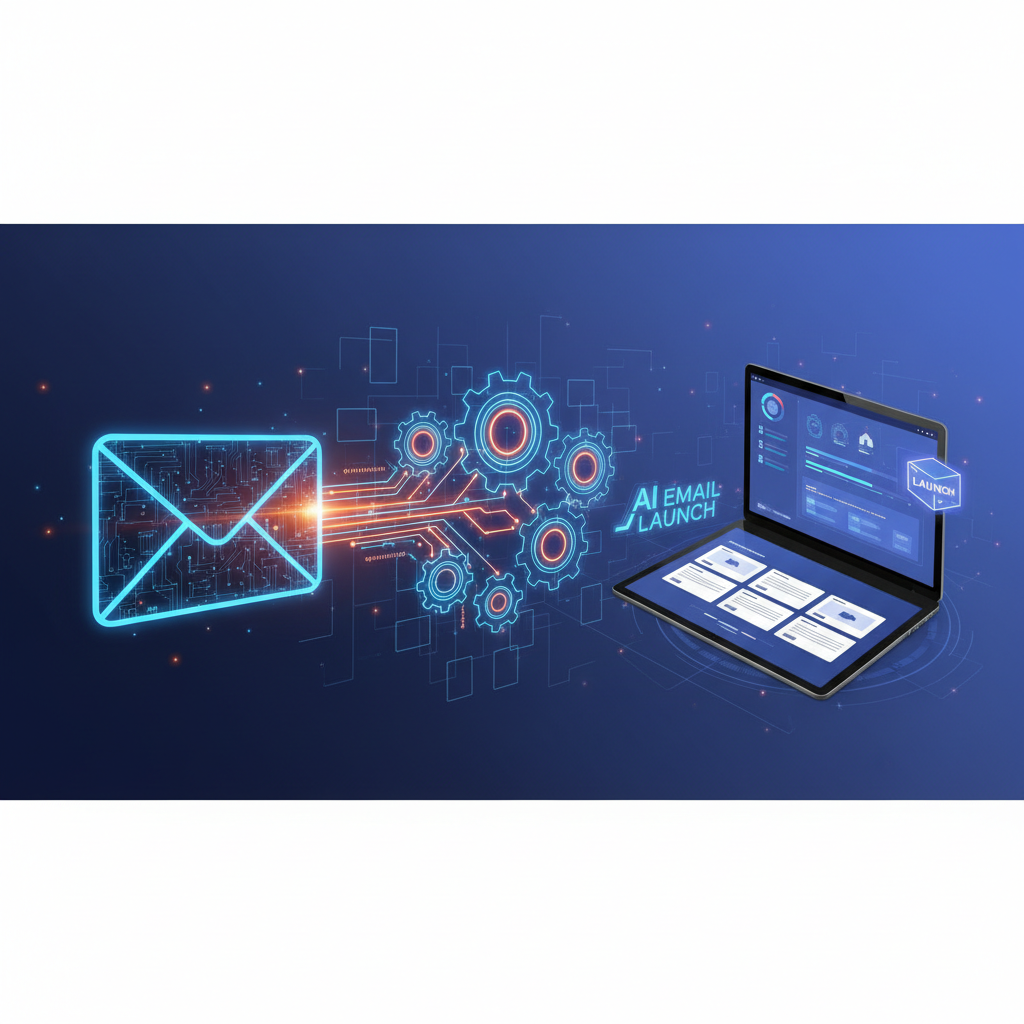
Launching a new product can be exhilarating but daunting, especially when it comes to crafting the perfect email sequence to engage your audience. Imagine spending countless hours brainstorming, drafting, and editing emails, only to wonder if they effectively convey your message. Learning how to automate email content for product launches not only saves valuable time but also ensures consistency and professionalism in your communications. This guide will delve into the strategies and tools that allow you to automate your email content effortlessly, enabling you to focus on what truly matters: delivering a stellar product.
Understanding the Importance of Email Automation in Product Launches
Email marketing remains a powerful tool for businesses, with its ability to reach customers directly in their inboxes. However, during a product launch, the stakes are higher, and every communication needs to be on point. Consistent and timely emails can make or break your launch. Automating these emails ensures that your message reaches your audience without delay, maintaining momentum and interest in your product. For instance, a company launching a new app might use automated emails to guide users through the app's features, ensuring they maximize the product's potential and remain engaged.
The importance of email automation is underscored by the fact that over 70% of marketers use email automation to nurture their audience and convert leads, according to a study by Emailmonday. This shows the high reliance and effectiveness of automated emails in marketing strategies. By automating your email sequences, you can create a cohesive narrative throughout your launch. This means more than just sending emails; it’s about creating an immersive experience that guides your customer from curiosity to purchase. For example, Tesla's product launches are enhanced by their strategic use of email marketing to build suspense and excitement. By automating their email sequence, they keep potential buyers engaged and informed, leading to successful product launches.
How to Automate Email Content for Product Launches Effectively
To start automating your email content, begin by mapping out the customer journey. Identify stages such as pre-launch teasers, launch announcements, and post-launch follow-ups. Tools like Mailchimp, ActiveCampaign, or ConvertKit can help you set up automated sequences tailored to these stages. For example, you might set up a sequence that sends a teaser email a week before launch, an announcement on launch day, and a follow-up with user tips a week post-launch. This approach not only keeps your communications organized but also ensures that each customer receives the right message at the right time.
Consider a well-known brand like Apple, which meticulously plans its product launch emails to perfection. They send out teasers months in advance, followed by specific launch details and post-launch support emails. By using sophisticated automation tools, they ensure that every email is perfectly timed and tailored to the customer’s journey through their ecosystem. To replicate this strategy, you need to start by defining your audience segments and creating customized content for each. For instance, new subscribers might receive introductory emails, while loyal customers are sent exclusive sneak peeks or early access invitations. A/B testing different email versions is also crucial to determine what resonates best with your audience, ensuring your content is always impactful and relevant.
Using AI to Enhance Email Personalization
Automation doesn't mean sacrificing personalization. In fact, AI can help you craft personalized content that resonates with your audience. By analyzing customer data, AI tools can suggest subject lines, adjust content tone, and even recommend sending times based on when your recipients are most active. Consider using software like Phrasee or Persado, which leverage AI to optimize email copy. This means that your automated emails can still feel personal and engaging, addressing individual preferences and behaviors. A well-personalized email can significantly boost open and click-through rates, ultimately driving more successful product launches.
AI-driven personalization can transform your email marketing strategy. According to a study by McKinsey, personalization can deliver five to eight times the return on investment and can lift sales by 10% or more. This is achieved by tailoring each email to individual customer’s behavior and preferences. For example, Amazon uses AI to personalize product recommendations in their emails, contributing to their high conversion rates. By adopting a similar approach, you can ensure that each email feels like a one-to-one conversation with the recipient, rather than a generic broadcast. AI tools can segment your audience based on browsing habits, past purchases, and even predicted behavior, allowing you to deliver content that's not just automated, but truly personalized.
Common Mistakes to Avoid in Email Automation
One common pitfall is the 'set and forget' mentality. While automation saves time, it requires regular monitoring to ensure that the emails are still relevant and effective. Another mistake is failing to test your emails before they go live. Always run A/B tests to determine what content resonates best with your audience. Additionally, avoid over-automating by sending too many emails, which can overwhelm recipients and lead to high unsubscribe rates. Instead, focus on quality over quantity, ensuring every email adds value to your audience.
Let’s consider a real-world scenario where a fashion retailer mistakenly floods their customers' inboxes with daily promotional emails. This results in a significant increase in unsubscribe rates and negative feedback. To avoid this, it's crucial to maintain a balanced frequency that keeps your audience engaged without feeling spammed. Also, ensure that the content is relevant to the recipient’s interests and purchasing history. For instance, an outdoor gear retailer should tailor their emails based on whether the recipient recently bought hiking boots or a tent, providing content that aligns with their specific interests. Regular performance reviews and customer feedback can help you fine-tune your strategy, maintaining a positive relationship with your audience.
Advanced Tips for Scaling Your Email Automation
As your business grows, so should your email automation strategies. Consider integrating your email marketing platform with your CRM to further personalize content based on customer interactions and purchase history. Use dynamic content blocks to tailor messages to different segments within your audience. Also, regularly update your email templates to reflect your brand's evolving style and tone. By continually refining your approach, you can enhance engagement and conversion rates, making each product launch smoother and more successful.
Scaling your email automation involves not just expanding your reach but enhancing the sophistication of your campaigns. For instance, a SaaS company might integrate their email platform with a CRM like Salesforce to track user behavior and tailor messages accordingly. This enables them to send targeted emails based on where a user is in the subscription lifecycle, from trial to renewal reminders. Similarly, using dynamic content blocks could allow an e-commerce store to showcase different products to different segments of their audience, based on past browsing data. As you scale, pay attention to maintaining a human touch in your communications, ensuring your growth doesn’t come at the cost of personal connection with your audience.
Related: You might also find this useful: How to Automate Email Generation for Product Launches
Related: You might also find this useful: How to Automate Email Series for Product Launches Effectively
What are the benefits of automating email content for product launches?
Automating email content saves time, ensures consistency, and provides a seamless experience to your audience. It allows you to focus on other critical launch activities while maintaining effective communication with minimal effort. For example, by automating your emails, you can schedule launch announcements and follow-ups in advance, freeing up time to address real-time customer queries or manage social media engagement during the launch.
How can I ensure my automated emails remain personal?
Use AI tools to analyze customer data and tailor your emails based on individual preferences. This can include personalized subject lines, content adjustments, and optimal sending times to enhance engagement. A personalized approach could involve referencing the recipient's name, past purchases, or browsing history within the email, making it feel tailored specifically to them.
What tools are recommended for email automation?
Popular tools include Mailchimp, ActiveCampaign, and ConvertKit, among others. These platforms offer robust automation features, allowing you to create effective email sequences tailored to your launch strategy. Each tool has unique features, such as Mailchimp's extensive template library or ActiveCampaign's advanced segmentation capabilities, making it crucial to choose one that aligns with your specific needs.
How often should I review my automated email sequences?
Regularly review your sequences every few months or after major product launches. This ensures your content remains relevant and effective, with opportunities to optimize based on performance data and customer feedback. Frequent reviews allow you to adapt to changes in customer behavior and ensure continued alignment with your marketing goals.