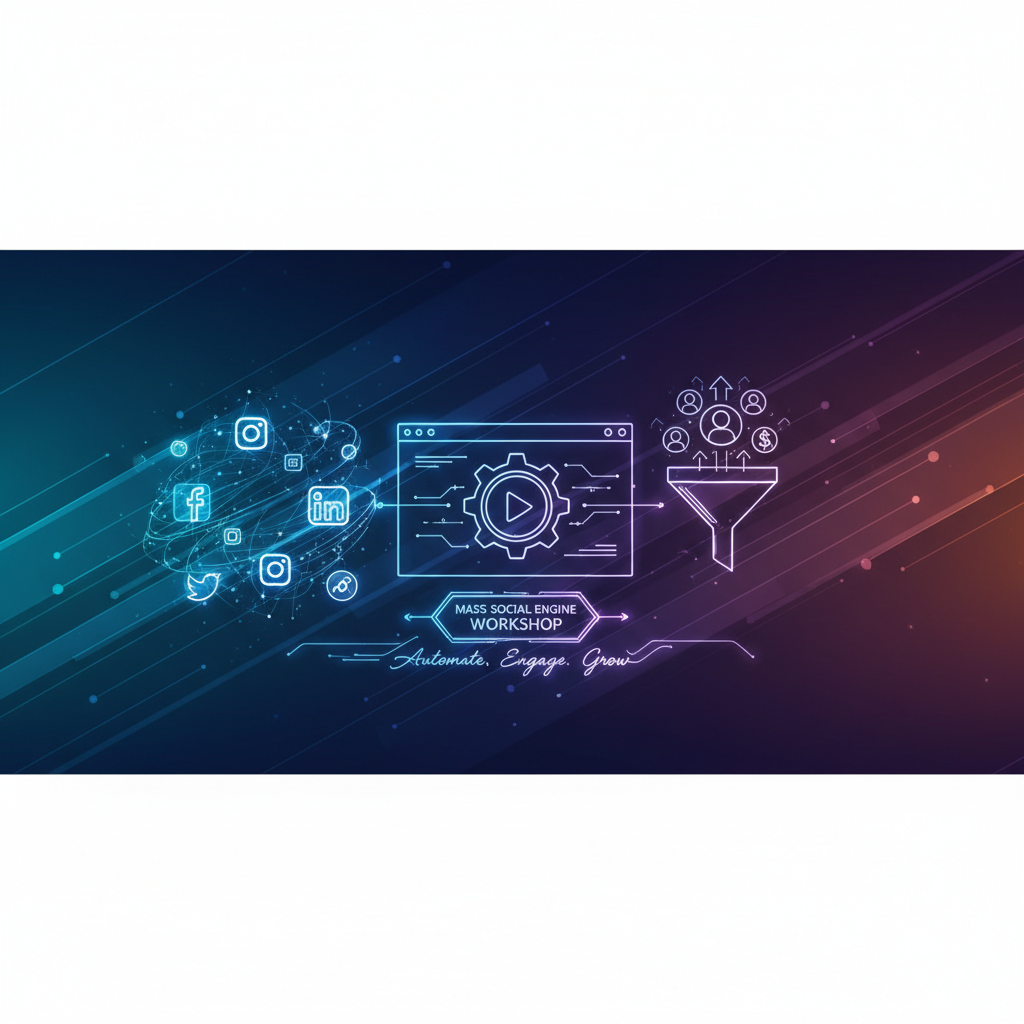
Imagine waking up each morning knowing that your social media posts are scheduled, your leads are being nurtured, and your marketing campaigns are running smoothly—all without lifting a finger. It's the dream of many marketers, yet a reality for only a few. The secret? Learning how to automate social media marketing and lead generation with one tool. This strategy not only simplifies your workflow but also maximizes your productivity, allowing you to focus on other critical areas of your business.
The Power of Social Media Automation
Social media automation is the unsung hero of modern marketing, yet its potential is often underestimated. By automating repetitive tasks like posting updates, managing interactions, and generating reports, businesses free up substantial time and resources. Imagine a small business owner juggling multiple platforms—Facebook, LinkedIn, Instagram—each demanding unique content and engagement strategies. Manual management is not only time-consuming but also prone to errors, which can affect your brand's consistency and engagement. Automation tools, like Hootsuite or Buffer, allow you to schedule posts, track performance, and engage with your audience across various platforms from a single dashboard. For instance, using these tools, you can pre-schedule an entire week's content in one sitting, ensuring your brand remains active and visible without daily intervention.
Moreover, these tools provide analytical insights that go beyond basic engagement metrics. They help you understand the best times to post, the content that resonates most with your audience, and the platforms that generate the highest ROI. By leveraging this data, you can refine your strategies continually, ensuring your efforts yield the best possible results. For small business owners or solo entrepreneurs, automation can be a game-changer, allowing them to compete with larger companies by maintaining a robust online presence with minimal effort.
Setting Up Your Automated Marketing Strategy
The first step to harnessing automation is developing a robust marketing strategy. Start by identifying your target audience and choosing the right platforms based on where your audience spends time. This involves deeply understanding your audience's demographics, interests, and online behavior. Once that's settled, create a content calendar that outlines what you'll post, when, and on which platform. Tools like Trello or Asana can help maintain this schedule effectively, ensuring that you stick to it while allowing flexibility to adapt to new trends or insights.
Next, automate your posts using a social media management tool. Set up recurring posts for timeless content to ensure regular audience engagement. For instance, evergreen content, like tips or guides, can be reshared periodically to keep your audience engaged while reaching new followers. Don't forget to automate your engagement strategy too—use chatbots to respond to frequent queries and direct more complex interactions to a human agent. This approach not only saves time but also ensures 24/7 engagement with your audience.
Additionally, incorporate automated email marketing campaigns as part of your strategy. Tools like Mailchimp or ActiveCampaign allow you to set up email sequences that nurture leads over time, delivering personalized content based on user behavior and interactions. This integration between social media and email marketing can significantly enhance your lead generation efforts, creating a more cohesive and effective marketing ecosystem.
Creating High-Converting Landing Pages
A landing page is a pivotal element in your lead generation strategy, designed explicitly to convert visitors into leads. Start with a compelling headline that captures attention and clearly states the value proposition. Use high-quality images and a simple yet appealing design to keep your audience focused on the call-to-action (CTA). For instance, integrating a sign-up form with an enticing offer—such as a free ebook or a webinar—can dramatically increase conversion rates.
Tools like Unbounce and Leadpages make it easy to create beautiful, effective landing pages without requiring a designer. They offer A/B testing features to help you refine your pages based on performance data, ensuring you continually optimize for better results. For example, by testing different headlines, images, or CTAs, you can determine what elements drive the highest conversion rates and adjust your strategy accordingly.
Additionally, consider integrating your landing pages with your CRM and email marketing tools. This ensures that once a lead signs up, they are automatically entered into your nurturing funnel, receiving personalized emails that guide them along the buyer's journey. By automating this process, you can efficiently manage and nurture a growing database of leads, turning them into loyal customers with minimal manual intervention.
Common Social Media Automation Mistakes to Avoid
While automation is powerful, it's not without pitfalls. One common mistake is over-automation—using bots to respond to every interaction can make your brand seem impersonal. Balance is key. It's essential to maintain a human touch, especially when dealing with complex queries or complaints. Additionally, avoid automating content that is time-sensitive or requires real-time interaction. Automation should not replace genuine engagement but rather enhance your ability to connect meaningfully with your audience.
Another mistake is neglecting analytics. Automation tools provide valuable insights into performance; ignoring these can lead to ineffective strategies. Regularly review and adjust your tactics based on data-driven insights. For example, if you notice a sudden drop in engagement after implementing an automated campaign, analyze the data to identify potential issues and adjust your approach accordingly.
Furthermore, personalization is crucial in today's marketing landscape. Over-reliance on automation can lead to generic, one-size-fits-all messages that fail to resonate with your audience. Always strive to tailor your automated messages to align with the preferences and behaviors of different segments within your audience, ensuring your communications are as relevant and impactful as possible.
Advanced Tips for Scaling Your Automated System
Once you have a basic automated system in place, consider scaling it for greater efficiency. Integrate your social media tools with your CRM to streamline lead management and nurture campaigns. For example, syncing with tools like Salesforce or HubSpot allows seamless data flow, enabling personalized marketing strategies. You should also explore AI-driven tools that offer predictive analytics to anticipate trends and customer behavior. This proactive approach allows you to tailor your marketing efforts in real-time, boosting engagement and conversion rates.
Additionally, leverage advanced machine learning algorithms to refine your targeting and messaging strategies. These technologies can analyze vast amounts of data to uncover patterns that inform your marketing decisions, enabling you to deliver highly personalized and effective campaigns. Finally, continuously educate yourself on emerging tools and technologies. The digital marketing landscape evolves rapidly; staying informed ensures your strategies remain competitive and effective. Attend webinars, read industry reports, and participate in online communities to stay ahead of the curve and adapt to new developments as they arise.
Moreover, consider expanding your automation efforts beyond social media. Explore automation opportunities in other areas of your business, such as customer support, sales, and operations. By creating a comprehensive automation strategy that integrates multiple facets of your business, you can achieve greater efficiency, reduce costs, and enhance overall performance.
What is the best tool to automate social media marketing?
There isn't a one-size-fits-all answer, as the best tool depends on your specific needs. However, popular tools like Hootsuite, Buffer, and Sprout Social are versatile and cater to various platform management needs. Consider your business size, budget, and specific features you require when selecting a tool.
Can automation affect my social media engagement negatively?
Automation can negatively affect engagement if overused. To avoid this, maintain a balance between automated posts and genuine interactions to keep your audience engaged and your brand personable. Regularly assess your engagement metrics and adjust your strategies to ensure your automated efforts complement rather than replace human interaction.
How can I ensure my automated emails are effective?
To ensure effectiveness, segment your email list and tailor content to each segment. Regularly test different strategies and analyze performance data to refine your approach for better engagement and conversion. Utilize dynamic content and personalization to make your emails more relevant to recipients, increasing the likelihood of positive responses.
What are some indicators that my automated system needs updating?
Indicators include declining engagement rates, lower conversion rates, or an increase in unsubscribes. Regularly review analytics and feedback to adjust and refresh your strategy effectively. Additionally, stay informed about the latest trends and technologies in marketing automation to ensure your system remains cutting-edge and effective.