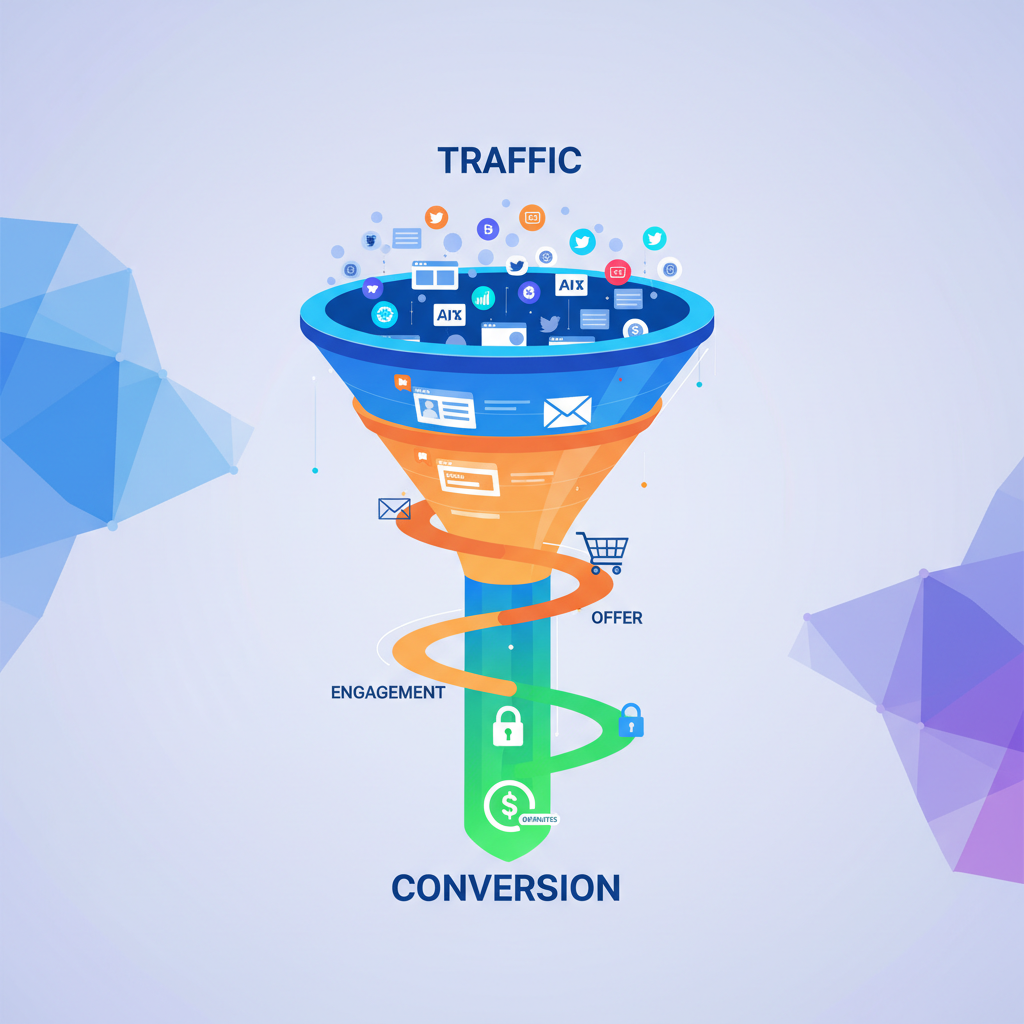
Ever felt overwhelmed by the notion of building a sales funnel, only to abandon the idea halfway through? You're not alone. Many entrepreneurs find themselves stuck at the starting line, unsure how to create a high-conversion funnel in 60 minutes. The good news is, with the right approach and tools, it's entirely possible to design a funnel that not only functions but also converts effectively and efficiently.
Understanding the Secret Behind High-Conversion Funnels
At its core, a high-conversion funnel is not just a series of web pages; it's a well-oiled machine that guides your prospects through their buying journey, turning interest into action. Imagine a scenario where a potential customer lands on your page, intrigued by the promise of solving their problem. They’re hesitant at first, but your funnel seamlessly leads them through each stage until they're fully convinced.
This matters because, in today’s digital landscape, attention spans are shorter than ever. A high-conversion funnel ensures that every second a user spends on your page is strategically utilized to persuade them to take the desired action. Think of it like a well-crafted YouTube video that keeps viewers engaged from start to finish—similar principles apply. For further insights on maintaining engagement, you might find editing YouTube Shorts for maximum engagement insightful.
Step-by-Step Strategy to Create a Funnel in 60 Minutes
Building a high-conversion funnel in just 60 minutes requires a clear strategy. Start by defining your end goal. Is it to gather emails? Make a sale? Once you know your objective, you can craft a targeted message that resonates with your audience.
The first step is designing a captivating landing page. Your heading needs to grab attention, much like a strong video hook that compels viewers to watch more. Next, develop a concise and compelling copy that speaks directly to your audience’s pain points and desires. Don't forget to include a strong call-to-action (CTA) that stands out and encourages immediate action.
After the landing page, guide your visitors to an enticing offer page. This could be a free trial, a discount, or an exclusive piece of content that adds value. Make sure your offer is clear, compelling, and time-sensitive to encourage quick decisions.
Lastly, optimize your thank-you page. Use this as an opportunity to upsell or cross-sell additional services or products. For example, if they signed up for a free webinar, you might offer an exclusive coaching session at a discounted rate.
Leverage Tools and Resources for Fast Funnel Creation
Time is of the essence, and utilizing the right tools can significantly speed up your funnel-building process. Platforms like ClickFunnels or Leadpages offer templates that can be customized quickly to fit your brand’s aesthetics and messaging. These tools come with built-in analytics to help you track conversions and optimize as needed.
Additionally, automation tools play a crucial role in streamlining the funnel process. For instance, integrating email autoresponders can help nurture leads automatically, ensuring they stay engaged with your brand even if they don’t convert immediately. For further automation strategies, check out our insights on automating customer service.
Remember, the more streamlined your funnel process, the higher the likelihood of conversions. A seamless experience is critical, much like ensuring your video content is well-optimized for better engagement.
Avoiding Common Funnel-Building Mistakes
Building a funnel in 60 minutes is impressive, but rushing can lead to common mistakes. One frequent pitfall is neglecting mobile optimization. With more people browsing on their phones, ensuring your funnel works seamlessly on all devices is non-negotiable.
Another mistake is overwhelming visitors with too much information. Keep your messaging clear and concise; focus on solving one core problem your audience faces. Remember, simplicity is key to keeping prospects engaged and moving through your funnel smoothly.
Additionally, not testing your funnel before going live is a major error. Always conduct a walkthrough to ensure everything from clicks to conversions works flawlessly. This practice is similar to reviewing a Facebook ad campaign before launch to ensure all elements align perfectly.
Advanced Tips for Scaling Your Funnel Success
Once your funnel is up and running, it’s time to think about scaling. Start by analyzing your funnel data to identify bottlenecks or drop-off points. Use A/B testing to experiment with different headlines, CTAs, and page layouts to see what resonates best with your audience.
Consider integrating chatbots to engage users instantly and answer their queries in real-time. These bots can guide visitors through your funnel, addressing concerns and pushing them towards conversion without needing human intervention.
Additionally, leveraging social proof can significantly boost your conversion rates. Display testimonials, reviews, and case studies prominently within your funnel. This not only builds trust with potential customers but also encourages them to take action.
For those looking to diversify their marketing channels, consider creating a cross-platform content strategy. Platforms like TikTok and YouTube offer unique opportunities to reach broader audiences and can be integrated into your funnel strategy. Explore how to do this effectively here.
What is a high-conversion funnel?
A high-conversion funnel is a strategic process designed to guide potential customers through different stages of buying, maximizing the likelihood of them completing a purchase or desired action. It involves optimizing each step to ensure users stay engaged and motivated.
How can I ensure my funnel is mobile-friendly?
To ensure your funnel is mobile-friendly, use responsive design techniques and test your funnel on various devices. Focus on fast loading times and ensure buttons and text are easily clickable on smaller screens. Simplifying navigation also enhances the mobile experience.
What role do analytics play in funnel success?
Analytics are crucial in understanding how users interact with your funnel. They provide insights into which steps users drop off, allowing you to make data-driven adjustments to improve conversion rates. Regularly monitor metrics like bounce rate, exit rate, and conversion paths.
How often should I update my funnel?
Regular updates are essential to reflect changes in market trends and consumer behavior. Conduct monthly reviews to identify what's working and what needs adjustment. A/B testing and user feedback can also guide changes to optimize performance continuously.