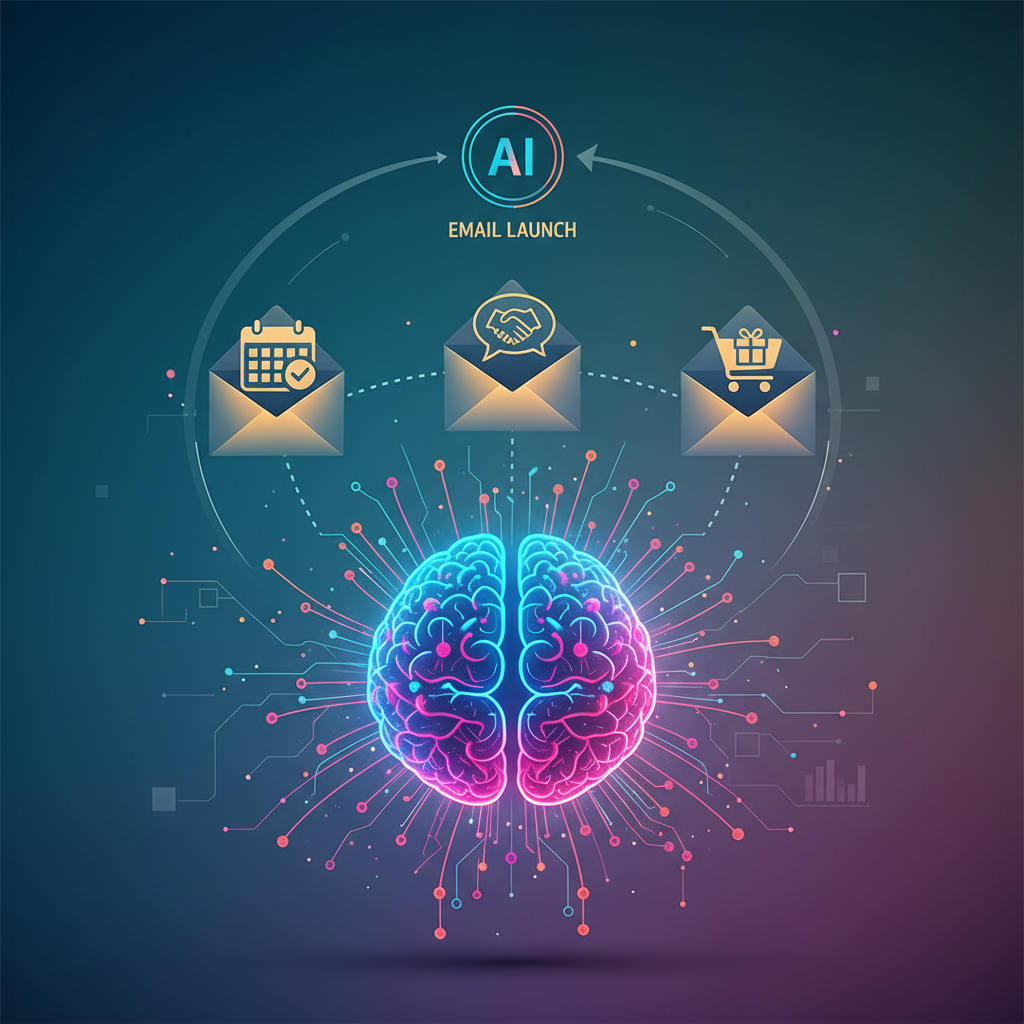
In today's fast-paced digital world, the ability to connect with your audience through personalized communication can set your marketing efforts apart. That's why learning how to create personalized automated email series effectively is not just a luxury; it’s a necessity. Imagine launching a product or a campaign and having all your communication mapped out, personalized, and automated. This isn't just a dream; it's entirely possible with the right framework and tools. Let's dive into how you can achieve this.
Understanding Personalized Automated Email Series
Personalized automated email series are crafted sequences of emails that are sent automatically based on user interactions or pre-set triggers. The core idea is to provide content that feels tailor-made for each recipient, enhancing engagement and conversion rates. For example, consider an online retailer who uses a welcome email series to onboard new customers. Instead of sending generic welcome messages, they use customer data to tailor product recommendations and relevant content, which significantly boosts open rates and sales.
This approach matters because personalized emails perform significantly better than generic ones. According to a report by Statista, personalized emails deliver six times higher transaction rates. The key lies in automation that frees up your time while maintaining the personal touch that builds customer trust and loyalty. In fact, research by Campaign Monitor shows that emails with personalized subject lines are 26% more likely to be opened. This illustrates the importance of personalization in capturing your audience's attention from the get-go.
Additionally, the use of automated email series allows businesses to nurture leads through a systematic process. By guiding potential customers through a well-defined journey, you increase the likelihood of converting them into paying customers. For instance, a SaaS company might implement a trial-to-paid conversion series that educates users on features and benefits, addressing common pain points and queries. This strategic touchpoint ensures users feel supported and informed, ultimately increasing the chance of conversion.
Steps to Create a Personalized Automated Email Series
Creating a personalized automated email series involves several strategic steps. First, start by identifying key customer journeys. For instance, map out scenarios such as post-purchase follow-ups or abandoned cart reminders. Each journey should have its own unique email flow, tailored to the specific needs and behaviors of your audience. Think of each email series as a story arc that guides your customers towards a desired outcome.
Next, gather data that allows you to personalize. This could include purchase history, browsing behavior, or demographic information. Utilize email marketing platforms like Mailchimp or ActiveCampaign, which offer segmentation and automation features. These tools empower you to create highly specific audience segments, enabling you to deliver relevant content that resonates with individual preferences. For example, if a customer frequently browses your electronics category, your emails could highlight related products or offer exclusive promotions.
Once your data is in place, draft emails that speak directly to your audience's needs and preferences. Use dynamic content blocks to insert personalized information such as the recipient’s name or recommended products. This personalization should extend beyond basic details; consider incorporating location-based offers or reminders of past purchases. Testing your emails for effectiveness before going live is crucial. Use A/B testing to experiment with different subject lines, headlines, and content layouts to determine what resonates best with your audience.
Moreover, setting up an automated email series requires a balance of creativity and analytics. Create compelling copy that aligns with your brand's voice while keeping an eye on performance metrics. Monitor open rates, click-through rates, and conversion rates to gain insights into what works and where improvements can be made. By following these steps, you ensure your email series is not only automated but also resonates personally with each recipient.
Utilizing Tools and Technology for Effective Email Automation
Leveraging the right tools is essential for executing personalized automated email series effectively. Platforms like HubSpot and Klaviyo provide robust automation features combined with detailed analytics to refine your strategies. For instance, HubSpot allows you to create complex workflows that automatically trigger emails based on user behavior, while Klaviyo excels in e-commerce integrations, providing insights into customer purchasing habits.
Additionally, consider integrating AI tools that enhance personalization. AI can analyze customer data to predict behavior and tailor message timing and content accordingly. This not only increases the relevance of your emails but also improves click-through and conversion rates. For example, an AI-powered recommendation engine might suggest complementary products based on a user’s purchase history, enticing them with personalized offers.
Furthermore, automation platforms often offer integration capabilities with other marketing tools like CRM systems and social media platforms. This ensures a seamless flow of data and allows you to maintain a consistent brand experience across all touchpoints. Imagine a scenario where a customer interacts with your social media ad and then receives a follow-up email tailored to their interests. Such cohesive experiences can strengthen brand loyalty and increase customer retention.
By harnessing these technologies, you can transform your email marketing into a powerhouse of personalized communication. The key is to continuously adapt and evolve your approach based on insights gained from analytics. Regularly reviewing performance data allows you to identify trends and optimize your strategies for even greater impact.
Common Pitfalls to Avoid in Email Automation
Despite the benefits, there are common pitfalls in email automation that can derail your efforts. One major mistake is over-automation. While automation saves time, losing the human touch can lead to disengagement. Ensure your emails maintain a conversational tone and include elements that reflect your brand’s unique voice. Think about crafting messages that feel like a conversation, not just a transaction.
Another common error is neglecting to update and test your content. Stale or irrelevant content can turn subscribers away. Regularly review and refresh your email series based on feedback and analytics. Utilize feedback loops to gather customer insights and adapt your content strategy accordingly. For example, if you notice a drop in engagement rates, consider revisiting your content's relevance and appeal.
Finally, avoid the one-size-fits-all trap. Tailoring emails to different audience segments is crucial. Not all customers will respond to the same message, so adapt your content accordingly. A fashion retailer might send style recommendations based on past purchases, while a tech company could offer software tips tailored to a user's specific needs. By respecting these nuances, you build stronger connections with your audience.
In summary, email automation is a powerful tool that, when used strategically, can greatly enhance your marketing efforts. However, it requires ongoing attention and refinement to ensure it delivers the desired results. Avoiding these common pitfalls will help you create email series that are both effective and engaging.
Advanced Tips for Scaling Your Automated Email Series
Once you’ve mastered the basics, scaling your automated email series can maximize your marketing impact. First, consider expanding the number of touchpoints. If your current series only covers initial customer interactions, extend it to include post-purchase engagement or re-engagement campaigns for inactive subscribers. This expansion can help nurture customer relationships and encourage repeat business.
Furthermore, analyze and utilize A/B testing to fine-tune subject lines, call-to-action buttons, and email content. This data-driven approach allows you to iteratively improve your emails. For example, testing different variations of a subject line can reveal what language captures your audience's attention and encourages them to engage with the content.
Additionally, integrate your email automation with broader marketing efforts like social media campaigns or content marketing. This holistic approach can help reinforce your messaging across multiple channels and increase overall effectiveness. Consider a scenario where a blog post on your website is linked to a specific email series. Subscribers who engage with the blog post might receive follow-up emails that dive deeper into related topics, fostering a more comprehensive understanding and interest.
As your email strategy evolves, stay informed about emerging trends and technologies in the email marketing space. Innovations such as interactive emails or personalized video content may offer new ways to engage with your audience. By staying ahead of the curve, you ensure that your email marketing remains dynamic and relevant.
What is a personalized automated email series?
A personalized automated email series is a sequence of emails tailored to individual recipients, sent automatically based on triggers like user behavior. It personalizes content to enhance engagement and conversions.
How do I personalize emails effectively?
To personalize emails effectively, gather customer data such as purchase history and browsing behavior. Use this data to tailor content and recommendations. Employ dynamic content blocks to insert personalized details like names or products.
What tools are best for email automation?
Tools like HubSpot, Klaviyo, Mailchimp, and ActiveCampaign are excellent for email automation. They offer features like workflow automation, segmentation, and analytics to refine and personalize your email marketing efforts.
How can I avoid common email automation mistakes?
Avoid over-automation by maintaining a personal tone in your emails. Regularly update and test your content for relevance. Tailor messages to different audience segments to ensure they're engaging and effective.