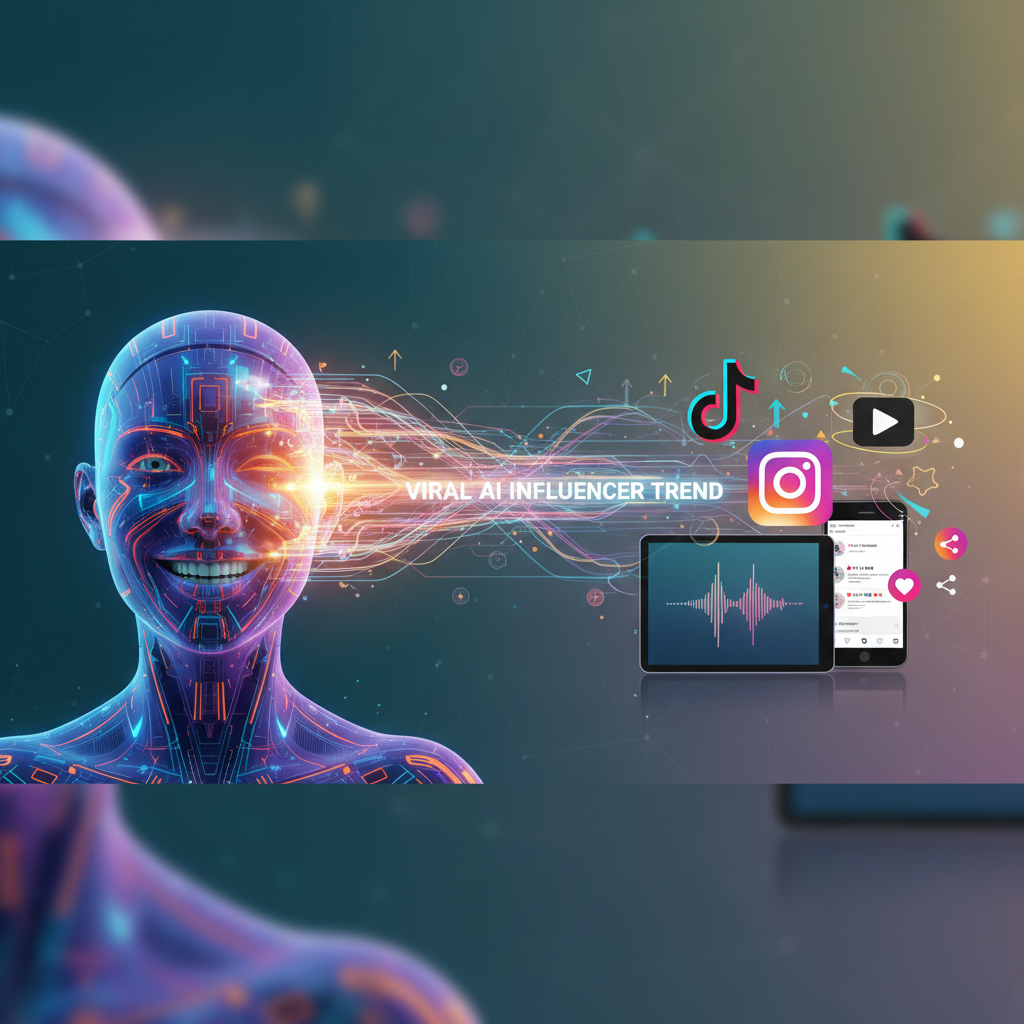
Have you ever scrolled through TikTok or Instagram, marvelling at the viral content that seems to pop up every day? What if I told you that you could create viral AI influencer content for TikTok and Instagram without needing to be an editing expert or social media guru? That's right, with the right tools and strategies, you can tap into one of the easiest viral content opportunities online right now. This guide will show you how to harness AI technology to produce engaging and shareable videos that can capture the audience's attention on these bustling platforms.
Understanding AI Influencer Content: The Core Concept
AI influencer content is a growing trend where artificial intelligence is used to generate videos that mimic popular influencer styles. The rise of AI technology provides creators, marketers, and business owners a seamless way to produce high-quality, engaging content without the hassle of traditional video production. This approach not only saves time but also allows for creativity without boundaries. Imagine having a virtual influencer who can dance, sing, or act according to the latest trends without needing a physical person. For instance, AI influencers like Lil Miquela have already amassed millions of followers, showing the immense potential of this niche.
What sets AI influencer content apart is its scalability and personalization. With AI, you can create content that feels personal and relatable to each viewer, leveraging machine learning algorithms to tailor content to specific demographics. This isn't just about convenience—it's about creating a connection. AI makes it feasible to personalize messages at scale, something human influencers struggle to achieve without a massive team or budget. The potential for engagement is enormous, as personalized content often receives higher engagement rates. For example, a study by Epsilon found that personalized content can increase engagement by up to 20%.
Getting Started: Step-by-Step Strategy
To start creating viral AI influencer content for TikTok and Instagram, you first need to choose the right tools. Platforms such as Synthesia and Rephrase.ai allow users to generate videos with AI-driven characters. These tools offer a range of features from realistic avatars to customization options for voice and appearance.
Begin by identifying your niche and the type of content that resonates with your audience. Are you targeting teens who love dance challenges or young professionals interested in lifestyle tips? Understanding your audience is crucial. Next, create a storyboard outlining your video's flow. A storyboard serves as a blueprint, guiding the visual and narrative elements of your content to ensure coherence and appeal.
Once your script is ready, use these platforms to select your AI influencer's appearance and voice. Adjust facial expressions and gestures to match the tone of your content. This customization is key to making your content feel authentic and engaging. Publish your video and leverage TikTok and Instagram's algorithm by posting at optimal times and using trending hashtags. Consider integrating your content with other marketing strategies, like mastering vibe coding, to maintain consistency and engagement here.
Advanced Techniques and Tools for Viral Success
Diving deeper into AI-created content, you need to understand the nuances of each platform's algorithm. TikTok, for example, favors content that garners quick engagement, while Instagram rewards consistency and aesthetic appeal. Use analytics tools such as VidIQ or TubeBuddy to track your video performance and optimize accordingly.
Additionally, use these insights to tweak your future content and strategy. For instance, if a particular video format garners more views, replicate that success in future posts. The platforms’ algorithms value content that is not only high-quality but also fits the mold of what’s currently trending. Regularly reviewing trends and popular content types can inform your strategy.
Consider exploring how to automate YouTube video optimization process to extend your reach. Continuously adapt your strategy based on real-time data to stay ahead of the trends. For example, A/B testing different content formats or posting times can provide insights into what works best for your audience.
Avoid These Common Mistakes and Myths
When creating AI influencer content, it's crucial to avoid common pitfalls like over-reliance on technology without understanding your audience's preferences. Some assume that any AI-generated content will go viral, but understanding your audience's needs and preferences is key. Content still needs to resonate on a human level; AI is a tool, not a magic wand.
Another myth is that AI influencers will replace human influencers. However, they are more of a complementary tool than a replacement. AI influencers offer unique opportunities for innovation and creativity but lack the genuine human connection that traditional influencers provide. It's about finding the right balance and leveraging AI to enhance, not replace, the human touch.
It's also important to maintain ethical transparency; audiences appreciate honesty about whether content is AI-generated. Misleading your followers can damage trust and credibility. Transparency builds trust, and consumers are more likely to engage with brands that are honest about their use of technology.
Scaling Your Efforts: Advanced Tips
Once you've mastered the basics, it's time to scale your content creation efforts. Experiment with different types of content formats and diversify your AI influencer personas. This can broaden your appeal across various audience segments. Create personas that reflect different aspects of your brand or message, catering to diverse viewer interests.
Additionally, collaborate with other creators or brands to expand your reach. Collaborations can introduce your content to new audiences and enrich your brand’s narrative through shared storytelling. Utilizing social media management tools like Buffer or Hootsuite can streamline your posting schedule across multiple platforms, ensuring consistent content delivery.
To further boost sales and engagement, consider integrating tools like upsells in your strategy, which you can learn more about here. Scaling isn’t just about increasing output—it’s about refining your approach to maximize impact and efficiency. Explore advanced techniques like machine learning analytics to predict trends and adjust your content strategy proactively.
Related: You might also find this useful: How to Create Viral AI Influencer Videos for Instagram
Related: You might also find this useful: Learn How to Create Viral AI Influencer Content Fast
Related: You might also find this useful: How to Use AI for Viral Influencer Video Content
Can AI influencers be used on other platforms besides TikTok and Instagram?
Yes, AI influencers can be adapted for various platforms, including YouTube and Facebook. Each platform has unique features, so it's essential to tailor your content to the specific audience and algorithm of the platform you choose. For example, YouTube may require longer-form content, while Facebook might benefit from more interactive posts.
How long does it take to create an AI influencer video?
Creating an AI influencer video can take anywhere from a few hours to a day, depending on the complexity of the video and your familiarity with the tools. As you become more experienced, you'll find the process becomes quicker and more intuitive. Streamlining your workflow by creating templates for common video types can also save significant time.
Is there a cost associated with AI influencer tools?
Most AI influencer tools offer a range of pricing plans, from free trials to subscription-based models. It's important to evaluate your budget and needs when selecting a tool. Some platforms offer valuable features at a premium price, and it's wise to weigh the cost against potential ROI from enhanced engagement or reach.
Do I need technical skills to use AI influencer tools?
While some technical understanding can be helpful, many AI influencer tools are designed to be user-friendly with intuitive interfaces. Tutorials and support are often available to assist beginners in navigating the platforms effectively. Embracing these resources can accelerate your learning curve, allowing you to focus on creative content production.