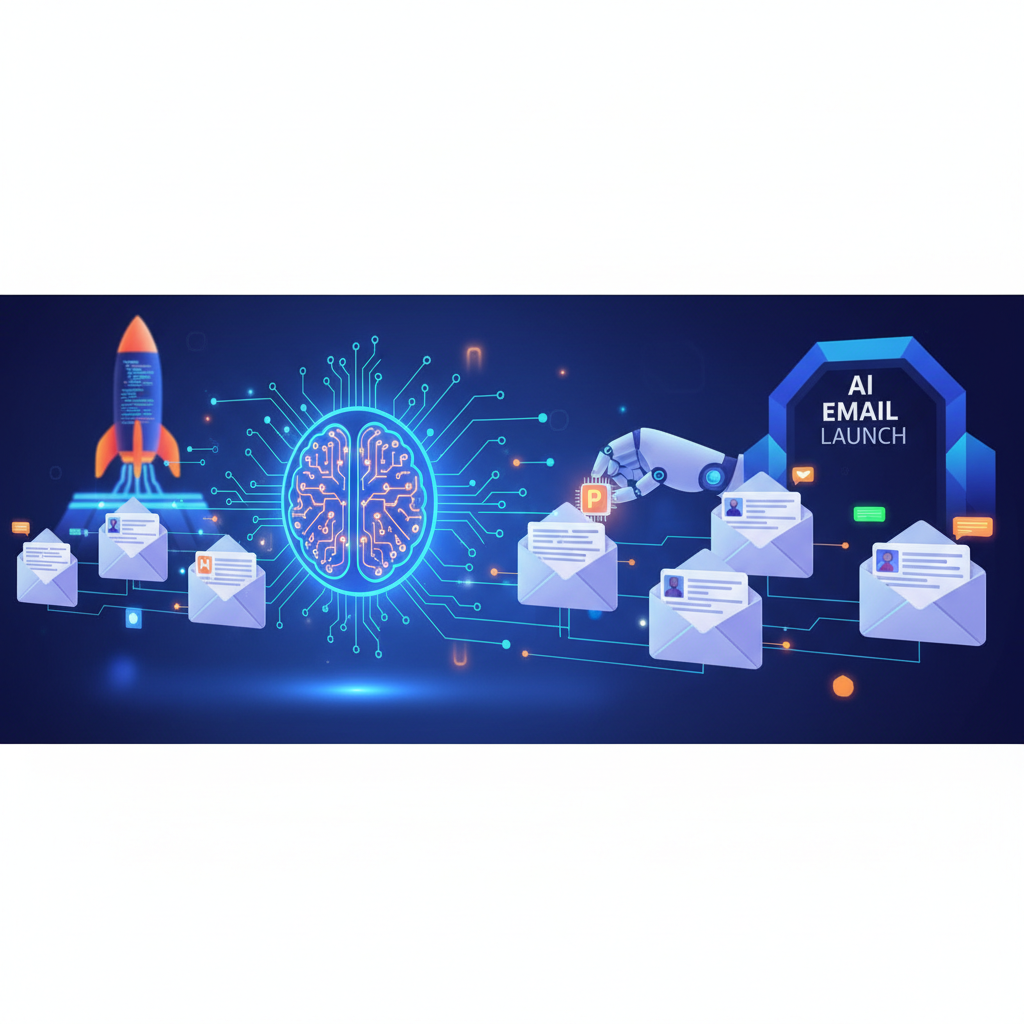
In today's fast-paced digital world, personalization has become the backbone of effective communication. With the rise of artificial intelligence, businesses and marketers are equipped to generate email content swiftly. However, the real challenge lies in learning how to personalize AI-generated email content effectively. If you're relying solely on a generic approach, you're missing out on meaningful engagement opportunities. The key is to make those automated emails feel as if they were crafted with your audience in mind, ensuring a genuine connection with your readers.
Understanding AI-Generated Email Personalization
AI-generated email personalization isn't just about adding a name at the top of an email. It's about creating a tailored experience for each recipient. This level of personalization taps into the psychology of communication, where relevance and resonance are pivotal. Numerous studies highlight how personalized emails drive higher open rates and conversions. According to a report by Statista, personalized emails can increase transaction rates by six times. For instance, imagine a fashion retailer sending a generic promotion to all its subscribers; the outcome might be lukewarm. Nonetheless, if those emails are personalized based on previous shopping behaviors, engagement skyrockets. Picture a scenario where a subscriber who frequently buys denim receives an email showcasing the latest denim collection, curated just for them. This is why understanding AI's role in this process is crucial. AI can analyze vast amounts of data, from browsing history to purchase patterns, predicting recipient preferences, enabling you to craft emails that resonate on a personal level. By leveraging AI's capabilities, you can transform ordinary communications into powerful engagement tools.
How to Set Up AI Systems for Personalization
The first actionable step is setting up an AI system tailored to your needs. Start by identifying the platforms and tools that integrate seamlessly with your existing email infrastructure. Many tools now come equipped with machine learning algorithms that sift through user data, providing insights previously unimaginable. Start by segmenting your audience based on behavior, past purchases, and interactions. For example, when launching a new product, create segments of those who previously showed interest in related items. This could look like grouping users who have shown interest in athletic wear when you're about to launch a new sports line. Utilize AI to draft emails that address these interests directly. This approach not only saves time but also ensures every message feels personal. For businesses new to this, leveraging resources such as instructional videos or comprehensive guides like How to Build a Funnel for Beginners in an Hour can simplify the integration process, helping you understand how AI can be seamlessly woven into your marketing strategy.
Refining Your AI Email Strategy with Tools
Delving deeper into tools that enhance AI email strategies is essential. Platforms like Mailchimp, HubSpot, and newer players like Klaviyo offer AI-driven features that refine your email campaigns. These tools analyze metrics such as open rates, click-through rates, and even the optimal send times, providing insights into which content resonates with your audience. For instance, if a particular style of subject line consistently outperforms others, your AI system can adapt and suggest similar styles for future campaigns. This continual learning process ensures your emails remain relevant and engaging. The advantage of these tools is their ability to create predictive models that anticipate user behavior, allowing you to be one step ahead. Moreover, by linking your AI system with other platforms, such as your CRM or analytics software, you can create a more cohesive marketing strategy. Consider reading Quick Start Automation for Small Businesses: Boost Efficiency for insights into enhancing business processes with AI, ensuring that all aspects of your business are working in harmony.
Common Mistakes in AI-Generated Personalization
Despite the advantages, there are pitfalls to avoid when personalizing AI-generated emails. One common mistake is over-relying on AI and neglecting the human touch. Emails need to maintain a sense of authenticity and empathy to avoid feeling mechanical, which can alienate your audience. Another frequent error is failing to update datasets regularly. Outdated information can lead to irrelevant recommendations, diminishing trust. For example, sending winter clothing promotions to someone in a tropical region due to outdated location data can frustrate rather than engage. Additionally, many marketers make the error of not testing their strategies. A/B testing should be a staple in refining your email tactics. It allows you to experiment with different variables, such as subject lines or send times, to determine what truly resonates with your audience. By understanding these missteps, you can ensure your AI-driven campaigns remain effective and engaging, continually learning and adapting to suit the needs and preferences of your audience.
Advanced Tips for Scaling AI Email Personalization
Once you've established a successful AI personalization strategy, it's time to scale. Begin by expanding your data sources. Incorporate data from social media interactions, customer service feedback, and even third-party data providers to create a 360-degree view of your audience. This holistic approach allows for more nuanced personalization, accounting for evolving preferences and habits. Consider employing AI to predict future trends and preferences, ensuring your emails stay ahead of the curve. An example could be analyzing social media trends to anticipate shifts in consumer interest, allowing you to tailor your content proactively. Furthermore, integrating AI-driven insights into other channels, such as SMS marketing or in-app notifications, can amplify your efforts, offering a seamless experience across your marketing ecosystem. For a comprehensive guide on optimizing digital channels and ensuring your content is both engaging and effective, check out Boost YouTube Engagement Using TikTok Content: A Complete Guide. This resource can provide valuable insights into using cross-channel data to enhance your overall strategy.
How does AI improve email personalization?
AI enhances email personalization by analyzing vast datasets to identify user preferences and behaviors. It enables marketers to craft tailored messages that resonate deeply with recipients, boosting engagement and conversions. By constantly learning and adapting, AI ensures that communications are not only relevant but also timely, which is crucial in maintaining recipient interest and loyalty.
What tools are best for AI-driven email campaigns?
Platforms like Mailchimp, HubSpot, and Salesforce offer robust AI-driven features for email campaigns. These tools provide insights into audience behavior, allowing for refined and personalized messaging. They also offer automation features that can streamline campaign management, ensuring that you can focus on strategy rather than manual processes. Selecting the right tool often depends on your specific needs and existing infrastructure.
How often should datasets be updated for AI email systems?
Regular updates are crucial for the effectiveness of AI email systems. Ideally, data should be refreshed bi-weekly to ensure recommendations remain relevant and accurate, maintaining trust with your audience. This frequent updating allows for quick adaptation to any changes in user preferences or market trends, ensuring your communications remain impactful.
Can AI completely automate email personalization?
While AI significantly enhances personalization, a human touch is still essential. Combining AI's data-driven insights with creative human inputs ensures emails remain engaging and genuine. While AI handles the heavy lifting of data analysis and trend prediction, humans bring creativity and emotional intelligence to the table, crafting messages that are not only personalized but also relatable and memorable.