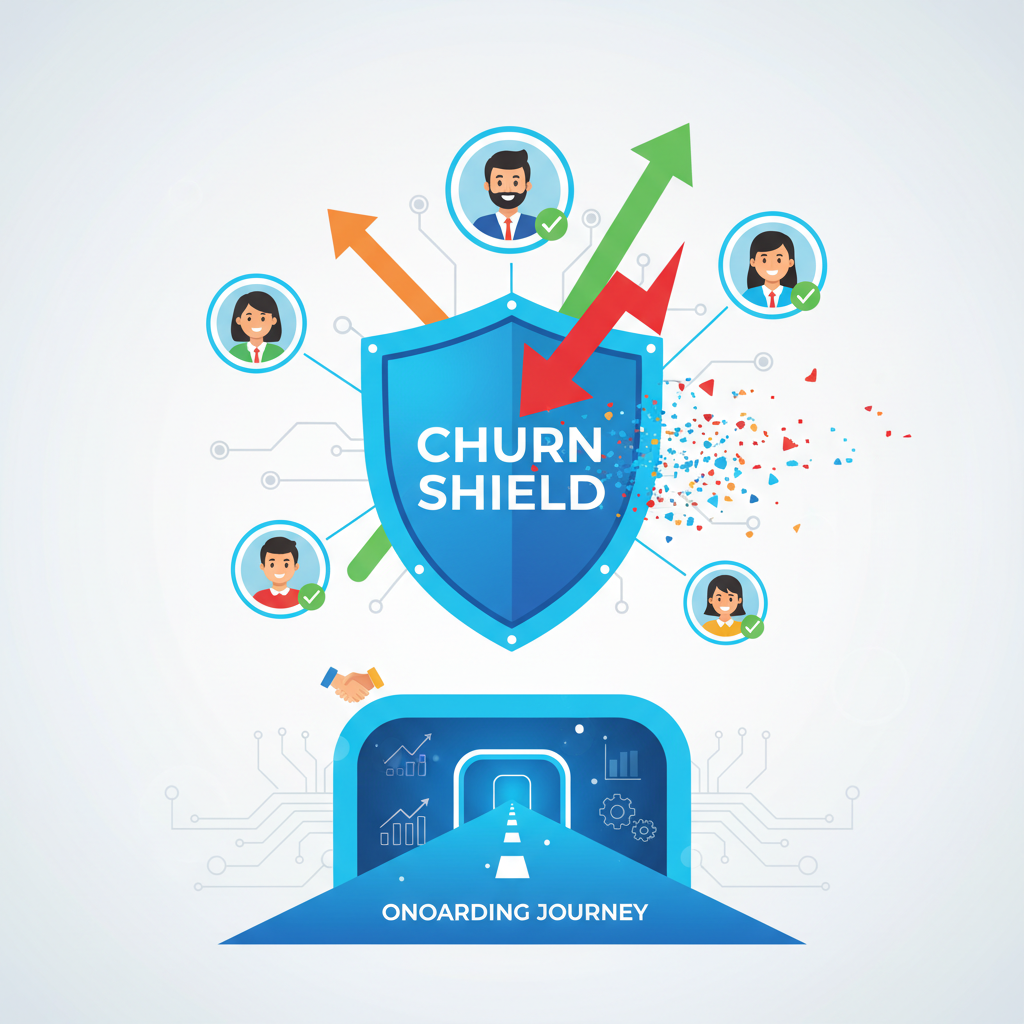
High churn rates in SaaS companies are a silent profit killer. You've spent months developing a solution, invested heavily in marketing, and attracted new users. Yet, a significant portion of them vanish after just a short trial. If you're grappling with how to reduce SaaS churn rates effectively, you're not alone. It's a common challenge for many SaaS founders who need their sign-ups to stick around as loyal customers. This isn't just about retaining users; it's about ensuring your business's long-term success and stability.
Understanding SaaS Churn Rates and Their Impact
Churn rate is the percentage of customers who stop using your product over a given period. In the SaaS industry, a high churn rate can be devastating. Think about it: acquiring a new customer can cost five times more than retaining an existing one. Moreover, reducing churn by just 5% can increase profits by 25% to 95%. For instance, let's consider a SaaS company that offers project management tools. They noticed that users often left after a month because they found the tool complicated. By revamping their onboarding process with step-by-step tutorials, they reduced their churn rate from 50% to under 20%.
The economic impact of churn is not just theoretical. A study by Bain & Company emphasizes that a mere 5% increase in customer retention can translate into profit increases ranging from 25% to 95%. This isn't just about numbers; it's about strategic stability and operational efficiency. Consider another example: a SaaS company providing CRM solutions discovered that their churn rate was elevated because users were unaware of newly released features. Upon launching a more informative onboarding process that introduced these features clearly, they saw a marked decrease in churn and an increase in user engagement.
Building Effective Onboarding Strategies
An effective onboarding strategy is your first line of defense against churn. It ensures that customers understand the value of your product quickly and thoroughly. Start by identifying the key actions that a customer should take within the first 30 days to fully experience your product’s benefits. Provide clear, guided paths for these actions. For instance, interactive walkthroughs can be incredibly effective. Tools like UserGuiding allow you to create these guided tours without requiring technical skills. Tailor the onboarding experience to different user segments; beginners need different guidance than advanced users. Remember, the goal is to help users see results quickly.
Delve deeper into your onboarding tactics by incorporating data-driven insights. Analyzing user behavior during the onboarding phase can provide invaluable insights. Are certain features being neglected? Is there a specific point where users drop off? Use tools like Google Analytics or Hotjar to map user journeys and optimize accordingly. Additionally, segment your users based on their needs and experiences. A power user may require a different onboarding journey compared to a beginner. Customize your process for these personas to ensure each user sees the specific value they seek. This personalization fosters immediate connection and satisfaction.
Leveraging Customer Engagement to Reduce Churn
Once you've laid down an onboarding process, the next step is to ensure customers remain engaged. Engagement is a powerful antidote to churn. Create high-impact content, like tutorial videos, to keep your users active. According to our guide on engaging viewers through video content, effective videos can significantly enhance user comprehension and product value perception. Consider using platforms like Loom for quick video tutorials that explain key features and benefits. Consistently communicating value helps reinforce why customers chose your product in the first place.
Beyond content, foster a community around your product. Social platforms and forums can serve as an excellent space for users to share experiences, tips, and solutions. This peer-to-peer interaction not only enhances user learning but also builds a network of loyal advocates for your brand. Implement regular feedback loops with your community. Surveys, polls, and direct communication channels help you stay abreast of user needs and ensure your product evolves wisely. Moreover, leverage email marketing to sustain engagement. Personalized nurturing sequences can remind users of upcoming features, tips, and community events, keeping your brand top-of-mind.
Common Mistakes When Trying to Reduce Churn
Many SaaS companies fall into the trap of over-complicating their onboarding processes. Bombarding new users with too much information at once can be overwhelming. Instead, focus on a phased approach where you introduce features incrementally. Another common mistake is failing to gather feedback. Customer insights are invaluable. Regularly collect user feedback to identify pain points in your onboarding process. Avoid the pitfall of relying solely on automated support; human interaction can greatly enhance the user experience. For more on balancing automation with personal touch, check out our guide to automated support systems.
Avoid the mistake of ignoring the emotional journey of your users. Onboarding isn’t just a procedural affair; it’s an emotional journey where first impressions matter. If users feel overwhelmed or neglected initially, they may form a negative perception of your product. Design your onboarding with empathy. Use storytelling and relatable scenarios in your interactions to create a connection with users. Additionally, do not underestimate the power of data. Without tracking key onboarding metrics, you are essentially flying blind. Monitor metrics like Time to Value (TTV) and conversion rates to gauge effectiveness and adjust strategies promptly.
Advanced Tips for Reducing Churn and Scaling Growth
Once you've established a solid onboarding and engagement process, it's time to scale. Personalization is a powerful tool. Use data analytics to understand user behavior and tailor experiences that meet individual needs. Implement retention workflows that proactively keep customers engaged, such as personalized email sequences. Additionally, consider offering exclusive content or discounts to long-term users. Scaling also means learning from others. Study successful SaaS models and adapt best practices. Continuous optimization is key; the market changes, and your strategies should too.
The future of churn reduction lies in predictive analytics. By harnessing machine learning algorithms, you can predict which customers are likely to churn and intervene proactively. Tools like Salesforce Einstein Analytics provide predictive insights to improve retention strategies. Moreover, focus on building strategic alliances. Partner with complementary SaaS products to increase your value proposition, offering users a more comprehensive solution suite. Finally, remember to celebrate milestones with your customers. Recognize long-term partnerships with loyalty rewards or special features, reinforcing their decision to stay engaged with your product.
Related: You might also find this useful: How to Decrease Churn Rates with Onboarding Techniques
Related: You might also find this useful: Effective Strategies to Reduce Churn in SaaS Businesses
Related: You might also find this useful: How to Reduce Churn Rates Using Video Onboarding
Related: You might also find this useful: How to Decrease SaaS Churn Rates Sustainably
Related: You might also find this useful: How to Improve SaaS Onboarding Experience Effectively
Related: You might also find this useful: Boost Video Sales Conversion Rates Effectively with These Tips
Related: You might also find this useful: How to Reduce SaaS Churn with Effective Onboarding
Related: You might also find this useful: How to Reduce Churn in SaaS Using Onboarding Techniques Effectively
Related: You might also find this useful: How to Stabilize SaaS Cash Flow Effectively with Onboarding
Related: You might also find this useful: How to Use Onboarding to Reduce Churn Rates Effectively
Related: You might also find this useful: How to Create Effective SaaS Onboarding Workflows That Reduce Churn
What is a good churn rate for SaaS?
A good churn rate for a SaaS business is typically below 5-7% annually. However, this can vary by industry and the maturity of the company. Startups may experience higher churn initially, which should decrease as their product and market fit improve.
How can I measure churn effectively?
To measure churn effectively, calculate the percentage of customers lost during a specific period compared to the total number of customers at the start. Use analytics tools like Mixpanel or Baremetrics for detailed insights into churn causes and trends.
Can automation help reduce churn?
Yes, automation can help reduce churn by streamlining processes like email campaigns and onboarding. However, it's crucial to balance automation with personalized human interactions. Automated tools should enhance, not replace, the customer experience.
What role does customer support play in reducing churn?
Customer support is critical in reducing churn. A responsive and helpful support team can resolve issues quickly, leading to increased customer satisfaction and loyalty. Consider offering multiple support channels, such as chat, email, and phone, to meet diverse customer needs.