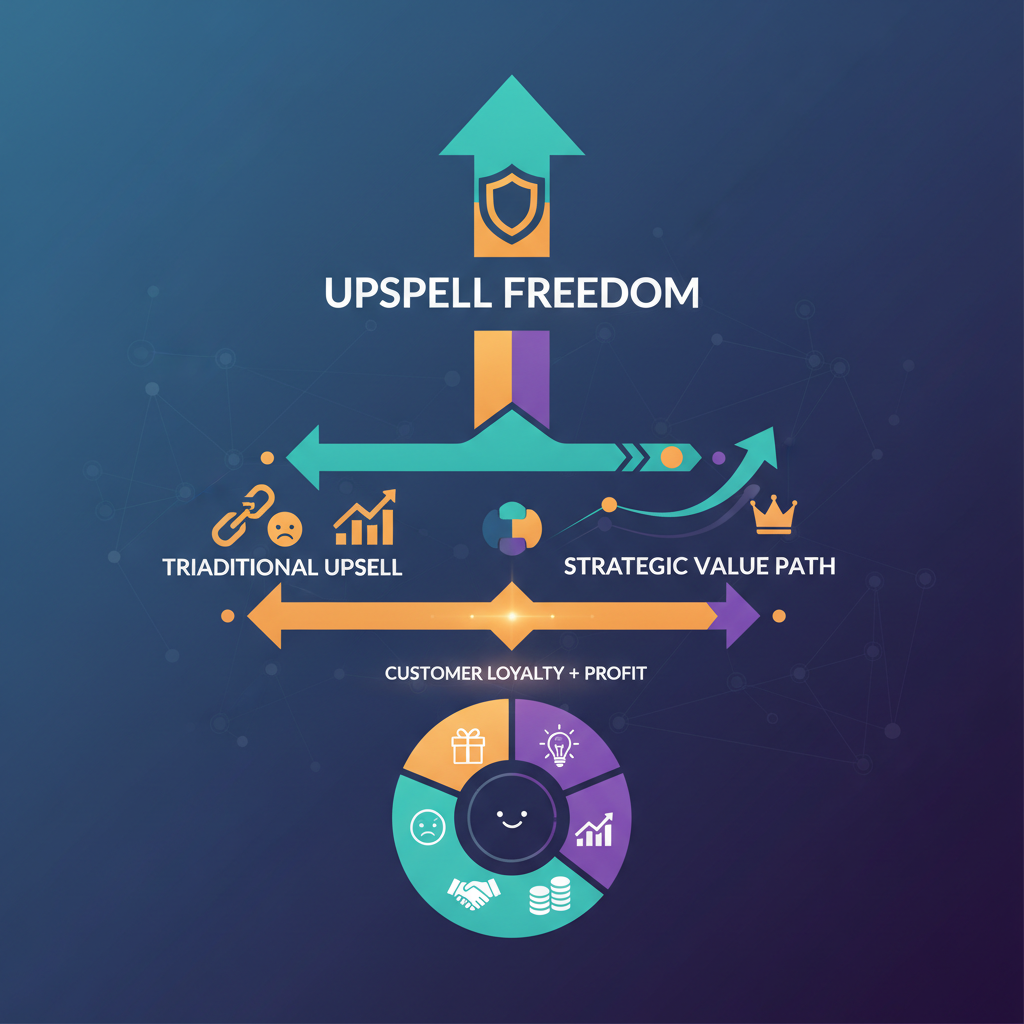
Every business dreams of boosting revenue with minimal effort. But what if I told you that learning how to structure upsell offers without losing customers is not just a dream, but an achievable reality? Picture this: you’ve just made a sale, and your customer is satisfied. Now, you’re itching to present them with an upsell, but the fear of pushing them away holds you back. Here’s where a well-structured upsell offer becomes your trusty ally. By understanding and implementing these techniques, you can increase your sales without losing the trust and loyalty of your customers.
Understanding Upsell Offers and Their Importance
At its core, an upsell offer is a marketing strategy used to persuade a customer to purchase a more expensive item, an upgrade, or an add-on to make the primary purchase more appealing. Upselling is a win-win when done right: it boosts the seller's revenue and enhances the customer's experience. Consider a customer buying a basic coffee maker. By offering a bundle that includes a grinder and premium coffee beans, you add value to the purchase. This not only increases the sale amount but ensures the customer enjoys a more comprehensive coffee experience, thus increasing satisfaction and loyalty.
Why does structuring these offers matter? Because the art of upselling lies in subtlety and relevance. The offer must resonate with the customer's needs, which is crucial for maintaining trust. An abrupt or irrelevant upsell can feel pushy, leading to customer dissatisfaction. For example, offering a high-tech gadget to a customer buying a simple item can seem off-putting. Thus, learning how to create an upsell offer that complements rather than complicates the purchasing journey is vital for long-term business growth. According to a study by McKinsey, companies that excel in personalization generate 40% more revenue from those activities than average players.
Step-by-Step Strategy to Craft Effective Upsells
Creating upsell offers that convert requires a thoughtful approach. Begin by analyzing your customers' buying patterns and preferences. This data will help you identify the right products to upsell. For instance, if you notice a trend where customers who purchase cameras often return for lenses, this indicates a ripe opportunity for upselling related equipment.
Ensure that your upsell offers deliver genuine value. For example, if a customer buys a smartphone, offering a discounted protective case or a premium app bundle can enhance their purchase. A study by Forrester Research found that product recommendations can account for up to 30% of eCommerce site revenues.
The timing of your upsell is equally important. Present your upsell during the checkout process or immediately after the purchase when the customer is still engaged. According to research, upsells presented at these stages are more likely to be accepted because the customer's decision-making process is active. One company, for instance, saw a 20% increase in average order value by integrating upsell prompts during checkout.
Lastly, keep your offers simple and clear. Use concise language and highlight the benefits to ensure your customers understand the value they’re getting. For example, state "Add a protective case for only $10 more to secure your new phone" rather than a vague "Consider additional products." Clarity in communication helps customers make quick, informed decisions.
Tools and Case Studies for Successful Upsell Implementation
To implement upsells effectively, leverage tools like Shopify or WooCommerce for seamless integration. These platforms allow you to create customized upsell offers based on customer behavior and preferences. For instance, Shopify's Product Upsell app lets you offer relevant products at the right time, enhancing the likelihood of acceptance. Its intuitive interface helps track upsell performance, allowing for constant optimization.
Let’s take a closer look at a successful case study: Amazon’s upsell strategy. Amazon frequently uses the “Frequently Bought Together” and “Customers Who Bought This Also Bought” suggestions. This method subtly introduces upsell options that are relevant and add value to the customer’s initial purchase. As a result, Amazon increases its average transaction value without overwhelming customers. In fact, it's estimated that 35% of Amazon's revenue is generated by its recommendation engine.
Consider another scenario: a small e-commerce store selling pet supplies used targeted upsells with WooCommerce to boost sales by 25% in six months. By analyzing purchase histories and sending personalized recommendations for pet grooming products, the store was able to enhance customer satisfaction and loyalty.
Common Mistakes to Avoid in Upselling
Avoid the trap of pushing irrelevant products. This is the quickest way to lose customer trust. Ensuring that your upsell is directly related to the initial purchase is crucial. If a customer is buying hiking boots, suggesting a hiking guidebook may be appreciated; however, recommending unrelated products like kitchenware could be seen as spammy.
Additionally, be wary of overwhelming your customers with too many options. Offering too many choices can lead to decision fatigue, causing customers to abandon their cart altogether. Behavioral scientist Sheena Iyengar's famous jam study found that too many choices can actually reduce the likelihood of a purchase. Instead, offer a few well-chosen options to maintain focus and ease decision-making.
Another mistake is neglecting to highlight the benefits of the upsell. Customers need to understand why they should spend more. Clearly communicating the benefits and additional value helps in making the decision easier for them. For instance, if upselling a maintenance package for a car, emphasize how this protects their investment and offers peace of mind.
Finally, avoid showing upsells at the wrong time. If a customer feels pressured or rushed, they’re likely to abandon both the upsell and the original purchase. Timing is key – presenting these offers when the customer is least distracted can lead to better conversion rates.
Advanced Tips for Scaling Your Upsell Strategy
Once you’ve mastered the basics, it’s time to refine your upsell strategy with advanced techniques. Consider segmenting your audience based on past purchases. This allows for more personalized upsell offers that cater to specific customer needs. For example, a retailer could segment customers who frequently purchase outdoor gear and target them with upsells for new hiking equipment releases.
Additionally, A/B testing different upsell presentations can provide insights into what works best for your audience. By testing variables such as offer wording, images, and price points, you can optimize your upsell strategies for maximum effectiveness. A/B testing helped a leading online fashion retailer increase their upsell conversion rate by 15% in just three months.
Incorporate upselling as part of your email marketing campaigns. For example, following up post-purchase with an offer for an accessory or service that complements their recent purchase can result in additional sales. To automate this process, explore tools like Mailchimp or HubSpot, which integrate seamlessly with e-commerce platforms to trigger upsell emails based on specific customer actions. One SaaS company increased their revenue by 20% using automated upsell emails that offered customers enhanced features after their initial purchase.
Related: You might also find this useful: How to Upsell Without Overwhelming Customers Quickly
What is the best time to present an upsell offer?
The best time to present an upsell offer is during the checkout process or immediately after a purchase. This is when customers are most engaged and receptive to additional offers.
How can I ensure my upsell offer doesn’t overwhelm the customer?
Keep your upsell offers simple and relevant. Ensure they complement the primary purchase and clearly communicate the additional value they provide.
What are some tools to help create effective upsell offers?
Tools like Shopify's Product Upsell app and WooCommerce can help integrate upsell offers seamlessly. They allow personalized recommendations based on customer behavior and preferences.
Can upselling damage customer trust?
Upselling can damage trust if done insensitively. Irrelevant offers or pressure tactics can lead to dissatisfaction. Ensure all offers are value-driven and related to the initial purchase to maintain trust.