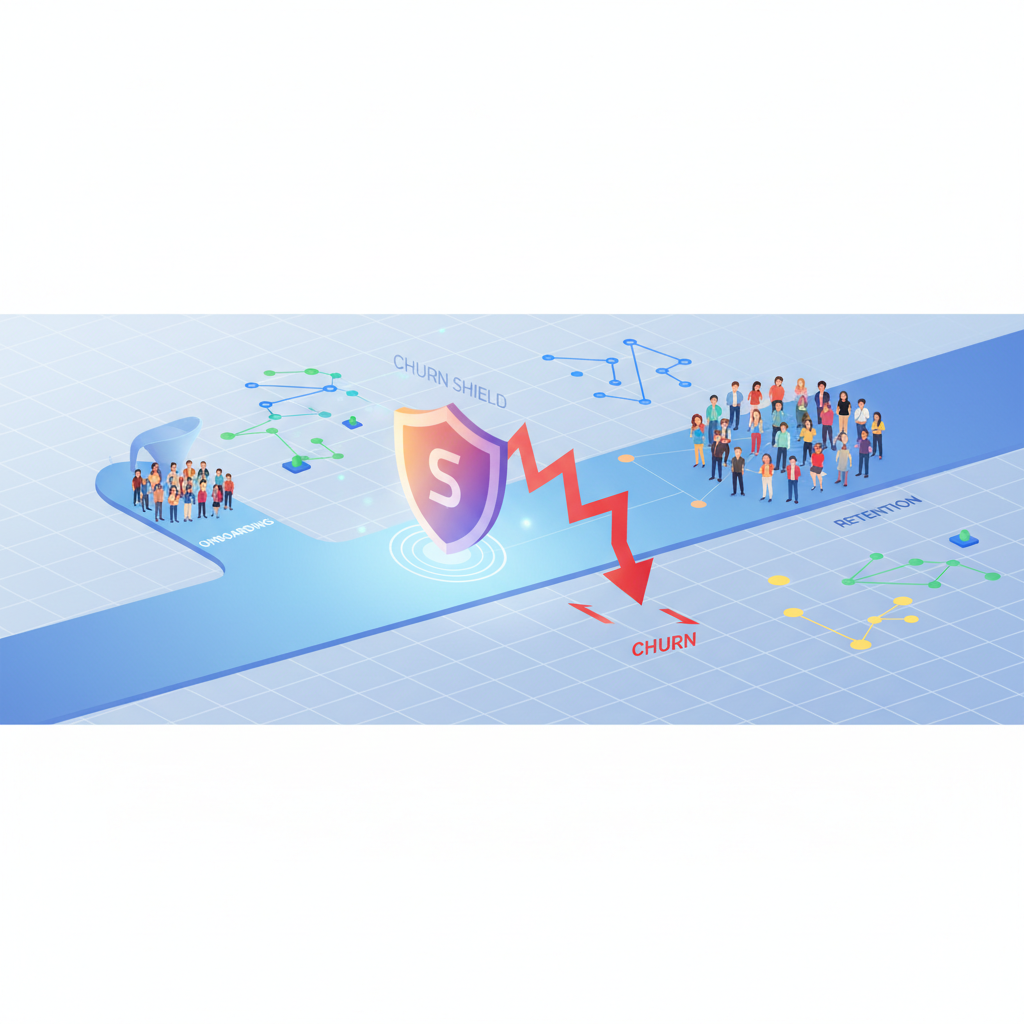
High churn rates can be a nightmare for SaaS businesses. You pour resources into acquiring new users, only to watch them slip away before they even get started. Well, here's the good news: learning how to use onboarding to reduce churn rates can be a game-changer. The difference between a fleeting user and a loyal customer often hinges on those critical first interactions. Let's explore how a robust onboarding strategy can dramatically improve retention.
Understanding Churn: The Core Concept
Churn—it's the silent killer of SaaS growth. Simply put, churn rate is the percentage of customers who stop using your product over a given period. High churn rates indicate dissatisfaction or inability to perceive immediate value. For instance, a startup offering project management software experienced a 50% churn rate. Upon analysis, it was clear that users didn't fully understand the features, leading to disengagement. This underscores the importance of effective onboarding, which is crucial for improving customer retention and satisfaction.
Churn doesn't just represent lost revenue; it signifies a missed opportunity to create loyal advocates for your brand. Imagine if each departing customer told ten potential users about their negative experience. Not only do you lose these users, but you also risk damaging your brand's reputation. Addressing churn is more than a financial concern; it's a vital part of maintaining a healthy business ecosystem.
To understand churn, consider different types of churn such as involuntary churn, where payment failures lead to user loss, versus voluntary churn, where users actively decide to leave. By differentiating these, you can tailor your onboarding process to address specific pain points. For example, implementing a system that notifies users of payment issues can help mitigate involuntary churn.
Implementing a Step-by-Step Onboarding Strategy
To effectively use onboarding to reduce churn rates, start with clarity. Define clear user goals. A step-by-step strategy might begin with a welcome email outlining initial steps. Follow with interactive product tours that highlight essential features without overwhelming users. Next, integrate checkpoints or achievement milestones to motivate users. For example, LinkedIn's progressive onboarding engages users by encouraging profile completion, which enhances user experience and retention.
Think of onboarding as your user's first impression of your product's journey. This journey should be as frictionless as possible. Start by identifying the 'aha moment,' the point when users first realize the value of your product. Once identified, structure your onboarding process to lead users to this point quickly and efficiently. Tools like walkthroughs, tooltips, and guided interactions can significantly enhance this process.
Moreover, consider the use of gamification to increase engagement. Implementing rewards or point systems for completing onboarding tasks not only motivates users but also educates them about the product in an enjoyable manner. Consider how Duolingo uses gamification to keep learners engaged while progressing through language lessons.
Utilizing High-Impact Videos in Onboarding
Videos are a powerful tool in any onboarding strategy. They convey complex information quickly and engagingly. Create short, high-impact videos that introduce key features and use cases. Dropbox's early success was partly due to an explainer video that simplified their service's value proposition. Video content not only informs but also engages users, making them more likely to stick around.
Consider the effectiveness of personalized video content. Tailor videos to different user personas to address specific use cases and needs. For instance, a CRM software might create separate videos for sales professionals and marketing managers, focusing on features most relevant to each group.
Don't overlook the potential of interactive videos. Interactive elements in videos can engage users further by allowing them to make choices or explore features in a simulated environment. This method gives users a sense of control and a better understanding of the product's capabilities, thereby fostering a deeper connection.
For more tips, check out how to create viral video scripts that drive engagement.
Common Onboarding Mistakes to Avoid
One major pitfall is information overload. Bombarding users with too much too soon can lead to disengagement. Instead, stagger onboarding content, maintaining a balance of guidance and autonomy. Another mistake is ignoring user feedback. Pay attention to user complaints and suggestions during onboarding to continuously refine the process. Lastly, avoid generic approaches. Tailor the onboarding experience to different user segments for maximum impact.
Another common oversight is failing to set clear expectations. Users need to understand what they will achieve with your product and how it will solve their problems. A vague or unclear value proposition can leave users feeling uncertain and disconnected from your offering.
Also, avoid using complex jargon or overly technical language during onboarding. Keep the language simple and accessible to ensure users of all levels can follow along. Remember, your goal is to make the user feel confident and capable of using your product without confusion or frustration.
Advanced Onboarding Tips for Reducing Churn Rates
Once you've nailed the basics, it's time to scale. Implement personalized onboarding experiences using data-driven insights. Consider using A/B testing to evaluate different onboarding flows. Analyze user data to identify bottlenecks where users typically drop off. Enhancing engagement further, leverage automated campaigns tailored to specific user behaviors to encourage deeper interaction with your product.
Advanced onboarding strategies may also involve building a community around your product. Encourage users to connect with each other through forums or social media groups. This community aspect can provide additional support, answer questions, and foster a sense of belonging, which contributes to reduced churn.
Another strategy is to leverage predictive analytics to anticipate user needs and challenges. By understanding patterns in user behavior, you can proactively address potential issues before they lead to churn. For instance, if data shows users tend to drop off after encountering a specific feature, you can provide additional resources or support to help them overcome this hurdle.
For further insights on automation, see how to automate YouTube video optimization and scheduling.
What is the most effective way to reduce churn through onboarding?
The most effective strategy is to ensure the onboarding process is simple, engaging, and tailored to the user's needs. Start by clearly defining user goals and provide interactive guides that lead them to success.
How can video content enhance the onboarding process?
Video content is engaging and can effectively convey complex information. It helps users understand key features and benefits quickly, improving their experience and reducing the likelihood of churn.
How do I measure the success of my onboarding strategy?
Track key metrics such as user activation rates, time to value, and engagement levels. User feedback and completion rates of onboarding tasks also provide valuable insights into the effectiveness of your strategy.
Can personalized onboarding really make a difference?
Yes, personalized onboarding addresses individual user needs, increasing engagement and satisfaction. By leveraging user data, you can create tailored experiences that significantly reduce churn rates.