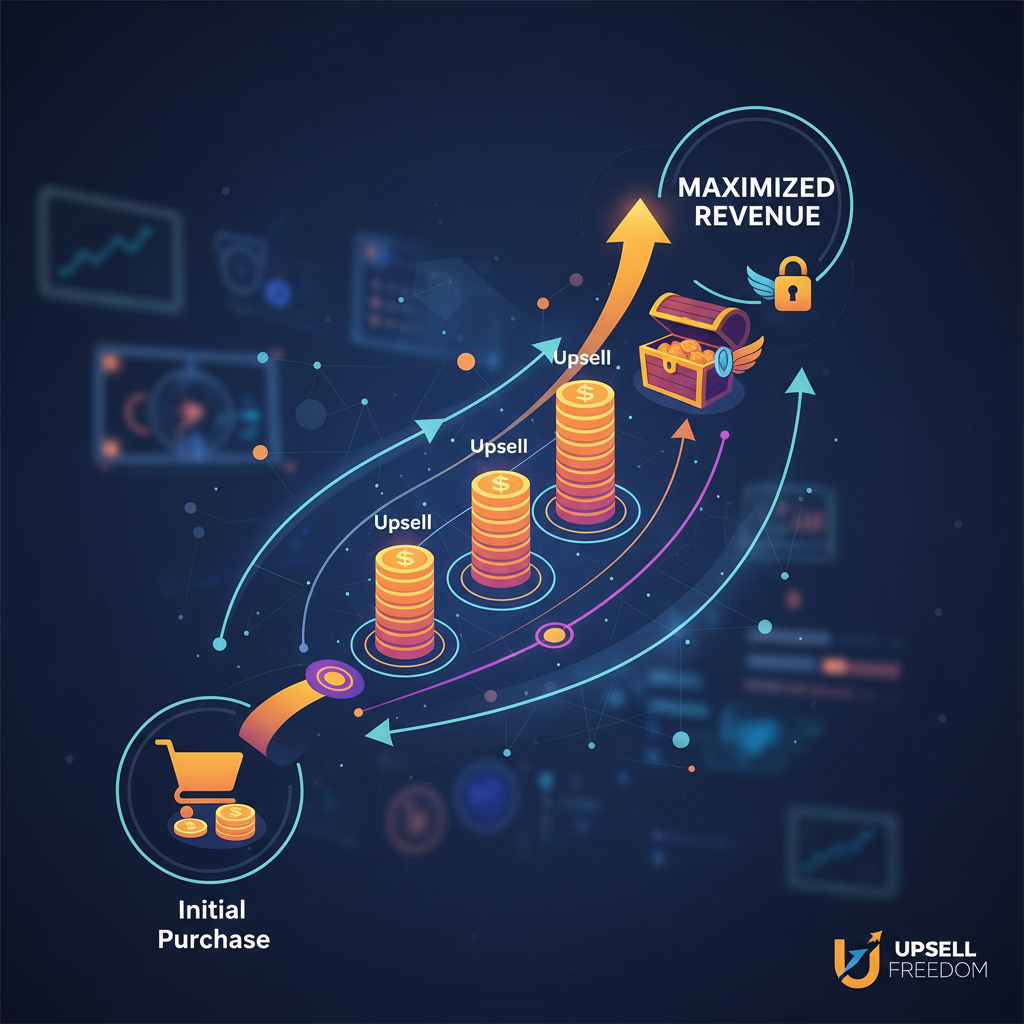
Upselling has always been a cornerstone of increasing sales, but doing it wrong can severely damage customer trust. In today's fast-paced digital world, the challenge is not just about boosting sales but doing so in a way that strengthens, rather than jeopardizes, your relationship with customers. This brings us to a pivotal question: how to use upsells to maximize revenue efficiently? We'll dive into strategies that not only enhance your bottom line but also maintain and build customer trust.
Understanding the Importance of Upsells in Revenue Maximization
The concept of upselling is not new; retailers have been doing it for ages. Yet, the digital marketplace has transformed upselling into a sophisticated art. In essence, upselling involves offering a higher-end version of a product or additional features to an existing customer at the point of purchase. Why does this matter? Simply put, acquiring a new customer is far more costly than selling to an existing one. Consider this: increasing customer retention rates by just 5% can lead to a profit increase of 25% to 95%, according to research by Bain & Company. An example could be Amazon, which successfully uses upsells with its 'Frequently Bought Together' and 'Customers Who Bought This Item Also Bought' sections. By understanding customer preferences and utilizing data effectively, businesses can tailor upsells in a way that feels personalized and value-driven. This personalization is crucial in a digital environment where consumers are bombarded with choices and offers daily.
Moreover, the digital age has enabled a more data-centric approach to upselling. Businesses can now refine their strategies by tapping into customer data, allowing for a more targeted approach. For example, if a customer frequently buys camera equipment, an upsell could involve offering a high-quality lens or an advanced editing software package at a discount. This not only increases the order value but also enhances the customer's experience with the brand, leading to greater trust and potential future sales.
Step-by-Step Strategy to Implement Effective Upsells
The first actionable strategy for implementing effective upsells is understanding your customer's journey. This involves mapping out the stages of your customer's interaction with your brand from awareness to decision. Start by analyzing customer purchasing patterns and preferences. Use this data to identify opportunities where an upsell would genuinely enhance the customer's experience. For instance, if you sell software, offering a premium version with additional features at a slight discount during checkout can be an enticing proposition. Make sure the upsell is relevant and adds real value. Using tools like HubSpot or Salesforce can help track customer data and automate the upsell process, ensuring a seamless experience. Remember, an upsell should feel like a natural extension of the customer journey, not an intrusive sales pitch.
Once you have a clear map of the customer journey, the next step is to create upsell offers that truly resonate. This means not just knowing what product to offer but also understanding the best time to present it. Timing is crucial. For example, presenting an upsell too early in the buying process can seem pushy and may deter a purchase. Instead, consider offering an upsell right after the initial purchase decision has been made but before the final checkout. This approach leverages the buyer's mindset, which is already in the spending mode.
Maximizing Revenue with Data-Driven Upsell Techniques
Diving deeper into upsell strategies, leveraging data can significantly enhance your efficiency. By utilizing predictive analytics, businesses can forecast customer behaviors and tailor upsell offers that resonate with individual preferences. For example, Netflix uses complex algorithms to suggest shows tailored to individual viewer preferences, thereby increasing user engagement. For your business, consider using tools like Google Analytics or customer relationship management (CRM) systems to gather insights on customer behavior. These tools can help identify trends and patterns, enabling you to craft customized upsell offers that are more likely to convert. Additionally, A/B testing different upsell strategies can provide valuable insights into what works best for your audience. Implementing these data-driven techniques ensures that your upsell strategies are not only effective but also customer-centric.
Another layer of sophistication in data-driven upselling is the use of machine learning algorithms. These algorithms can process vast amounts of data to find correlations and causations that might not be apparent to human analysts. For instance, if your e-commerce platform detects that customers who buy a specific type of running shoe also frequently purchase sports watches, you can create an upsell offer that pairs these items together, possibly at a bundled discount. This approach not only increases the perceived value of the purchase but also enhances the shopping experience for the customer.
Common Mistakes in Upselling and How to Avoid Them
One of the biggest pitfalls in upselling is overwhelming the customer with too many options or aggressively pitching the upsell. A common myth is that more choices mean greater chances of a successful upsell. In reality, offering too many options can lead to decision fatigue and potentially drive the customer away. Another mistake is failing to demonstrate the value of the upsell. A customer will only purchase an upsell if they clearly understand how it benefits them. Ensure that your upsell communication is clear, concise, and focused on the customer's needs. Also, avoid upselling too early in the customer journey; it's essential to build trust first. For more insights on enhancing customer interaction, check out our article on sustaining conversations using Inbox Farming effectively.
Furthermore, transparency is key when offering upsells. Customers should never feel tricked into purchasing something they didn’t initially consider. This means clearly explaining the benefits and costs associated with the upsell product. For instance, if an upsell involves a subscription service, the terms and conditions should be prominently displayed. Hidden fees or unclear terms can lead to customer dissatisfaction and damage long-term trust. To avoid this, always ensure that the value proposition of the upsell is evident and straightforward.
Advanced Tips for Scaling Your Upsell Strategy
Once you've mastered the basics, it's time to scale your upsell strategy. Consider implementing cross-sells alongside upsells for greater revenue potential. Cross-selling involves offering complementary products, like suggesting a phone case with a smartphone purchase. Moreover, use personalized marketing tactics to make upsell offers more compelling. Personalized emails or targeted ads based on past behavior can significantly increase conversion rates. Utilizing artificial intelligence and machine learning can further enhance personalization and optimize upsell timing. To delve deeper into leveraging AI, explore our post on automating email marketing content with AI tools. Finally, constantly review and refine your strategies based on performance data to ensure sustained success and revenue growth.
Additionally, consider developing a loyalty program that integrates upselling. For example, offer exclusive upsell deals to loyal customers or those who have reached a certain purchase threshold. By doing so, you not only reward customer loyalty but also encourage increased spending through attractive upsell offers. Furthermore, loyalty programs can provide valuable data on customer preferences, which can be used to fine-tune upsell strategies further.
How can upselling increase customer lifetime value?
Upselling can enhance customer lifetime value by ensuring customers gain more value from their purchases, leading to increased satisfaction and loyalty. When done correctly, it encourages repeat business. Customers who feel they are getting a premium experience are more likely to return, thereby increasing their lifetime value.
What is the difference between upselling and cross-selling?
Upselling involves offering a higher-end version of a product, while cross-selling suggests complementary products. Both strategies aim to increase the average order value but are used in different contexts. Upselling enhances the current purchase, whereas cross-selling introduces related items that can add to the overall shopping experience.
How do you measure the success of an upsell strategy?
To measure the success, track metrics such as the upsell conversion rate, average order value increase, and customer feedback. An increase in these metrics typically indicates a successful upsell strategy. Additionally, assessing customer churn rates post-upsell can provide insights into how the upsell impacts long-term customer satisfaction.
Can upselling damage customer relationships?
When done poorly, upselling can harm customer relationships. However, if executed with relevance and value, it can strengthen trust and lead to higher customer satisfaction. The key lies in offering genuine value and ensuring that the upsell feels like a natural part of the customer’s purchase journey.