Why Learning How to Structure Facebook Ads for Beginners Matters
Imagine pouring your heart and soul into crafting the perfect product, only to watch it languish because your ads miss the mark. It’s a frustrating reality many entrepreneurs face. Learning how to structure Facebook ads for beginners is crucial if you want to ensure your hard work translates into sales. With over 2.8 billion active users, Facebook is a goldmine for reaching potential buyers. But without the right ad structure, your message might never find its audience.
Let’s consider Jane, a budding entrepreneur who crafted a stunning line of eco-friendly cosmetics. She knew she had a hit, but her initial Facebook ads flopped. Why? Her ads were poorly structured, failing to target the right audience and lacking compelling creativity. With a structured approach, Jane turned her ad campaigns around, engaging the right people and boosting her sales significantly. That's the power of a well-structured Facebook ad.
Understanding the Basics of Facebook Ads Structure
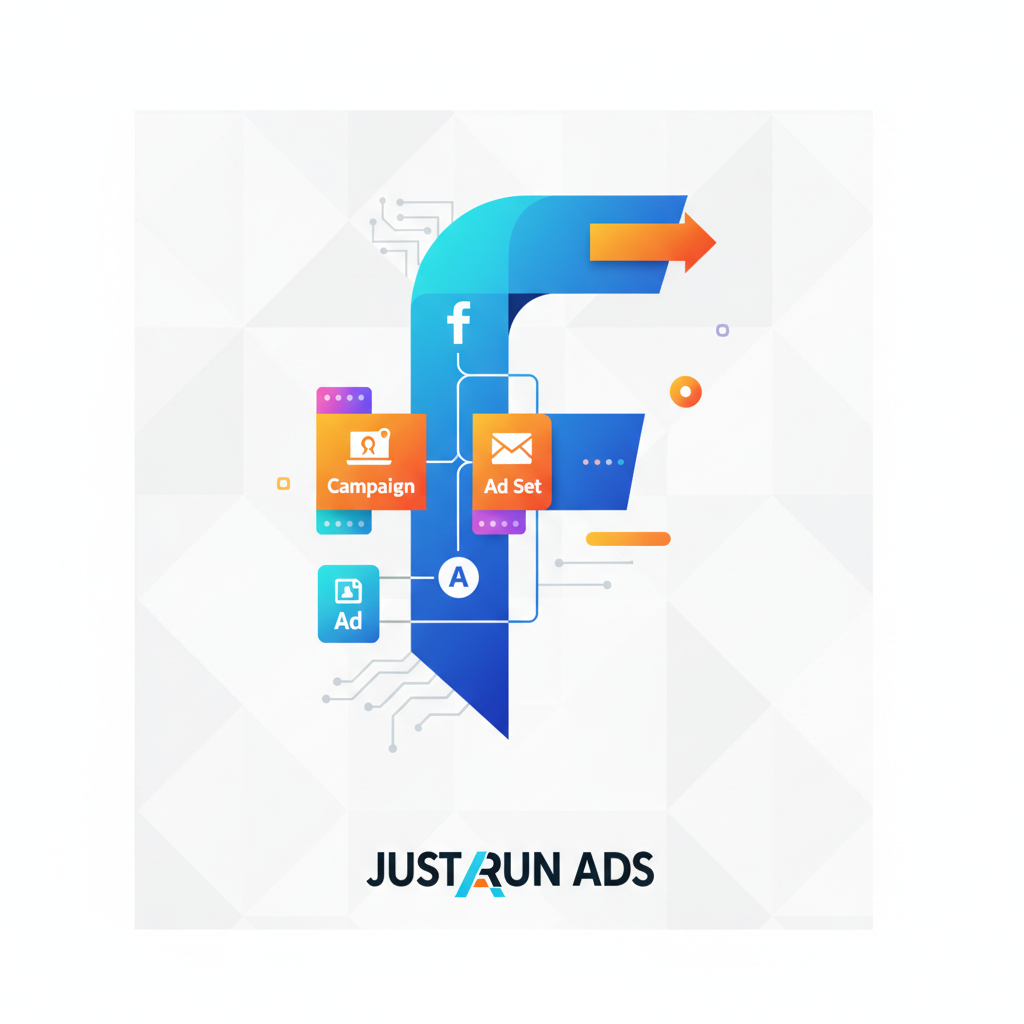
Before diving into campaign creation, it's essential to grasp the core elements that form the foundation of Facebook advertising. At the heart of Facebook ads are three tiers: campaigns, ad sets, and ads themselves. This hierarchy ensures your advertising efforts are organized and manageable.
The campaign level is where you define your objective, whether it's brand awareness, lead generation, or conversions. For instance, if you're promoting a new online course, your objective might be to drive traffic to a landing page to capture sign-ups. Next comes the ad set level, where you decide on targeting options, budget, and schedule. This is where you select the audience that best matches your ideal customer profile, ensuring your ads reach those most likely to convert.
Finally, the ad level is where creativity comes to play. Here, you craft compelling visuals and ad copy that resonate with your audience. By understanding and properly structuring these layers, you set the stage for a successful advertising campaign.
Crafting Your First Facebook Ad Campaign
Setting up your first Facebook ad might seem daunting, but with a systematic approach, it becomes manageable. First, identify your advertising goal. Are you aiming for more website visits, or is increasing video views your target? Having a clear objective will guide your setup process.
Next, move to the ad set level. This is where you define your audience parameters. Consider factors like age, location, interests, and behaviors. For example, if you’re selling sports gear, your audience might include fitness enthusiasts and sports fans. Align your budget with your goals and set a schedule that maximizes your ad exposure during peak times.
Finally, at the ad level, design engaging creatives. Use high-quality images or videos and write persuasive copy. Remember to test different variations to see what resonates best with your audience. Facebook’s A/B testing feature allows you to try different images, headlines, and calls-to-action to refine your approach.
Advanced Strategies for Scaling Facebook Ads
Once you have a baseline understanding of structuring Facebook ads, it's time to think about scaling your efforts. Scaling isn't just about increasing your ad spend; it involves strategic testing and optimization.
Start by analyzing the performance data from your initial campaigns. Look for patterns in what works and what doesn’t. Perhaps you notice that ads featuring user testimonials perform better, indicating that social proof is key for your audience. Use these insights to refine your ad sets and creatives.
Consider leveraging lookalike audiences—Facebook's powerful tool for reaching new people similar to your best existing customers. By using a base audience list, such as your email subscribers, Facebook can find users with similar characteristics, expanding your reach effectively.
Additionally, explore Facebook’s automated rules feature. This allows you to automate certain actions based on performance metrics, helping maintain efficiency as you scale. By systematically testing, learning, and optimizing, you can scale your ad campaigns without sacrificing efficiency or effectiveness.
Common Mistakes Beginners Make with Facebook Ads
One of the biggest pitfalls for beginners is failing to define a clear audience. Broad targeting might seem like a way to reach more people, but it often results in wasted ad spend. Instead, focus on honing in on the specific demographics and interests that align with your ideal customer.
Another common mistake is neglecting the importance of ad creativity. Bland, generic ads fail to capture attention in a crowded newsfeed. Ensure your visuals and messaging are unique and engaging. Experiment with different formats, like carousel ads or video ads, to see what resonates best with your audience.
Finally, avoid setting it and forgetting it. The digital landscape is dynamic, and what works today might not work tomorrow. Regularly review and adjust your campaigns to maintain their effectiveness. Consistent analysis and iteration are key to sustained success.
Advanced Tips for Structuring Facebook Ads Successfully
As you grow more confident in your ad structuring capabilities, consider implementing advanced tactics to further optimize your campaigns. Dynamic ads, for instance, allow you to automatically show the right products to the right people based on their previous interactions with your brand.
Moreover, embrace the power of storytelling. Instead of a hard sell, create a narrative that draws users in and builds a connection with your brand. This approach can lead to higher engagement and conversion rates.
It's also crucial to stay updated with Facebook’s ever-evolving features. Regularly explore new ad formats and tools that Facebook introduces, such as augmented reality ads or interactive polls, to keep your campaigns fresh and engaging.
Finally, consider integrating your Facebook advertising efforts with other platforms. Cross-promoting campaigns on Instagram, or even exploring video marketing strategies on YouTube https://app.martycentral.com/blog/automate-video-seo-optimization-for-youtube-without-coding, can create a cohesive and comprehensive digital marketing strategy.
Related: You might also find this useful: How to Structure Facebook Ad Campaigns for Beginners
Related: You might also find this useful: Learn How to Quickly Structure Effective Facebook Ads Today
What is the best budget for beginners starting Facebook ads?
For beginners, a modest budget of $5 to $10 per day is a good starting point. This allows you to test different strategies and audiences without significant risk. As you gather data and insights, you can gradually increase your budget to scale successful campaigns.
How can I track the performance of my Facebook ads?
Facebook provides robust analytics and reporting tools through its Ads Manager. Use it to track key metrics like reach, engagement, conversions, and return on ad spend (ROAS). Regularly reviewing these metrics helps you assess what’s working and adjust your strategy accordingly.
Are video ads more effective than image ads on Facebook?
Video ads generally drive higher engagement rates due to their dynamic nature. They’re effective for storytelling and showcasing products in action. However, the success of video vs. image ads can vary based on your audience and product. Testing both formats is recommended to see which resonates more with your audience.
How often should I update my Facebook ad creatives?
Updating your ad creatives every few weeks is advisable to prevent ad fatigue. Monitor your campaign performance, and if you notice a decline in engagement or conversions, it might be time to refresh your visuals and messaging. Consistent updates help maintain audience interest and ad effectiveness.