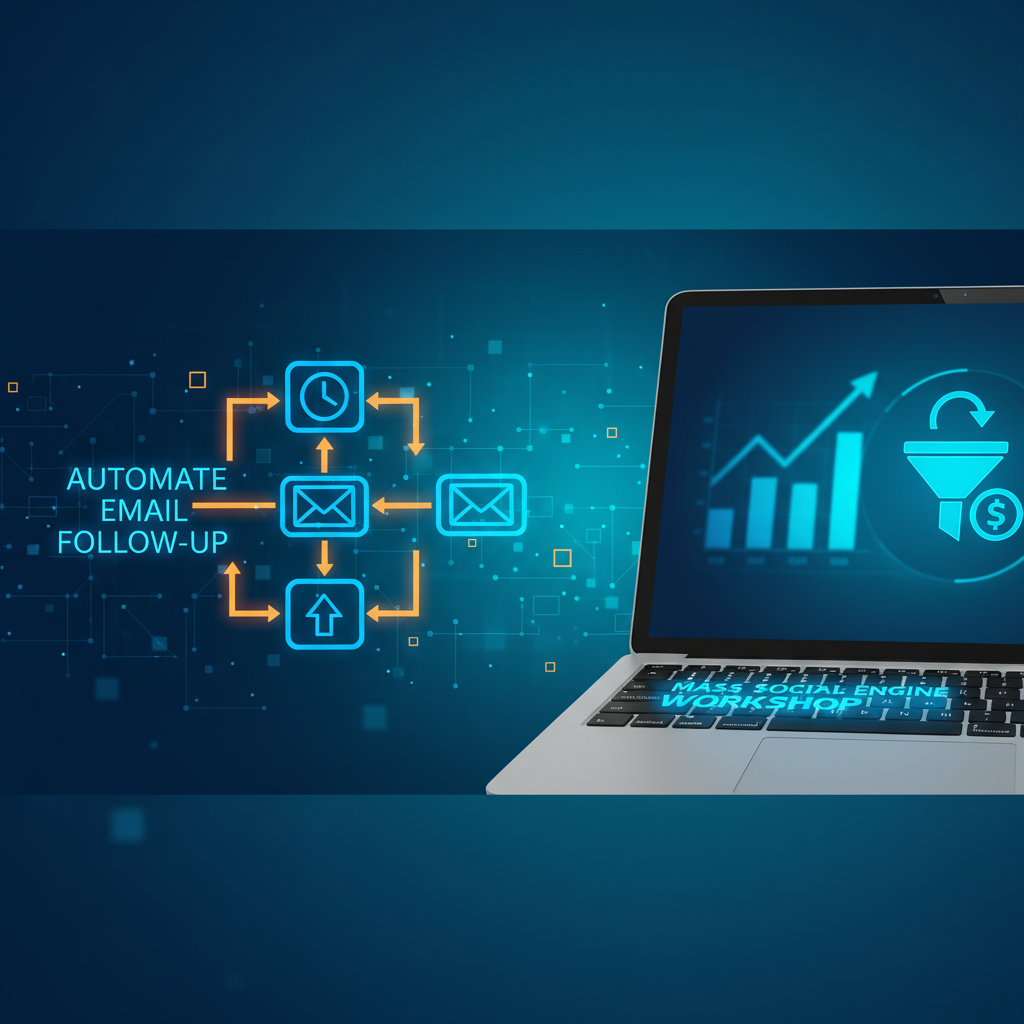
Let's face it: converting leads into paying customers is a daunting task. Many entrepreneurs find themselves constantly juggling between lead engagement and other vital business tasks. This is where the power to automate email follow-up process for lead conversion becomes indispensable. Imagine having an automated system that nurtures your leads, freeing you to focus on scaling your business. This post will guide you through building such a system effectively.
Understanding the Importance of Automated Email Follow-Up
Automated email follow-up isn't just a convenience; it's a game-changer. Email remains one of the most effective marketing channels, with a potential return on investment of 4400%. Yet, many businesses underutilize it. Automation in email marketing ensures that your leads receive timely, relevant messages, guiding them through the buying process without overwhelming them. Consider this: a study by MarketingSherpa reveals that companies that automate lead management see a 10%+ increase in revenue within six to nine months. This isn't just about increasing numbers; it's about creating a seamless customer experience that turns prospects into loyal customers.
For instance, think about how an e-commerce business might benefit from email automation. If a potential customer browses through a product page but leaves without purchasing, a well-timed automated follow-up email can remind them of the items left in their cart, maybe even sweeten the deal with a limited-time discount. This kind of proactive engagement is what differentiates successful digital marketing strategies from the rest.
Moreover, automated emails help maintain a consistent brand presence. In a market saturated with competitors, staying top-of-mind can be challenging. Automation allows for scheduled, consistent communication, ensuring your brand remains visible and relevant. With the average office worker receiving over 120 emails daily, cutting through the noise with timely, personalized messages is crucial. This not only enhances brand recall but also prepares your business for long-term growth by fostering stronger relationships with your audience.
Setting Up Your Automated Email Follow-Up System
Now, let's dive into setting up your system. The first step is choosing a reliable email marketing platform like Mailchimp or ConvertKit, which offer powerful automation features tailored to various business needs. These platforms provide intuitive interfaces and customizable templates that even beginners can navigate. Once you've selected your platform, the next step is crafting your email sequences with the customer journey in mind. A well-designed sequence not only welcomes new subscribers but also educates and engages them at every stage of their journey.
Begin with a warm welcome email. This isn't just a polite introduction; it's your chance to make a strong first impression. Share your brand story, set expectations, and provide valuable resources to help them get started. Following the welcome email, tailor your content to address your leads' pain points. Offer solutions, insights, and benefits that resonate with their needs. For instance, if a lead clicked on a product link, send them a series of emails focusing on that product's benefits, user testimonials, and perhaps a behind-the-scenes look at its creation. This kind of targeted approach not only enhances engagement but significantly boosts conversion rates.
Furthermore, use tags and segments to personalize the experience. By tagging subscribers based on their interactions with your emails and website, you can send more relevant content that speaks directly to their interests and behaviors. For example, if a lead frequently visits your blog, consider sending them your latest posts or a curated list of articles that might interest them. The goal is to create a personalized experience that feels less like marketing and more like a valuable conversation.
Leveraging AI Tools to Enhance Your Email Strategy
The integration of AI tools in your email strategy can elevate your process significantly. AI can help optimize send times, personalize email content, and even predict which leads are more likely to convert. This not only maximizes your marketing efforts but also ensures that your messages are delivered precisely when your audience is most likely to engage with them.
Tools like HubSpot's AI-powered CRM offer predictive lead scoring, enabling you to focus efforts on high-potential leads. This means you can allocate resources more efficiently, directing your efforts where they're most likely to yield returns. An example of AI in action is Grammarly's email assistant, which refines your email copy to ensure clarity and impact. AI-driven tools can analyze past interactions and recommend the best times to send emails, the most effective subject lines, and even suggest content that matches your audience's preferences.
Moreover, AI can help in creating dynamic content tailored to individual users. For instance, instead of sending a generic newsletter, AI can customize the content based on each subscriber’s previous interactions with your brand. This level of personalization can significantly increase engagement rates, as recipients are more likely to open emails that speak to their specific interests. The fusion of AI technology into your email strategy not only saves time but also enhances the overall customer experience, building stronger, more meaningful connections with your audience.
Common Mistakes to Avoid in Automated Email Campaigns
While automation is powerful, certain pitfalls can negate its benefits. Many businesses fall into the trap of 'set it and forget it.' However, automation requires regular monitoring and updating. Emails can become outdated, leading to disengaged audiences. Imagine a scenario where your automated system continues to send promotional emails for a product that's no longer available. This not only frustrates the recipient but damages your brand's credibility.
Furthermore, over-automation can make emails feel impersonal. While it's tempting to automate as much as possible, adding personal touches is crucial. For example, addressing the recipient by name and tailoring content to their preferences can significantly boost open rates. Personalization goes beyond just using names; it involves understanding the customer's journey and delivering content that resonates with their current stage. An email tailored to a first-time buyer will differ significantly from one aimed at a repeat customer.
Avoid bombarding your leads with too many emails, as this can lead to higher unsubscribe rates and reduced trust. Instead, focus on quality over quantity. Each email should provide value and serve a purpose in the larger context of your marketing strategy. Regularly review your email sequences for relevance and performance. Testing different elements like subject lines, email copy, and images can give you insights into what works and what doesn't, allowing you to refine your approach continually.
Advanced Tips for Scaling Your Email Follow-Up System
Once you've mastered the basics, it's time to scale. Start by integrating your email system with other marketing channels, like social media or SMS, for a multi-channel approach. This creates a cohesive customer experience across platforms, increasing the chances of engagement. For instance, you can use social media retargeting to reinforce the messages delivered through your email campaigns, ensuring your brand stays top-of-mind.
You can also segment your audience more granularly based on behavior, preferences, or purchase history for hyper-targeted campaigns. This means moving beyond basic demographic segmentation and delving into behavioral insights that can inform more dynamic and effective campaign strategies. For example, a clothing retailer could send tailored promotions based on a customer's past purchases or browsing history, increasing the likelihood of a conversion.
Additionally, continuously test and optimize your email content and timing. A/B testing subject lines, email content, and call-to-action buttons can provide insights into what resonates with your audience. Over time, these insights can drive more refined strategies, enhancing conversion rates. Remember, even small improvements in open rates and click-through rates can significantly impact your bottom line.
As your business grows, consider leveraging advanced features like dynamic content, which allows you to customize email sections based on individual subscriber data. This can personalize the user experience to an even greater extent, driving engagement and conversions in ways that static content simply can't match. Also, explore integrating AI-driven analytics to gain deeper insights and make data-driven decisions that will guide your automation strategy forward.
What is an automated email follow-up process?
An automated email follow-up process involves using software to send pre-written emails to leads at specific intervals or in response to certain actions. This system nurtures leads without manual intervention, ensuring timely communication. It allows businesses to keep leads engaged through consistent touchpoints, guiding them through the sales funnel.
How can AI improve email follow-up processes?
AI tools enhance email strategies by optimizing send times, personalizing content, and predicting lead behaviors. These capabilities boost engagement and conversion rates, making your email marketing more effective. AI can also assist in segmenting your audience based on complex data analysis, providing insights that might be missed by manual methods.
Why is personalization important in automated emails?
Personalization makes emails feel relevant and tailored to the recipient's needs, increasing the likelihood of engagement. It builds trust and can significantly improve open and conversion rates compared to generic emails. A personalized email strategy demonstrates that you understand and value your customers, fostering long-term loyalty.
How often should I update my automated email sequences?
Regular updates are crucial to ensure relevance and engagement. Review and refresh your email sequences at least quarterly, or more frequently if there are significant changes in your offerings or market trends. This ensures that your content remains current and continues to resonate with your audience, reflecting any shifts in their preferences or behaviors.