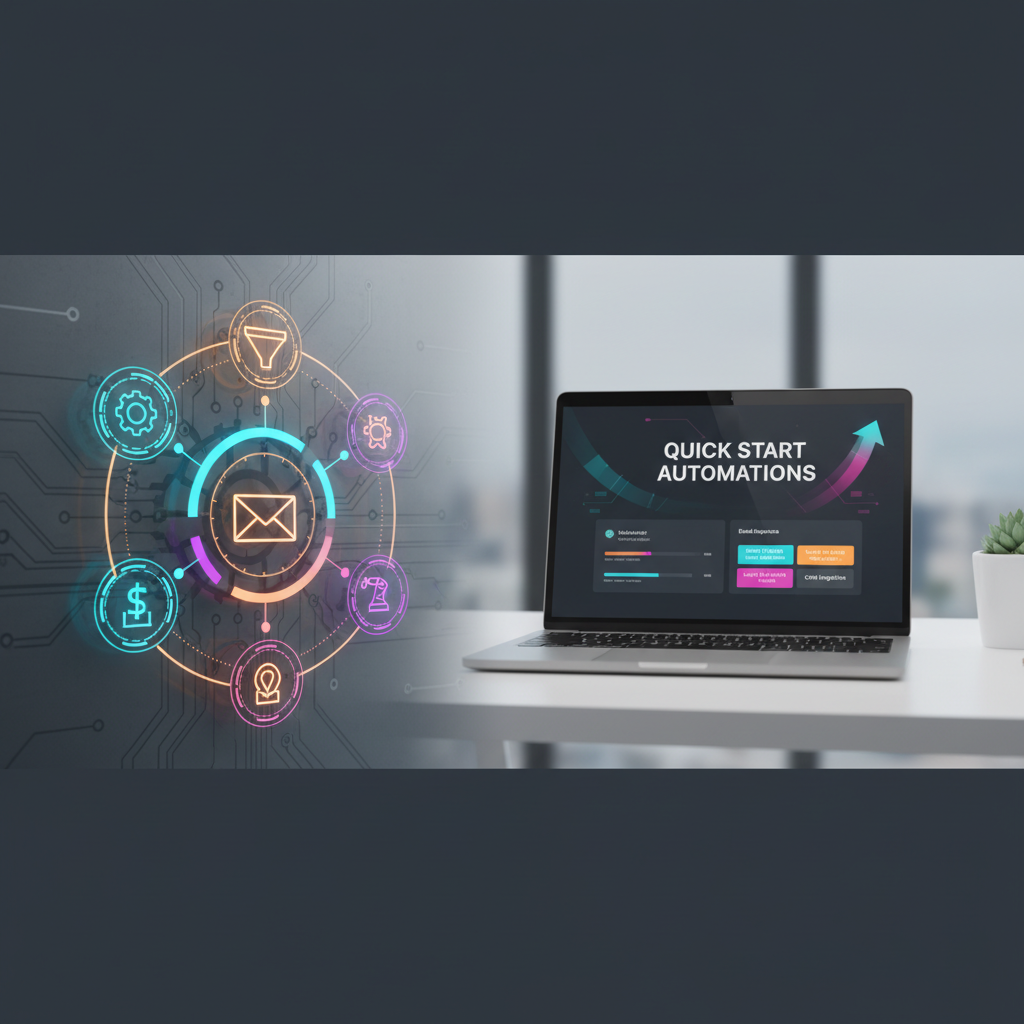
In today’s digital age, businesses are constantly seeking ways to streamline operations and boost productivity. One of the most significant challenges is finding the time to focus on strategic growth while managing daily tasks. This is where learning how to automate marketing processes efficiently becomes a game-changer. Imagine reallocating hours spent on repetitive tasks to creative strategy sessions that propel your business forward. By mastering automation, you’re not just working smarter; you’re transforming your business into a well-oiled machine that thrives even in your absence.
The Core Concept of Automating Marketing Processes
Automation isn’t just a buzzword; it’s a transformative tool for modern businesses. At its core, automation involves using technology to perform tasks with minimal human intervention. This is especially crucial in marketing, where the repetitive nature of tasks can be time-consuming and error-prone. Consider the scenario of managing an email marketing campaign manually—weeks of effort, potential human errors, and inconsistent follow-ups. Now, contrast that with an automated system that schedules, personalizes, and analyzes each email sent. The efficiency and accuracy of the latter not only save time but also enhance the effectiveness of your marketing efforts. In fact, according to a report by Invesp, companies that automate lead management see a 10% or more increase in revenue in 6-9 months. This highlights why understanding how to automate marketing processes efficiently is essential, as it allows businesses to maintain a competitive edge while focusing on strategic growth.
Beyond email marketing, automation extends to various facets of marketing such as social media management, customer relationship management (CRM), and analytics. Imagine having a tool that not only schedules posts but also curates content based on trending topics relevant to your audience, automatically engaging with users at optimal times. This seamless integration across platforms ensures your presence is both timely and relevant. The real magic happens when automation allows businesses to create a personalized experience for each customer, thereby increasing engagement and loyalty. By leveraging automation, businesses can free up human resources to focus on innovation and personal interaction, which are essential for cultivating a trusted brand.
Step-by-Step Strategy to Automate Your Marketing
To begin automating your marketing processes efficiently, start by identifying repetitive tasks that consume significant time. Social media posting, email marketing, and customer segmentation are prime candidates. Implement automation tools like HubSpot or Mailchimp, which offer robust features for scheduling posts and emails. For instance, Mailchimp’s automation can send abandoned cart reminders, birthday discounts, and follow-up emails without manual input. Let’s walk through a step-by-step approach:
1. Identify Repetitive Tasks: Start by listing all marketing tasks that are performed regularly and require significant manual effort. Tasks such as sending newsletters, posting on social media, and updating customer details are often ripe for automation.
2. Choose the Right Tools: Research and select the right automation tools that fit your business needs. For instance, if customer engagement through email is crucial, a platform like Mailchimp is ideal due to its user-friendly interface and powerful automation capabilities. If your focus is on social media, tools like Buffer or Hootsuite can prove invaluable.
3. Set Clear Goals: Establish clear objectives for your automation efforts. Whether it’s increasing email open rates by 20% or improving customer engagement on social media by 30%, having defined goals helps measure the success of your automation strategies.
4. Monitor and Analyze: Use analytics to regularly monitor the success of your automated tasks. Tools within platforms like Google Analytics can provide insights into customer behavior and campaign performance, enabling you to refine and optimize your strategies.
By taking these steps, you’ll free up time for creative endeavors and strategic planning, propelling your business toward greater success.
Deeper Dive into Tools and Techniques
Exploring advanced tools is crucial for maximizing the efficiency of your marketing automation. Platforms like Zapier and Hootsuite offer extensive integrations that connect various apps and services. Zapier, for example, can automate workflows across multiple platforms, ensuring seamless data transfer and task management. Imagine a system where new customer data from your CRM automatically triggers personalized email sequences and updates your social media calendar. This interconnected approach not only streamlines operations but also enhances the customer experience.
Let’s consider a real-world example: a small online retailer uses Zapier to link their e-commerce platform to their CRM and email marketing software. When a customer makes a purchase, this information is automatically logged in the CRM, triggering a series of personalized emails thanking the customer, suggesting related products, and offering discounts on future purchases. This kind of personalized engagement can significantly boost customer retention and lifetime value.
Additionally, tools like SEMrush and Google Analytics provide valuable insights into customer behavior, enabling more targeted marketing strategies. These platforms can analyze competitor strategies, track market trends, and identify opportunities for optimization. For instance, SEMrush can uncover keyword opportunities that your competitors are not utilizing, giving you a distinct advantage in search engine rankings. Google Analytics, on the other hand, can offer insights into user demographics and behavior, helping to tailor your marketing messages to the right audience.
These technologies are indispensable in the journey of how to automate marketing processes efficiently, offering a comprehensive solution that adapts to your business’s growing needs.
Common Mistakes and Myths in Marketing Automation
Despite its benefits, automation is often surrounded by myths and misconceptions that can lead to costly mistakes. One common pitfall is the belief that automation is a set-and-forget solution. In reality, effective automation requires ongoing monitoring and adjustment. Neglecting this can result in outdated content, irrelevant messaging, and potential customer alienation. For instance, if your automated emails are not monitored and updated, you might end up sending out-of-date promotions or irrelevant messages that could damage your brand's reputation.
Another myth is that automation eliminates the need for human creativity, which is far from true. Automation handles repetitive tasks, freeing up time for creative endeavors that require a human touch. Consider the use of AI in content generation – while it can produce vast amounts of data quickly, the creative and strategic insight of a human is still necessary to ensure content resonates emotionally with audiences. Instead of relying solely on automation, use it as a tool to enhance human efforts and creativity.
Avoid relying solely on automation; instead, use it as a tool to enhance human efforts. Understanding these pitfalls is crucial for anyone looking to automate marketing processes efficiently, ensuring that the system enhances rather than hinders your business operations.
Scaling Your Automated Marketing for Success
Once the basics of automation are in place, scaling these processes can significantly amplify your marketing efforts. Begin by expanding your automation to include more sophisticated tasks, such as predictive analytics for customer behavior or AI-driven content recommendations. This involves leveraging machine learning algorithms to predict trends and optimize campaigns in real-time.
For example, a company might use AI to analyze customer browsing patterns and predict which products a customer is most likely to purchase next. By automatically sending personalized recommendations or offers, businesses can increase conversion rates and enhance customer satisfaction.
Additionally, integrate your marketing automation with sales and service platforms to create a seamless customer journey from initial contact to post-purchase engagement. This holistic approach not only improves efficiency but also enhances customer satisfaction, driving long-term loyalty and growth. For instance, integrating CRM and marketing automation can provide sales teams with up-to-date insights on customer interactions and preferences, enabling more effective and personalized communication.
As you scale, continuously review and refine your automation strategies to adapt to changing market dynamics and emerging technologies, ensuring your business remains at the forefront of innovation. Regularly assess the performance of automated campaigns, update strategies based on data-driven insights, and remain agile in your approach to leveraging new technology.
What are the benefits of automating marketing processes?
Automating marketing processes saves time, reduces human error, and enhances productivity. It allows businesses to focus on strategic growth while maintaining consistent engagement with their audience, leading to increased efficiency and customer satisfaction. By automating repetitive tasks, companies can dedicate more resources to developing innovative strategies and creating high-quality content that resonates with their target audience.
Can small businesses benefit from marketing automation?
Absolutely! Small businesses can greatly benefit from automation by streamlining operations and leveling the playing field. Automation tools help manage tasks efficiently, allowing small teams to achieve more with less effort. By reducing the time spent on manual processes, small businesses can focus on growth-oriented activities such as market expansion and customer relationship building. Moreover, automation allows small businesses to compete with larger companies by delivering personalized marketing at scale.
What tools are essential for marketing automation?
Essential tools for marketing automation include platforms like HubSpot, Mailchimp, Zapier, and Hootsuite. These tools offer features like email automation, social media scheduling, and CRM integration, enabling businesses to automate tasks seamlessly. Choosing the right tools depends on your specific business needs and goals. For instance, HubSpot offers a comprehensive suite for inbound marketing, while Mailchimp excels in email marketing automation. Zapier is ideal for connecting different services and automating workflows across platforms, and Hootsuite is renowned for social media management.
How can I avoid common pitfalls in marketing automation?
To avoid pitfalls, regularly monitor and adjust automated processes, and ensure there is a balance between automation and human creativity. Stay informed about the latest trends and tools to keep your strategies relevant and effective. Regular audits of your automation strategies can help identify areas for improvement and prevent the system from becoming obsolete. Engage with your audience to gather feedback and insights, ensuring your automation processes continue to deliver value and meet customer expectations.