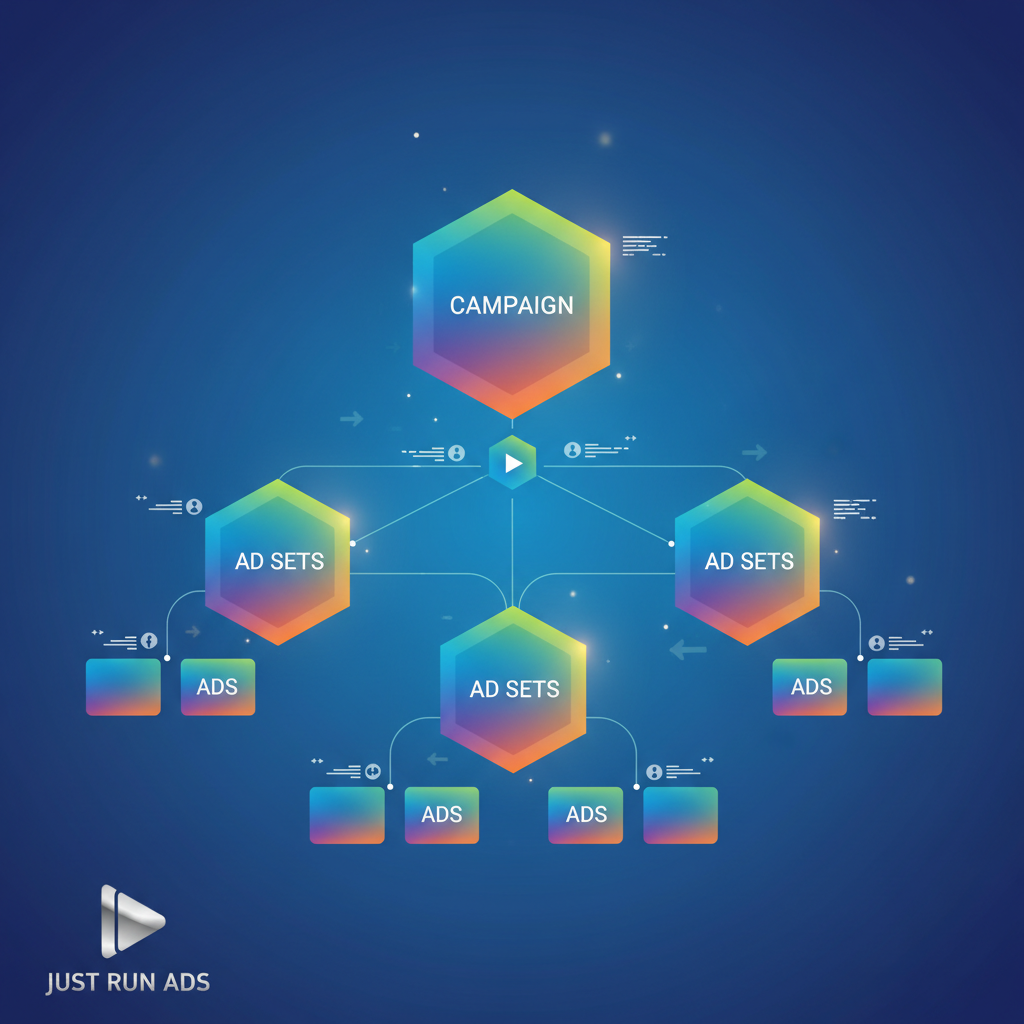
In the fast-paced world of digital marketing, knowing how to structure Facebook ad sets effectively can be the difference between a campaign that converts and one that falls flat. If you've ever felt overwhelmed by Facebook's complex ad system, you're not alone. Many marketers struggle to organize their ad sets in a way that maximizes performance and streamlines scaling. Let's dive into how you can strategically structure your Facebook ad sets for success.
Understanding Facebook Ad Sets and Why They Matter
Facebook ad sets are the building blocks of your advertising campaigns. Each ad set controls the targeting, budgeting, scheduling, and placements of your ads. Think of an ad set as the strategic plan that dictates who sees your ads and when. This is crucial because the right structure can significantly impact your campaign's effectiveness. For instance, consider a local bakery that wants to drive foot traffic. By structuring their ad sets to target users within a five-mile radius, they ensure their ads reach relevant potential customers. Proper structuring ensures your ads reach the right people at the right time without wasting budget on uninterested users.
The importance of understanding ad set structuring extends beyond just who sees your ads. It involves a deep dive into consumer behavior analytics and market segmentation. By customizing your ad sets with tailored messages and targeted demographics, your ads resonate more with viewers, leading to higher engagement and conversion rates. Take, for example, a fitness brand that wishes to target different age groups with varied interests. By creating separate ad sets for younger audiences interested in high-energy workouts and older groups focused on gentle fitness activities, the brand can deliver more relevant content, thus optimizing their budget and enhancing ad performance.
How to Structure Facebook Ad Sets Effectively
To start structuring your Facebook ad sets effectively, begin by defining clear goals for each ad set. This involves selecting a specific audience, setting a budget, and choosing placements. Start with audience segmentation. Divide your target audience into distinct groups based on demographics, interests, or behaviors. This allows for more precise targeting. Next, allocate your budget wisely. Instead of spreading your budget thin across multiple ad sets, focus on a few well-defined segments. Finally, test different placements to see which work best for your audience—whether it’s the Facebook news feed, Instagram, or the Audience Network. This approach allows you to optimize ad delivery and performance.
One of the key strategies in effective ad set structuring is understanding the customer journey. Tailor your ad sets to the different stages of this journey—from awareness to consideration and finally conversion. For example, in the awareness stage, you might want to use ad sets focused on broad reach, utilizing captivating visuals and engaging content to introduce your brand. As potential customers move to the consideration stage, your ad sets can become more targeted, using testimonials or detailed product information. Finally, conversion-focused ad sets should highlight promotions or limited-time offers to entice customers to take immediate action.
Diving Deeper: Tools to Optimize Ad Set Structure
Once you've established the basic structure of your ad sets, it's time to refine them using advanced tools. Facebook's Ads Manager offers features like A/B testing, which helps you determine which elements of your ads are most effective. Experiment with different ad creatives and messages within your ad sets to see what resonates best with your audience. Additionally, Facebook's Audience Insights tool provides valuable data about your audience's preferences and behaviors. This information can help you fine-tune your targeting strategy further. As you collect data, use these insights to adjust your ad sets, ensuring you’re continually improving performance.
Leveraging Facebook's Custom Audiences and Lookalike Audiences can significantly enhance your ad set effectiveness. Custom Audiences allow you to reach individuals who have already interacted with your business, such as website visitors or past customers, making your ad sets more relevant. On the other hand, Lookalike Audiences enable you to expand your reach by targeting new users similar to your existing customers. Both tools help you refine your targeting approach, ensuring higher engagement rates and better ROI. Moreover, using Facebook's automatic placements feature can further optimize your ad sets by allowing Facebook to determine the best ad placements, enhancing ad visibility and performance.
Avoiding Common Mistakes in Facebook Ad Set Structuring
One common mistake marketers make is not monitoring ad performance closely. Without regular analysis, it’s easy to miss critical issues such as audience fatigue or overspending on ineffective ad sets. Another pitfall is failing to properly align ad set goals with overall business objectives. Always ensure that each ad set is geared towards achieving a specific outcome, whether it’s brand awareness, lead generation, or direct sales. Lastly, don't ignore the importance of testing. Many marketers set up their ad sets and forget them, missing out on opportunities to optimize and improve over time.
Another frequent error is the lack of creative variation within ad sets. Running the same ad continuously can lead to audience fatigue, where users become desensitized to your ads, leading to a decline in performance. It's essential to regularly refresh your ad creatives to maintain engagement. Additionally, some marketers fail to utilize the data and insights available to them. Ignoring metrics such as click-through rates, conversion rates, and cost per result can prevent you from understanding your audience's preferences and optimizing your ad sets accordingly. Regularly reviewing these metrics will provide insights necessary for refining your strategy and improving overall campaign performance.
Advanced Tips for Scaling Facebook Ad Sets
Once you've nailed the basics, scaling your Facebook ad sets can help you reach a larger audience and maximize returns. Start by gradually increasing your budget for high-performing ad sets, which allows you to grow your reach without compromising performance. Leverage Facebook’s automated rules to manage budgets and bids more efficiently. By setting rules based on performance metrics, you can ensure that your ads are always optimized for the best results. Additionally, explore Facebook’s Lookalike Audiences to expand your reach further. These audiences are based on characteristics of your existing customer base, making them highly likely to convert.
Incorporating dynamic ads is another advanced strategy for scaling. Dynamic ads automatically show the right products to people who have expressed interest on your website, in your app, or elsewhere on the internet. This personalization boosts engagement and conversion rates. Furthermore, consider expanding your ad sets internationally by testing new geographic markets. Use Facebook's language targeting to reach non-English speaking audiences effectively. Lastly, employing retargeting strategies can also enhance your scaling efforts. By creating ad sets specifically targeting users who previously interacted with your website or app, you can reinforce your brand message and increase conversion opportunities.
Related: You might also find this useful: Learn How to Organise Facebook Ad Sets for Conversion
What is the best way to structure Facebook ad sets?
The best way to structure Facebook ad sets is to define specific goals, segment your audience carefully, allocate budgets wisely, and test placements. This structured approach helps optimize performance and ensures your ads reach the right people.
How can I optimize my Facebook ad sets?
Optimize your Facebook ad sets by leveraging tools like A/B testing and Audience Insights. Regularly review performance data to adjust targeting, budget allocations, and creative elements for better results.
How often should I adjust my ad sets?
Regularly review and adjust your ad sets, ideally bi-weekly or monthly. Frequent analysis allows you to identify trends, optimize performance, and adapt to any changes in audience behavior or market conditions.
What is a Lookalike Audience, and why is it important?
A Lookalike Audience is a group of users similar to your existing customers. It's important because it helps you expand your reach to potential new customers who are more likely to be interested in your products or services.