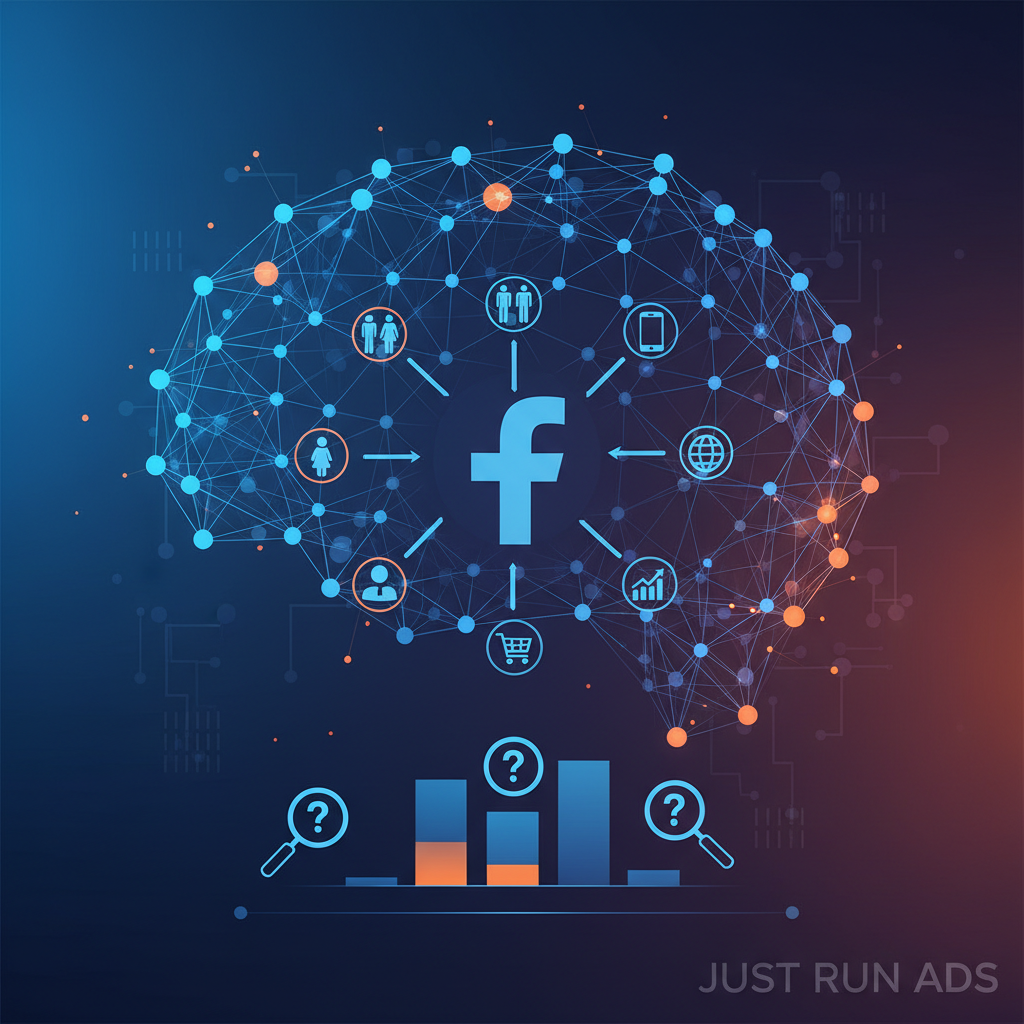
Are your Facebook ads not converting as expected? You might be missing a crucial step in your strategy: audience testing. Learning how to test Facebook ad audiences for beginners can be the key to unlocking the true potential of your campaigns. By understanding who exactly to target, you can maximize your ad spend and drive the right traffic to your sales page. In this article, we'll dive into effective techniques that simplify this process, ensuring even beginners can harness the power of Facebook ads without the typical trial and error.
Why Audience Testing is a Game Changer
Audience testing might sound daunting, but it's the backbone of successful Facebook advertising. When you test Facebook ad audiences, you’re essentially experimenting to find which groups of people respond best to your ads. For example, if you're advertising a fitness product, knowing that women aged 25-34 in urban areas are more likely to purchase can save you both time and money. This precision targeting is what makes audience testing a vital skill. Without it, your ads might be reaching people who are unlikely to convert, wasting your budget and efforts.
To put this into perspective, imagine you're a small business owner launching a new online fitness course. You decide to advertise on Facebook but end up showing your ads to a broad audience, including people who have no interest in fitness. By the time you realize your mistake, you've spent a significant chunk of your budget. Audience testing could have redirected those funds to engage people more likely to enroll in your course, boosting your ROI.
Step-by-Step Guide: How to Test Facebook Ad Audiences for Beginners
Testing Facebook ad audiences for beginners requires a systematic approach. Start by creating multiple ad sets, each targeting a different audience. This allows you to compare performance effectively. Here's how you can get started:
Step 1: Define Your Audience Segments
Begin by brainstorming potential segments you want to target. Consider demographics, interests, and behaviors. Facebook’s Audience Insights tool can help identify these segments by analyzing the existing audience of your page or similar products.
Step 2: Create Separate Ad Sets
Once you have your audience segments, create separate ad sets for each group. Ensure each ad set has a unique identifier so you can easily track which audience is performing better.
Step 3: Monitor Performance
Run your ads and monitor the performance metrics such as CTR (Click Through Rate), CPC (Cost Per Click), and conversion rates. Facebook's Ads Manager provides detailed insights that can help you determine which ad set is delivering the best results.
By following these steps, you'll start to notice patterns in how different audiences respond to your ads, enabling you to refine and optimize your targeting over time.
Using Tools and Data to Enhance Audience Testing
Leveraging tools and data can make audience testing more efficient and effective. Facebook's Lookalike Audiences feature is a powerful tool that helps you reach people similar to your existing customers. By uploading a customer list or using pixel data, Facebook can find users with similar profiles likely to be interested in your offerings. For instance, if you have a successful campaign targeting pet owners, you can create a lookalike audience to expand your reach without losing the precision of your targeting.
Another useful tool is Facebook Analytics, which provides in-depth data not just about how your ads are performing, but also about the behaviors and preferences of your audience. This data can help you refine your audience segments further and target them with more personalized ads. Remember, the more precise your targeting, the better your conversion rates will be.
Common Mistakes to Avoid When Testing Facebook Ad Audiences
Even the most experienced marketers can make mistakes when testing Facebook ad audiences. One common error is not allowing ads to run long enough before making changes. Facebook’s algorithm needs time to learn and optimize your ads, so making adjustments too quickly can disrupt this process and lead to inaccurate results. Another pitfall is testing too many variables at once, making it difficult to determine which factor is impacting performance.
Avoid these mistakes by keeping your tests simple. Focus on one variable at a time — whether it’s the audience, ad creative, or placement — to isolate its effects. Moreover, ensure you give your ads enough time to gather data before making decisions. This patience can lead to more meaningful insights and better results in the long run.
Advanced Tips: Scaling Your Facebook Ads with Audience Testing
Once you’ve mastered the basics of audience testing, you can move on to scaling your Facebook ad campaigns. Scaling involves increasing your ad spend or expanding your audience without sacrificing performance. To do this effectively, consider gradually increasing your budget on winning ad sets to maintain stability. Suddenly raising your budget can lead to a drop in performance as Facebook’s algorithm readjusts.
Another advanced technique is to continuously refresh and test new audience segments. The market can change quickly, and what worked a few months ago may not be as effective now. Regularly revisiting your audience strategy ensures you’re adapting to these changes and capturing new trends. For more insights on boosting your video conversion rates, check out our post on Boost Video Sales Conversion Rates Effectively with These Tips.
What is the importance of audience testing in Facebook ads?
Audience testing is crucial because it helps identify which groups respond best to your ads. This ensures you're spending your ad budget efficiently by targeting those most likely to convert, ultimately increasing your ROI.
How do Facebook Lookalike Audiences work?
Facebook Lookalike Audiences allow you to reach new people who are similar to your existing customers. By using data from your customer list or website traffic, Facebook identifies users with similar profiles for targeted advertising.
How long should I run my ads before making changes?
It’s advisable to let your ads run for at least a week before making adjustments. This duration allows Facebook’s algorithm to learn and optimize for better performance, providing more reliable data for decision-making.
What should I avoid when testing Facebook ad audiences?
Avoid testing too many variables simultaneously and making changes too quickly. These can confuse the targeting process and lead to misleading results. Focus on one variable at a time for clearer insights.