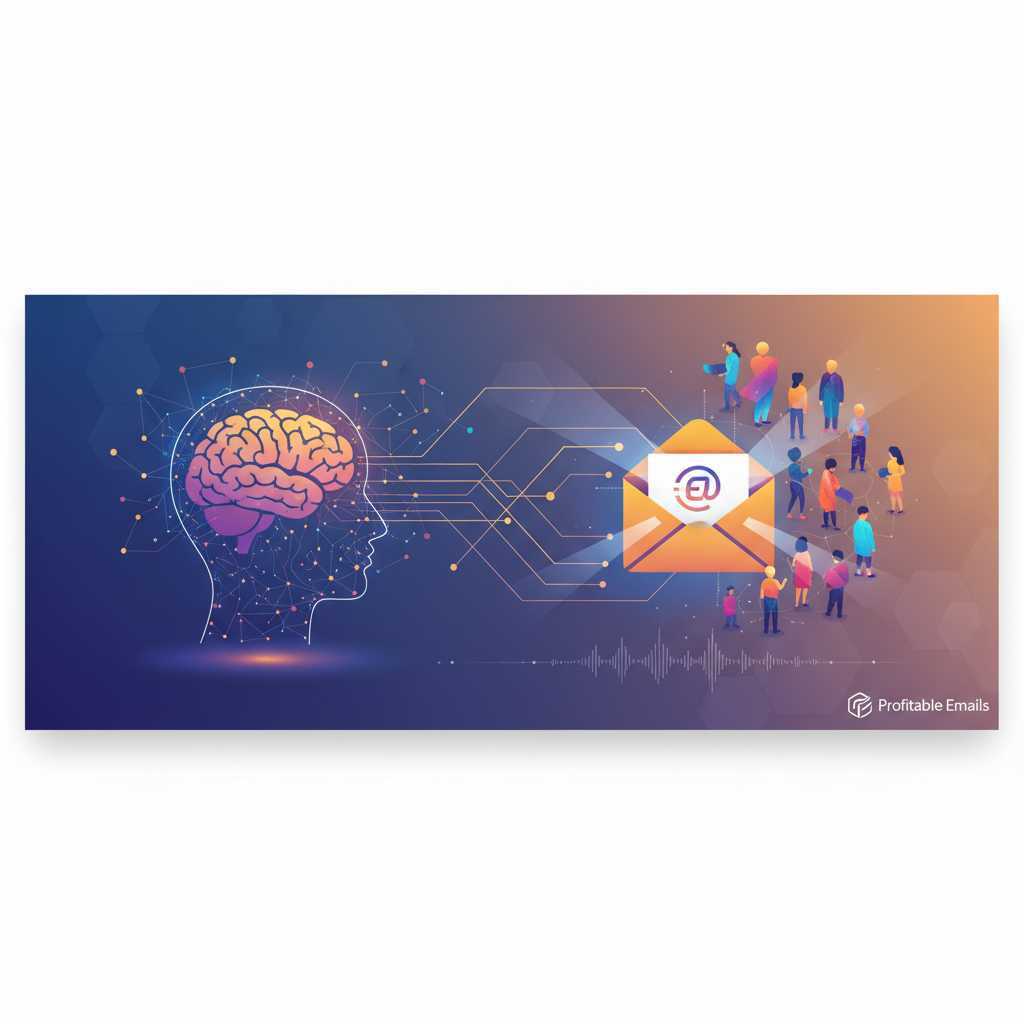
Have you ever sent an email campaign that you thought was perfect, but it barely received any open rates? This is a common scenario for many marketers, revealing a critical issue in email marketing—the lack of genuine audience connection. Understanding why audience connection matters in email marketing is pivotal to creating messages that resonate and engage. In this post, we’ll explore how building a meaningful rapport with your subscribers can dramatically affect the success of your email marketing efforts.
Understanding the Importance of Audience Connection
In the digital age, where inboxes are flooded with promotional content, standing out requires more than just flashy designs or catchy headlines. It’s about creating a personalized experience that speaks directly to the recipient. Building a connection with your audience involves understanding their needs, preferences, and pain points. Consider a scenario where two companies send out identical promotional emails for the same product. Company A targets everyone on their list, while Company B segments their list based on past purchase behavior and personalizes their message. Company B is likely to see better engagement because they’ve taken the time to understand their audience’s unique needs.
A connection with your audience transcends the basic transactional relationship typical of many marketing campaigns. When recipients feel that an email is crafted with their interests in mind, they are more likely to open it, engage with the content, and respond positively to calls to action. According to a study by Experian, personalized emails deliver six times higher transaction rates, underscoring the need for a strategic approach to audience connection. Moreover, email marketing that prioritizes audience connection is not only more effective but also more sustainable, fostering long-term relationships and brand loyalty.
Crafting Personalized Email Content
Personalization is more than just inserting a subscriber’s first name into your emails. It's about tailoring the content to the interests and behaviors of your audience. Start by segmenting your email list based on demographics, purchase history, or engagement levels. Use dynamic content to ensure each subscriber receives messages that are relevant to them. For instance, if a subscriber recently purchased a product, you could send follow-up emails with tips on how to use it effectively. This approach not only increases engagement but also fosters trust, as subscribers feel valued and understood.
Diving deeper into personalization involves leveraging user data to craft messages that anticipate the needs of your audience. For example, Netflix uses advanced algorithms to recommend shows and movies based on individual viewing habits, creating a truly personalized experience. This principle can be applied in email marketing by analyzing user behavior data to predict what content will resonate with specific segments of your audience. By using predictive analytics, you can send product recommendations that align with past purchases or browsing history, increasing the likelihood of conversion.
Another critical aspect of personalization is timing. Sending the right message at the right time can significantly impact engagement rates. Consider the case of a travel company that sends targeted offers just as subscribers begin planning their vacations. By understanding the timing of their audience's buying cycle, they can increase the relevance of their emails, which translates into higher open and click-through rates.
Why Audience Connection Matters in Email Marketing: Tools and Techniques
Utilizing the right tools can significantly enhance how you connect with your audience. Email automation platforms like Mailchimp or Constant Contact offer advanced segmentation and personalization features. These tools allow you to automate personalized email sequences based on user behavior, ensuring timely and relevant communication. Moreover, integrating customer feedback tools can provide valuable insights into what your audience likes or dislikes, helping you tailor your strategies accordingly. A deeper audience connection often leads to increased open rates, click-through rates, and ultimately, higher conversion rates.
In addition to automation platforms, consider using customer relationship management (CRM) systems to maintain a comprehensive view of your subscribers. CRM systems like Salesforce or HubSpot can integrate with your email marketing platform, providing a unified dashboard for analyzing customer interactions and behaviors. This integration enables you to execute more informed marketing strategies, as you can draw from a wealth of customer information to tailor your messages effectively.
Another powerful technique involves using AI-driven analytics. These tools can help you analyze vast amounts of data to identify patterns and trends in subscriber behavior. AI can predict the optimal times to send emails, suggest subject lines that are likely to generate higher open rates, and even automate the segmentation process. By leveraging AI, you can make data-driven decisions that enhance the personalization and effectiveness of your email campaigns.
Avoiding Common Email Marketing Mistakes
One of the biggest mistakes in email marketing is treating it as a one-size-fits-all strategy. Sending generic emails to your entire list without considering individual preferences often results in low engagement rates. Additionally, overloading subscribers with too many emails can lead to increased unsubscribes. To avoid these pitfalls, focus on quality over quantity. Regularly analyze your email performance metrics and adjust your strategy based on what works best. For more tips on improving email engagement rates, check out our detailed guide on improving email engagement effectively.
It’s crucial to ensure that your emails are not only personalized but also provide value to the reader. This means focusing on delivering content that is informative, entertaining, or offers a clear benefit to the recipient. For example, a clothing retailer might send style tips along with their seasonal promotions, adding value and encouraging engagement beyond simple sales pitches.
Another common mistake is neglecting mobile optimization. With over 50% of emails being opened on mobile devices, ensuring your emails are mobile-friendly is critical. This includes using responsive design, keeping subject lines concise, and ensuring that CTAs are easily clickable with a finger. Testing your emails on various devices before sending can help you catch any formatting issues that might affect the mobile experience.
Advanced Strategies for Scaling Email Connection
Once you’ve mastered the basics, scaling your efforts can lead to even greater success. Consider implementing A/B testing to determine which content resonates best with your audience. Experiment with different subject lines, email formats, and call-to-actions to see what drives the best results. Additionally, leveraging AI-driven analytics can provide deeper insights into subscriber behavior, allowing for more sophisticated targeting and personalization. By continually refining your approach, you can create a sustainable email marketing strategy that not only boosts engagement but also strengthens customer loyalty.
A/B testing can be a game-changer in understanding what your audience responds to. By testing different elements of your emails—such as the subject line, sender name, or even the layout—you can gain insights into what drives engagement. For instance, you might find that a casual tone in your subject lines drives higher open rates compared to a formal tone. These insights can then be applied to future campaigns to enhance performance.
Moreover, scaling your email marketing efforts involves utilizing advanced analytics to segment your audience more precisely. As your subscriber list grows, it becomes increasingly important to maintain relevance through strategic segmentation. Advanced tools can help identify key segments based on criteria such as lifetime value, buying frequency, or engagement levels, allowing you to tailor your messages with greater precision.
Additionally, consider integrating social proof into your emails to reinforce your brand's credibility. Share testimonials, reviews, or user-generated content to build trust and influence purchasing decisions. When subscribers see that others have had positive experiences with your brand, they are more likely to engage and convert.
Related: You might also find this useful: How Personal Communication Enhances Email Marketing Success
How can I segment my email list effectively?
Effective segmentation involves dividing your email list into smaller groups based on specific criteria such as demographics, purchase history, or engagement levels. This enables you to send personalized content that resonates with each segment, improving overall engagement.
What are some tools to enhance email personalization?
Tools like Mailchimp, Constant Contact, and HubSpot offer robust segmentation and automation features that allow for tailored email campaigns. These platforms help in delivering the right message to the right audience at the right time.
What is the impact of audience connection on conversion rates?
A strong audience connection leads to higher engagement, as subscribers are more likely to open and interact with emails that feel relevant and personal. This increased engagement often translates into higher conversion rates and improved sales.
How do I measure the success of my email marketing efforts?
Key performance indicators (KPIs) such as open rates, click-through rates, and conversion rates provide insight into the effectiveness of your email marketing campaigns. Regularly monitoring these KPIs helps in optimizing your strategies for better results.