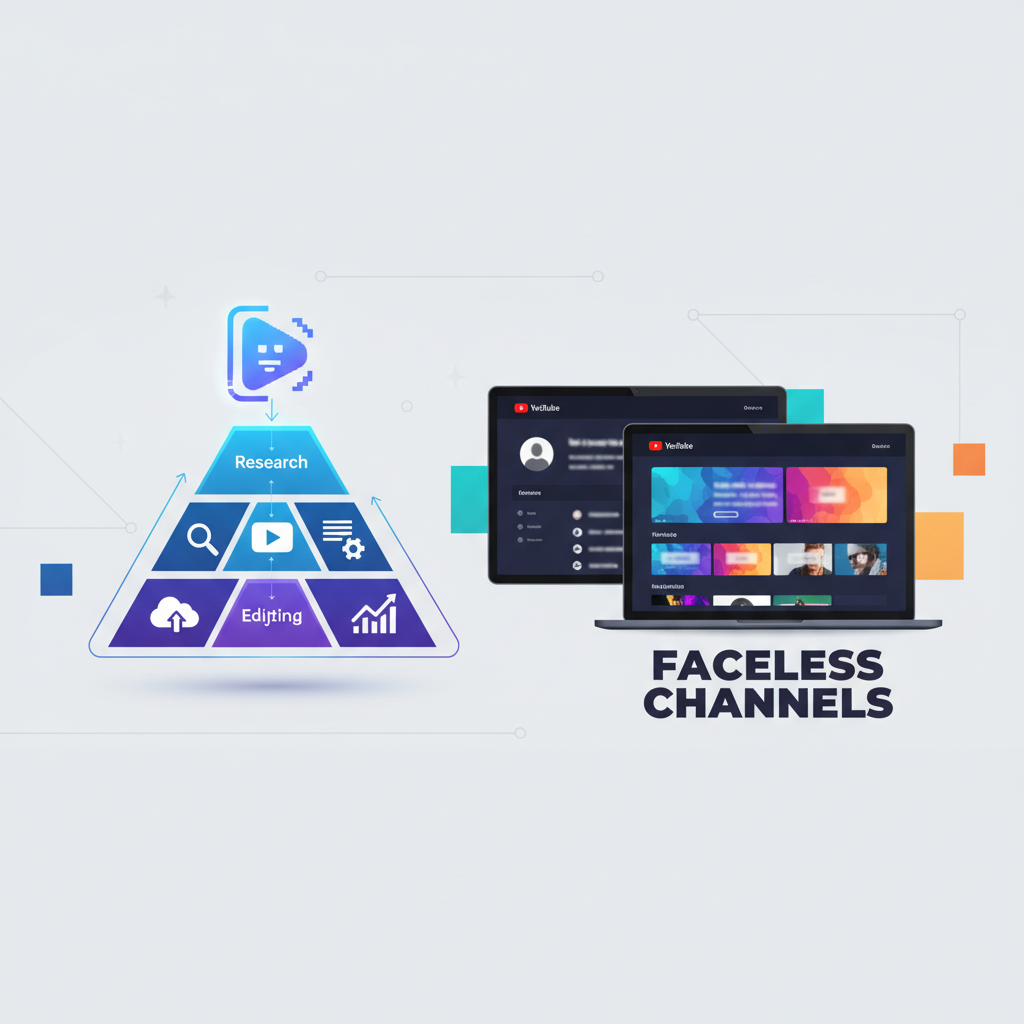
Imagine making thousands of dollars monthly on YouTube without ever appearing in front of the camera. This isn't just a dream; it's a reality for thousands of creators who have mastered the art of building successful faceless YouTube channels. In this step-by-step guide to faceless YouTube success, we’ll explore how you can achieve this level of success with minimal time investment and maximum return. Whether you're new to YouTube or looking to refine your strategy, this guide will provide actionable insights to get you started on the right foot.
Understanding the Concept of Faceless YouTube Channels
Faceless YouTube channels operate on the principle that content, not appearance, is king. These channels focus purely on delivering value through engaging content that doesn't require the creator's presence. Imagine a cooking channel that uses voiceover and animation to walk viewers through recipes, or a tech review channel that uses stock footage and graphics to explain product features. This approach is gaining traction because it allows creators to protect their privacy while still reaching a wide audience. The financial potential is significant; creators can monetize through ads, sponsorships, and product placements without the overhead of being a public figure.
Consider the success of channels like "Chills" and "WatchMojo," which leverage faceless content to accumulate millions of subscribers. They focus on delivering compelling narratives and information rather than relying on charisma or on-screen presence. This is where the opportunity lies: creating quality content that resonates without requiring you to step into the spotlight. With an increasing demand for diverse content, faceless channels fill a unique niche that can be both personally rewarding and financially lucrative.
Step-by-Step Strategy for Building Your Channel
Starting a faceless channel isn't just about staying anonymous; it's about crafting a strategy that allows you to stand out. The first critical step is selecting your niche. Focus on areas where you can offer unique insights or valuable information. Use tools like Google Trends or YouTube Analytics to identify trending topics that match your interests and expertise. Once you have a niche, it's time to create a content plan. Map out your first ten videos, considering not just topics but formats—will you use animations, voiceovers, or stock footage?
Next, tackle the technical setup. Invest in a good microphone for clear audio, and explore software like Adobe Premiere or Final Cut Pro for video editing. To enhance efficiency, consider outsourcing parts of your production process. Platforms like Fiverr or Upwork can connect you with freelancers skilled in animation, editing, or graphic design. By delegating these tasks, you maintain quality while freeing up time to focus on the bigger picture: growing your channel and audience.
Optimizing for YouTube Success
The next step in your journey is mastering YouTube's algorithm to ensure your content reaches the largest audience possible. This involves more than just uploading videos; it's about strategic optimization. Start by crafting compelling titles and descriptions. Use keywords naturally within your descriptions, but avoid stuffing them in—a tactic that can backfire. Instead, make sure your tags are relevant to your content and niche.
Thumbnails play a crucial role in attracting viewers. Consider them your channel's virtual billboard. A/B test different designs to see which gains more clicks, utilizing tools like Canva or PicMonkey for design. Additionally, video length can impact engagement. While longer videos are often favored by the algorithm, they must maintain viewer interest throughout. For more on optimizing content, explore this guide on analyzing successful videos for engagement.
Common Pitfalls and How to Avoid Them
Without a face to associate with your brand, your content must stand on its own merit. One common mistake is neglecting the importance of a clear and consistent brand voice. This can confuse your audience and dilute the impact of your message. Ensure your scripts, visuals, and audio align with your brand identity and speak to your viewer's interests and needs.
Another pitfall is underestimating the power of analytics. Data is your best friend when it comes to understanding what's working and what's not. Regularly review your channel's analytics to identify trends in viewer behavior and adjust your strategy accordingly. Avoid the trap of producing content based solely on personal preference rather than audience demand. For better insights, consider leveraging AI tools to understand viewer preferences, as discussed in this post on validating business ideas with AI.
Advanced Tips for Scaling Your Channel
Once your channel gains traction, scaling becomes your next objective. This involves expanding your content repertoire and tapping into new income streams. Consider diversifying your content types—perhaps branching into podcasting or creating complementary written content, which can also drive traffic back to your videos. Collaborations with other creators can also introduce your content to fresh audiences without the need for a public-facing persona.
Monetization opportunities expand as your audience grows. Beyond ad revenue, explore options like merchandise, affiliate marketing, and premium content. Such strategies not only boost income but also enhance viewer engagement and loyalty. Keep an eye on industry trends and continuously adapt. By staying ahead of the curve, you ensure long-term relevance and success. For more on creating high-converting offers, visit this guide on short-form offers.
What is a faceless YouTube channel?
A faceless YouTube channel is one where the creator does not appear on camera. Instead, the focus is on content delivered through voiceovers, animations, and visual elements. This allows creators to maintain privacy while engaging audiences.
How do I choose a niche for my faceless channel?
Selecting a niche involves researching areas where you can provide unique content. Consider your interests and expertise, and use tools like Google Trends to identify popular topics. Your niche should balance personal interest and audience demand.
Can I still earn money with a faceless channel?
Absolutely. Faceless channels can be highly profitable through ad revenue, sponsorships, and affiliate marketing. The key is to build engaging content that attracts viewers and keeps them returning, thereby increasing monetization opportunities.
How do I ensure high content quality without appearing on camera?
Quality is maintained through strategic planning and outsourcing. Use professional tools for video production and consider hiring freelancers for tasks like editing and animation. Consistent quality will help build and maintain your audience.