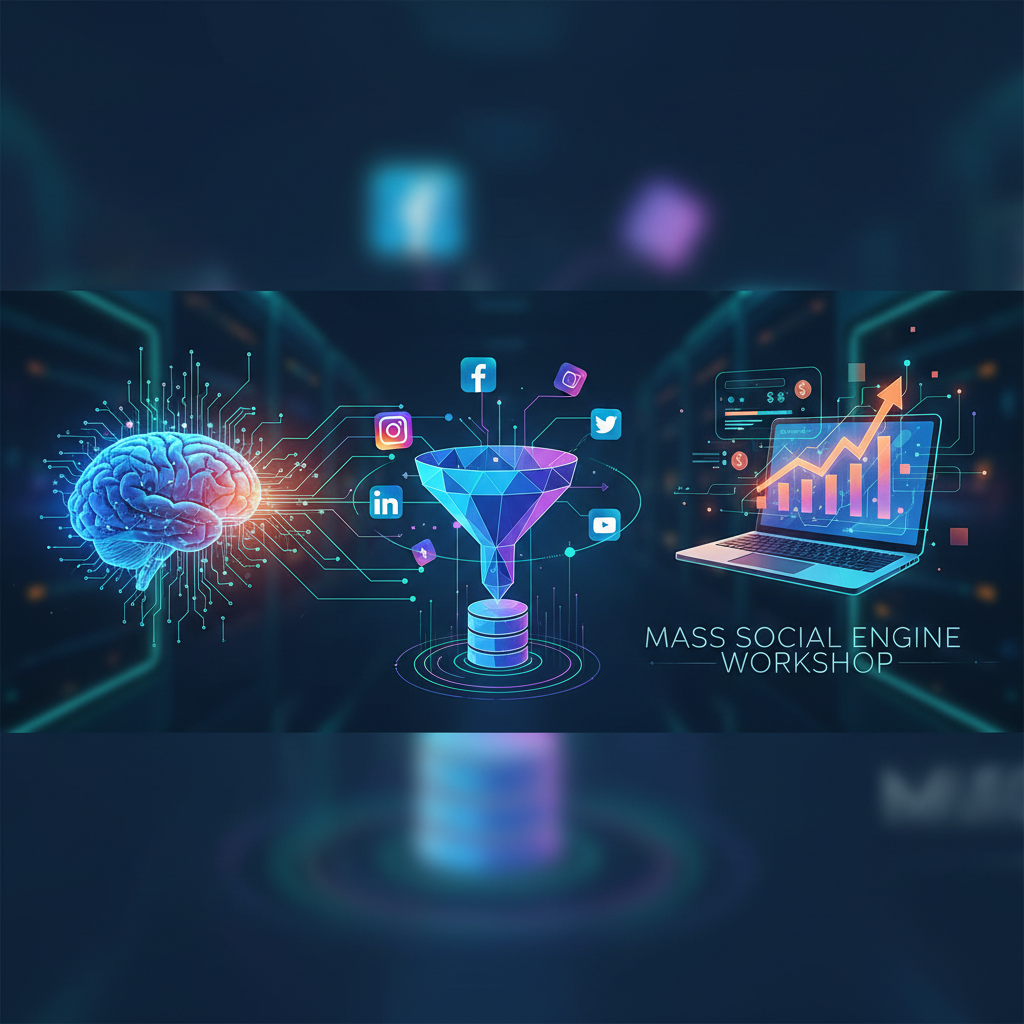
Imagine waking up each day to find new leads in your inbox without lifting a finger. This isn't just a fantasy—it's the reality for marketers who automate social media marketing and lead generation with AI. The digital landscape is crowded, but automation tools and AI technology can help you stand out by managing repetitive tasks and allowing you to focus on creative strategies. Let's explore how you can streamline your marketing efforts using these powerful technologies.
Understanding the Power of Automating Social Media Marketing
Social media has become an indispensable tool for businesses, with billions of users across platforms like Facebook, Instagram, and LinkedIn. Engaging with such a vast audience manually can be overwhelming and inefficient. Automating social media marketing allows you to maintain a consistent online presence while freeing up time to focus on more strategic tasks.
Consider a small business owner juggling multiple responsibilities. Spending hours daily on social media isn't feasible. Automation can take over scheduling posts, engaging with your audience, and analyzing results, offering a comprehensive solution to this problem. For instance, tools like Buffer and Hootsuite can schedule your content to go live at optimal times, ensuring your message reaches your audience when they're most active. AI-powered bots can interact with users, sparking conversations and maintaining engagement without constant manual input, which is crucial for maintaining an active social media presence even outside of business hours.
Moreover, AI tools can analyze data to provide insights into what type of content resonates most with your audience. This means you can refine your social media strategy based on real-time data, ensuring your efforts are always aligned with audience preferences and trends. As a result, automation not only saves time but also enhances the effectiveness of your social media campaigns.
Step-by-Step Strategy to Automate Lead Generation
Lead generation is the cornerstone of any successful marketing strategy. With AI, you can automate this process, guaranteeing a consistent flow of potential customers. Begin by pinpointing your target audience and crafting tailored content that speaks directly to their needs and interests. AI tools can then distribute this content effectively across platforms, ensuring it reaches your intended audience without manual effort.
Next, deploy lead magnets like free e-books, exclusive webinars, or discount codes to entice users to share their contact information. Automated tools track these interactions and nurture leads through personalized email sequences. For example, setting up an automated sequence in Mailchimp or ActiveCampaign can guide prospects through a journey designed to convert them into loyal customers, all with minimal human intervention. These sequences can be personalized based on user behavior and preferences, ensuring each lead receives content that is relevant and engaging.
AI tools also help in scoring leads based on their interactions with your brand, enabling you to prioritize those more likely to convert. This means you can allocate resources efficiently, focusing your efforts on high-potential leads while automation continues to nurture others. This strategic approach not only enhances lead generation but also improves conversion rates, ultimately boosting your bottom line.
Enhancing Efficiency with AI Tools
AI tools like ChatGPT and ManyChat can revolutionize your social media and lead generation efforts. These platforms enable the creation of smart chatbots that handle customer inquiries, qualify leads, and even complete sales. By integrating these tools into your marketing strategy, you achieve a level of efficiency that manual processes simply can't match.
For example, ManyChat can be integrated with Facebook Messenger to automatically engage with users, answer their questions, and collect valuable insights about their preferences and behaviors. This engagement is not just passive interaction; it's an opportunity to learn from your audience and refine your marketing strategy based on real-time feedback. Using this data, you can optimize your marketing campaigns, resulting in higher conversion rates.
Companies implementing AI-driven solutions often see a significant uptick in user engagement and sales. For instance, Sephora uses chatbots to offer personalized product recommendations, leading to improved customer satisfaction and increased sales. By automating these interactions, businesses can ensure that customer inquiries are resolved quickly, enhancing customer experience and loyalty.
Common Mistakes When Automating Marketing Campaigns
While automation promises efficiency, there are pitfalls to avoid. One common mistake is not personalizing your automated communications. Users can detect generic messages, which can lead to disengagement. Instead, use data-driven insights to tailor messages that resonate with your audience. Personalization can be as simple as using the recipient's name, referencing previous interactions, or offering content based on their preferences.
Another mistake is neglecting to monitor and adjust your automated campaigns. Automation doesn't mean 'set it and forget it.' Regularly analyze performance metrics to ensure your strategy remains effective. This involves tracking open rates, click-through rates, and conversion rates to understand what works and what doesn't. Adjusting your strategy based on these insights can significantly improve your campaign outcomes.
Additionally, over-reliance on automation can lead to a lack of genuine interaction with customers, which can harm your brand reputation. Balance automated processes with human touchpoints to maintain authenticity. For example, while chatbots can handle initial inquiries, more complex customer issues should be transferred to a human representative. This ensures that customers feel valued and heard, enhancing their overall experience with your brand.
Advanced Tips for Scaling Automation Efforts
Once you've mastered the basics of automation, it's time to scale. One way to do this is by integrating your automation tools with CRM systems. This enables a seamless flow of information, ensuring all team members are on the same page regarding lead status and customer interactions. A well-integrated system allows for better tracking, management, and nurturing of leads, ultimately leading to improved customer relationships and sales.
Another advanced strategy is to leverage machine learning algorithms to predict customer behavior. By analyzing historical data, these algorithms can provide insights into future trends, allowing you to adjust your strategies proactively. For example, if data shows a pattern of increased interest in certain products during specific times of the year, you can prepare targeted campaigns in advance. This level of foresight can give you a significant competitive advantage, allowing you to stay ahead of market trends.
Finally, consider expanding your automation efforts to new platforms. If you've had success on Facebook, why not replicate this on LinkedIn or even niche networks? Each platform has its unique audience and requires tailored strategies, but the more channels you conquer with automation, the broader your reach and the more robust your lead generation system becomes. This expansion not only diversifies your audience but also enhances your brand's presence across the digital landscape.
Related: You might also find this useful: Learn How to Automate Social Media Marketing and Lead Generation Processes
Related: You might also find this useful: Automate Social Media Marketing and Lead Generation Effortlessly
Related: You might also find this useful: How to Automate Social Media Marketing and Lead Generation with One Tool
Related: You might also find this useful: How to Automate Social Media Marketing with AI and Bots
Related: You might also find this useful: Automate Social Media Marketing for Lead Generation with AI Tools
How does AI enhance social media marketing automation?
AI enhances automation by handling repetitive tasks, analyzing user data for personalized marketing, and engaging with audiences through chatbots, leading to increased efficiency and effectiveness. By learning from user interactions, AI can fine-tune marketing strategies to better meet audience needs.
What tools are best for automating lead generation?
Tools like Mailchimp, ActiveCampaign, and ManyChat are excellent for automating lead generation. They offer features for creating personalized email sequences, chatbots, and tracking user interactions, all crucial for nurturing leads efficiently and effectively.
Can automation replace personal interaction?
While automation can handle many tasks, personal interaction remains crucial. Balancing automation with genuine human touchpoints ensures customer trust and brand loyalty, demonstrating that your business values customer relationships.
Is it expensive to implement AI in marketing?
Costs vary, but many AI tools offer scalable pricing plans. Investing in AI can lead to long-term savings through increased efficiency and higher conversion rates. It's about choosing the right tools that align with your budget and business goals.