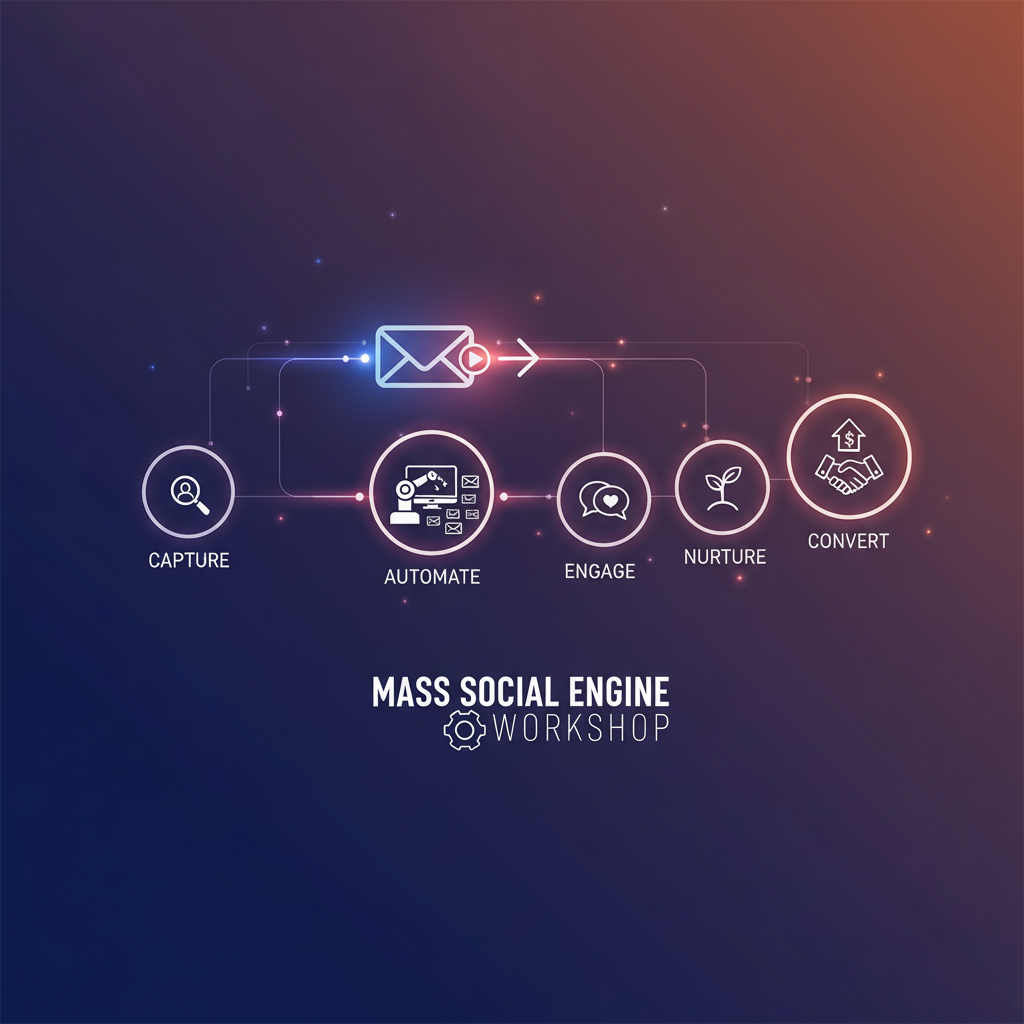
In the fast-paced world of digital marketing, staying ahead of the game means embracing automation. The ability to automate email follow-up strategy for lead conversion can be a game changer for businesses looking to streamline their processes and increase efficiency. Imagine having a system that nurtures your leads into paying customers while you focus on other important tasks. This isn't just a dream—it's an achievable reality with the right strategies and tools. Let's dive into how you can make this happen.
The Importance of Automating Email Follow-Up for Conversions
Email marketing remains one of the most effective ways to turn leads into customers. However, the manual effort required can be overwhelming. Automating your email follow-up strategy not only saves time but also ensures consistency and increases your conversion rates. Email open rates for automated sequences can be up to 70% higher than single send campaigns, according to Campaign Monitor. A well-automated email system can deliver personalized content at the right time, keeping your leads engaged without requiring your constant attention. For instance, imagine a scenario where each new lead receives a tailored sequence of emails based on their interactions with your brand. This targeted approach makes your communication more relevant and effective, much like the strategies outlined in our post on mastering inbox farming conversations.
Furthermore, automation allows for a scale that manual processes can't match. Consider a scenario where a small team must follow up with hundreds of leads manually. This could result in missed opportunities due to human error or oversight. In contrast, an automated system ensures every lead is followed up with in a timely manner, maximizing your chances of conversion. Automation also enables the implementation of advanced strategies such as drip campaigns and behavior-triggered emails, which are proven to significantly increase engagement and sales.
Setting Up Your Automated Email Strategy
Creating an automated email follow-up strategy begins with choosing the right tools. Platforms like Mailchimp, ActiveCampaign, or HubSpot offer robust automation features that cater to various business sizes and needs. Start by segmenting your audience based on their behaviors and interactions, such as website visits, email opens, and link clicks. This segmentation is crucial because it ensures that your emails are relevant to each segment's specific interests and stage in the buying journey.
Next, design a sequence of emails that guides your prospects through the customer journey, addressing their needs and concerns at each stage. A successful sequence might include a welcome email that introduces your brand and values, followed by educational content that addresses common pain points or questions your audience may have. You might then include case studies to demonstrate your product's effectiveness and special offers to entice conversions. Each email should have a clear call-to-action, encouraging the reader to take the next step, whether it's downloading an eBook, signing up for a webinar, or making a purchase. Crafting compelling content is crucial, as discussed in our article on creating educational content.
However, setting up an effective automation sequence requires more than just crafting great content. It involves testing and optimization to ensure the highest possible engagement rates. This might involve A/B testing subject lines, examining open rates, and recalibrating send times to when your audience is most active.
Advanced Tools and Techniques for Email Automation
Once your basic setup is in place, it's time to leverage advanced tools and features to further enhance your email marketing efforts. Consider using AI to analyze recipient behavior and tailor email content dynamically. AI can help by suggesting product recommendations or adjusting sending times for optimal engagement, creating a hyper-personalized experience for your subscribers. In fact, businesses that use AI in their email marketing see a 41% higher click-through rate compared to those that don’t.
Additionally, A/B testing your emails will help you determine what resonates best with your audience. For example, adjusting subject lines, email length, or call-to-action buttons can significantly impact your open and click-through rates. These insights can also inform your approaches on platforms like YouTube, where trends can be analyzed for success, as we explain in our guide on analyzing viral content.
Advanced segmentation techniques also play a crucial role. By utilizing customer data and predictive analytics, you can create more nuanced segments that reflect the unique preferences and behaviors of your audience. This not only improves engagement but also increases the likelihood of conversion as your messages become more relevant and timely.
Common Mistakes When Automating Email Follow-Up
While automation offers tremendous benefits, there are pitfalls to avoid. A common mistake is over-automation, where emails become too generic and lose the personalized touch that engages recipients. It's essential to maintain a balance between automation and personalization to keep your emails engaging. Another error is neglecting to update and refresh your email sequences. As your business evolves, so should your email content. Stale emails can result in disengagement and increased unsubscribe rates. Regularly review and optimize your strategy to ensure it aligns with current customer needs and market trends.
Another common misstep is sending too many emails without considering subscriber preferences. Overloading inboxes can lead to high unsubscribe rates and tarnish your brand's reputation. Instead, focus on delivering value in every email and respect your audience's choices through preference centers where they can select how often they wish to hear from you.
Finally, failing to measure the right metrics can undermine your automation efforts. While open and click-through rates are important, they don't tell the whole story. Track metrics such as conversion rates, customer lifetime value, and engagement over time to get a holistic view of your email strategy's performance.
Scaling Your Automated Email Strategy for Growth
As your business grows, your email strategy should scale with it. This means constantly refining your audience segments and expanding your email sequences to accommodate new products, services, or customer insights. Consider integrating your email system with other marketing tools, such as CRM systems, to create a unified customer experience that reflects every touchpoint of your brand.
Additionally, exploring cross-channel marketing can enhance your reach. For instance, integrating emails with targeted social media ads can reinforce your message and increase conversions. This multi-channel approach ensures that your audience encounters your brand consistently, guiding them seamlessly down the conversion funnel.
Learning how to use upsells can further maximize your email strategy by increasing average purchase value. By offering complementary products or premium services at strategic points in the customer journey, you can boost revenue without acquiring new customers.
Scalability also means being prepared to handle increased volumes without compromising quality. Ensure your infrastructure can support larger email lists and more complex automation sequences. Regular audits and updates to your system will keep it running smoothly as you scale.
Related: You might also find this useful: Master How to Automate Email Follow-Up Process for Lead Conversion
What is an automated email follow-up strategy?
An automated email follow-up strategy involves using software to send scheduled emails to leads based on their interactions and behaviors. This system aims to nurture leads through the sales funnel without manual intervention.
How often should I update my email sequences?
Regular updates are crucial. Aim to review your email sequences every quarter to ensure they remain relevant and aligned with your business goals and customer needs.
Can automation reduce the personal touch in emails?
It's possible if not done carefully. To maintain personalization, use data-driven insights to tailor content and timing, ensuring each email feels personalized and relevant to the recipient.
What tools are best for email automation?
Popular tools include Mailchimp, ActiveCampaign, and HubSpot. These platforms offer comprehensive automation features, making them ideal for businesses of all sizes.