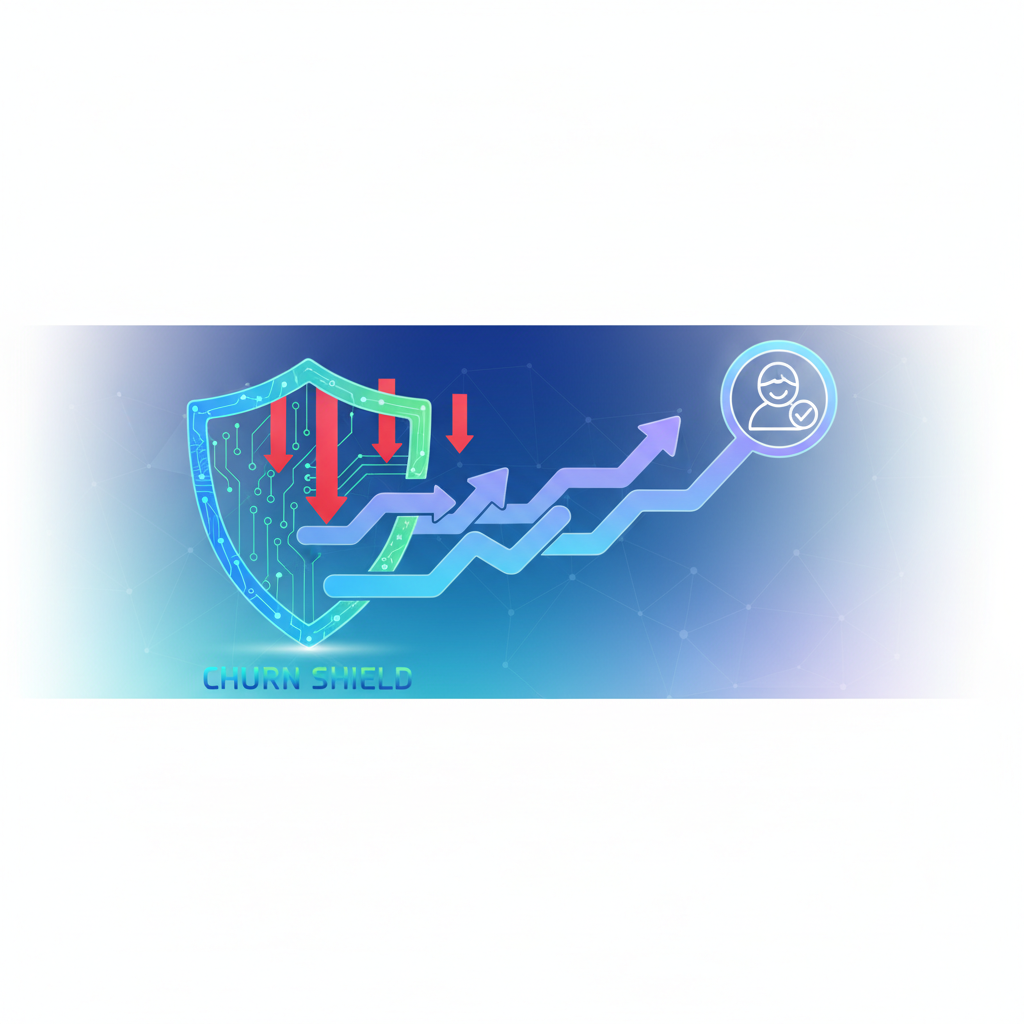
Picture this: You've invested months, maybe years, building your SaaS product. You've poured resources into marketing, and finally, your sign-ups are rolling in. Yet, something's off. Users aren't sticking around. High churn rates are the thorn in your side, threatening your business’s stability. If this sounds familiar, you're not alone. Many SaaS founders face this challenge. The good news? You can learn how to reduce churn in SaaS using onboarding techniques effectively to transform fleeting customers into loyal advocates.
Understanding Churn in SaaS and Why It Matters
Churn rate, the percentage of customers who stop using your service, is a critical metric for SaaS businesses. A high churn rate can cripple growth and revenue. Imagine running a bucket brigade where every member needs to pass the bucket efficiently, but a few drop it each time. That's your revenue flowing out with every churned customer.
To put this into perspective, let's consider a SaaS company like Dropbox. When Dropbox started, it had to face high customer turnover rates. They realized that for every 100 users who signed up, a significant percentage would not convert into paying customers. This high churn rate could have stifled their growth, but they tackled it by creating a seamless onboarding process that emphasized the product's unique value proposition.
Consider a SaaS tool designed to optimize YouTube videos. The tool gains 100 new users, but 50 leave within the first month. With such high churn, scaling becomes nearly impossible. Reducing churn means lower customer acquisition costs and a higher lifetime value, directly impacting your bottom line. Understanding and addressing churn involves recognizing patterns and pain points in the user journey and tackling them head-on with strategies like effective onboarding.
Effective Onboarding Strategies to Reduce Churn
Onboarding is your first real conversation with your customer. It's your chance to make a lasting impression. An effective onboarding process can reduce churn by 50% or more by ensuring new users fully understand and engage with your product.
First, map out your user journey: What tasks should a new user complete to understand your tool's value? Incorporate step-by-step guides, tutorials, or webinars that align with these tasks. For a SaaS product helping users design funnels, provide a guide on designing a 3-step funnel effectively. This kind of targeted content ensures that users don't feel lost and can see immediate value. Remember, the aim is to get them to that 'aha' moment as quickly as possible, where they realize your tool’s benefit to their workflow.
Another key strategy involves using personalized onboarding experiences. Instead of a one-size-fits-all approach, tailor the onboarding experience based on user behavior and needs. For instance, if a user signs up for your mailing automation SaaS, track their interactions and suggest features or tips based on their activity. This personalization creates a sense of relevance and urgency, encouraging deeper engagement with the product.
Using Video Content for Better Customer Engagement
Video content can bridge the gap between curiosity and understanding. It’s engaging, memorable, and can significantly enhance user onboarding. Mastering viral video engagement strategies can be instrumental here.
Consider creating a series of short, impactful onboarding videos. These should cover the core features, delve into common use cases, and highlight customer testimonials. Videos should be clear, concise, and value-driven, helping users navigate your product seamlessly. For example, a SaaS product offering automated tools could create a video showcasing how to optimize YouTube videos with automation tools. This not only educates but reassures users they’ve made the right choice.
Moreover, using advanced video analytics can help you understand how users interact with your videos. Track metrics such as watch duration, engagement rate, and drop-off points. This data allows you to refine your video content to better serve your audience and ensure it resonates with new users.
Common Mistakes in Onboarding and How to Avoid Them
While onboarding can reduce churn significantly, common pitfalls can negate its effectiveness. One major mistake is overloading users with information. This can overwhelm and deter them, leading to higher churn rates.
Avoid this by prioritizing information. Focus on what's most relevant in the initial stages. Start with the essentials that help users experience the core value of your product. Gradually introduce more complex features as they become more comfortable and acquainted with the basics.
Another mistake is neglecting user feedback. Failing to adapt your onboarding process based on user experiences can lead to repeated errors. Use surveys and feedback tools to refine the process continually. Consider implementing regular check-ins through automated emails asking for feedback on their onboarding experience. This not only highlights your commitment to customer satisfaction but also serves as an opportunity to address potential concerns early.
Finally, don’t overlook the power of follow-ups. Ensure your onboarding doesn’t end after the first interaction. Regular check-ins can identify struggling users and offer assistance, preventing them from dropping off. For instance, after a week of inactivity, send a personalized email offering help or additional resources. This proactive approach shows users that you care about their success with your product.
Advanced Tips to Scale Your Onboarding Process
Once the basics are in place, scaling your onboarding process can further reduce churn. Implementing automation tools can streamline operations, allowing you to focus on personalization without a huge resource drain. Consider building an automated customer support system to assist users round the clock, as detailed in this guide.
Additionally, segment your users and tailor the onboarding experience. Not every user needs the same content; by understanding their unique needs, you can offer a more customized onboarding process. For example, group users based on their industry or company size and provide sector-specific tips and use cases. This ensures that your content is always relevant and helpful.
Finally, continuously test and optimize. Use A/B testing to determine what works best in engaging and retaining your users. Experiment with different onboarding flows, messaging, and content to find the most effective combinations. Remember, onboarding is an evolving process, and staying ahead requires constant innovation. Regularly review and update your onboarding strategies based on performance metrics and user feedback.
Related: You might also find this useful: How to Use Onboarding to Reduce Churn Rates Effectively
What is the ideal length for an onboarding process?
An effective onboarding process should be concise yet comprehensive. Aim for a timeline that covers the essential features within the first two weeks while remaining flexible to user needs. However, the onboarding process can extend beyond this period through ongoing education and support.
How can I measure the success of my onboarding process?
Track metrics such as user engagement rates, feature adoption, and churn rates post-onboarding. Surveys and feedback forms can provide qualitative insights. Additionally, monitor how quickly users reach key milestones that correlate with product success.
Can automation harm the personal touch in onboarding?
Automation, when used correctly, enhances onboarding by handling repetitive tasks, allowing your team to focus on personalized interactions where needed. The key is to balance automation with human touchpoints, ensuring users feel valued and supported.
How often should I update my onboarding content?
Regular updates are crucial. Review your onboarding materials quarterly or when there are significant product updates to ensure relevance and accuracy. Keeping content fresh and aligned with user needs enhances the onboarding experience.