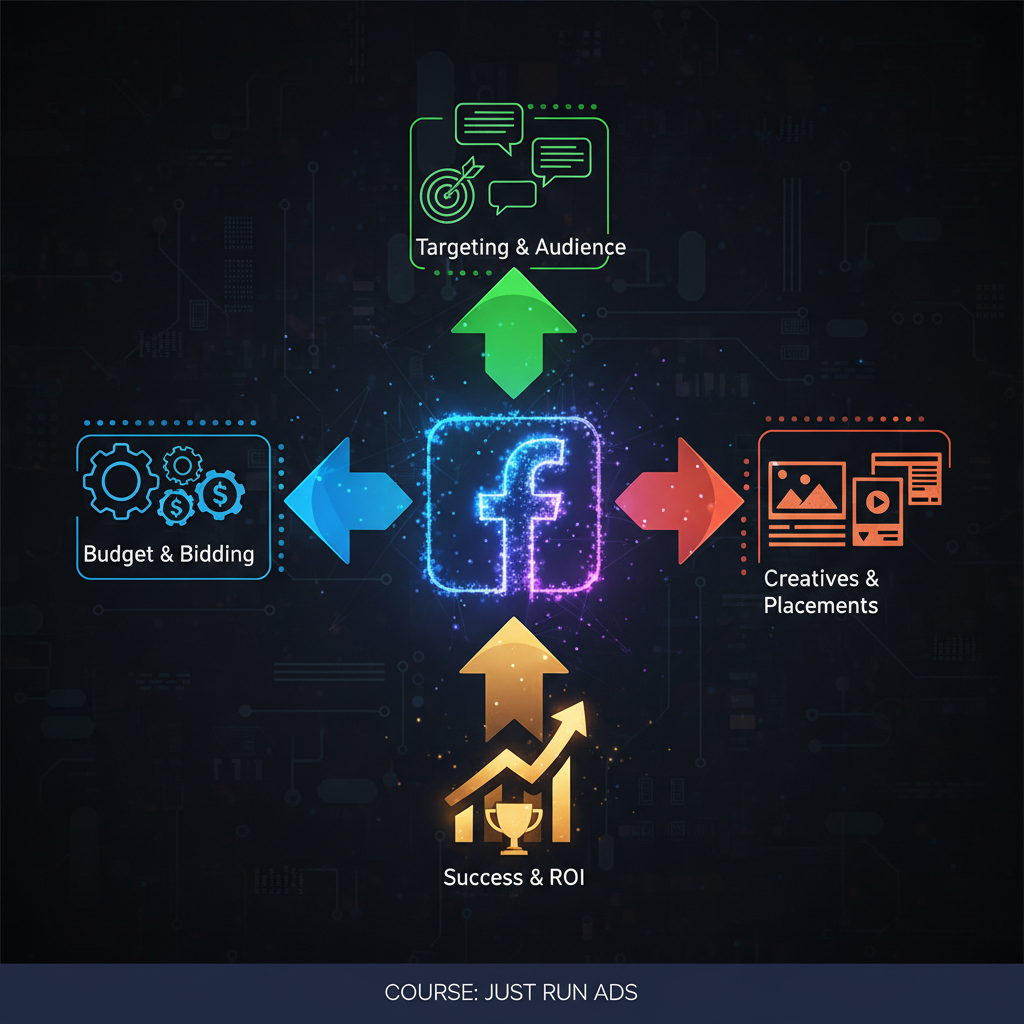
Are you struggling to figure out how to structure Facebook ad campaigns effectively? You're not alone. Many marketers and business owners have been there—pouring money into Facebook ads with little to show for it. The problem often boils down to how the campaigns are organized. When structured correctly, Facebook ads can drive significant traffic to your sales page, resulting in increased sales and revenue. In this post, we'll explore how to get it right from the start, ensuring your campaigns are set up for success.
Understanding the Basics of Facebook Ad Campaign Structure
At the core of Facebook advertising is a structure that's organized into three levels: campaigns, ad sets, and ads. The campaign level is where you define your advertising objective, whether it's to increase traffic, generate leads, or boost conversions. By setting a clear objective, you give Facebook the direction needed to optimize your ads. Imagine you're launching a new product and want to drive traffic to your sales page. Your campaign objective should align directly with this goal, such as 'Traffic' or 'Conversions'.
Ad sets are where you define your audience, placement, budget, and schedule. This level is crucial because your targeting options can make or break your campaign. You can use Facebook's robust targeting capabilities to reach specific demographics, interests, and behaviors. For instance, if your product appeals to young professionals interested in tech gadgets, you can target this group precisely. Finally, the ad level is where you create the actual ad, including the visual components and copy. This is your chance to capture attention and compel users to act, using engaging visuals and persuasive text.
Step-by-Step Strategy to Set Up Your First Campaign
Setting up your first Facebook ad campaign can seem daunting, but breaking it down into steps simplifies the process. Start by clearly defining your objective. Are you looking for clicks, conversions, or something else? Once your goal is clear, you can align your campaign settings accordingly.
Next, dive into audience targeting. Use detailed targeting to narrow down your audience based on demographics, locations, interests, and behaviors. Facebook's Audience Insights tool can be invaluable here, offering data to refine your targeting strategy. Decide where your ads will appear, whether it's on Facebook's news feed, Instagram, or both. Each platform has unique strengths, so choose based on where your audience spends their time.
Budgeting and scheduling are the next vital steps. Choose between a daily budget or a lifetime budget and set a schedule that aligns with when your audience is most active. This ensures your ads are shown at the most impactful times, optimizing your chances of achieving your campaign goals.
Evaluating and Testing Your Ad Sets
Once your ads are live, the work isn't over. To structure Facebook ad campaigns effectively, constant evaluation and testing are crucial. Start by monitoring the performance of your ad sets. Are they meeting your goals? Use Facebook's Ads Manager to track key metrics like click-through rates (CTR), cost per click (CPC), and conversion rates.
Testing is where you can refine and improve your results. Implement A/B testing, also known as split testing, to compare different versions of your ad creatives, headlines, and call-to-actions. For example, you might test two versions of your ad to see which image resonates more with your audience. Based on the results, optimize your campaigns by adjusting your targeting or modifying your creatives for better performance.
Common Mistakes to Avoid When Structuring Your Campaigns
Even the best marketers can fall into common traps when structuring Facebook ads. One frequent mistake is setting overly broad target audiences. While it might seem beneficial to reach more people, it's often more effective to target a specific niche that aligns with your product or service. Doing so increases the relevance and effectiveness of your ads.
Another common error is neglecting the importance of mobile optimization. With the majority of Facebook users accessing the platform via mobile devices, ensuring your ads are mobile-friendly is crucial. This includes using images and text that are easily viewable on smaller screens and ensuring that your landing page is mobile-responsive.
Finally, don't forget to set up conversion tracking through Facebook Pixel. This powerful tool helps you measure the effectiveness of your advertising by understanding the actions users take after seeing your ads.
Advanced Tips for Scaling Your Facebook Ads
Once you've established a solid foundation, the next step is scaling your Facebook ads for greater impact. Start by increasing your budget gradually. Jumping from a small budget to a large one too quickly can disrupt Facebook's ad delivery system, affecting performance negatively.
Expand your audience targeting by creating lookalike audiences. Facebook's algorithm can identify new potential customers who share similar characteristics with your existing audience, thereby expanding your reach effectively. Additionally, try diversifying your ad creatives to keep your audience engaged and avoid ad fatigue. For inspiration, consider exploring how brands create viral content, as detailed in this guide on finding viral content ideas.
Use these advanced strategies to leverage the full potential of Facebook advertising, turning your campaigns into powerful tools for business growth.
Related: You might also find this useful: How to Manage Facebook Ad Budgets Effectively for Success
Related: You might also find this useful: How to Optimise Facebook Ad Audience Targeting for Success
Related: You might also find this useful: Mastering How to Structure Facebook Ad Sets Effectively
Related: You might also find this useful: How to Scale Facebook Ad Campaigns Quickly and Effectively
Related: You might also find this useful: How to Structure Facebook Ad Campaigns for Beginners
Related: You might also find this useful: How to Efficiently Test Facebook Ad Campaigns for Success
Related: You might also find this useful: How to Create Facebook Ad Campaigns That Convert Effectively
What is the best budget for starting Facebook ads?
Starting with a small budget, such as $5 to $10 per day, is recommended for beginners. This allows you to test different audiences and creatives without a large financial commitment. As you gather data and optimize your campaigns, you can gradually increase your budget to scale effectively.
How often should I review my Facebook ad campaigns?
Regular monitoring is crucial. Aim to check your campaigns at least once a day. This enables you to quickly identify any performance issues and make necessary adjustments. Regular evaluation helps in maintaining high campaign efficiency and achieving your marketing goals.
What is A/B testing in Facebook ads?
A/B testing, or split testing, involves running two versions of an ad to see which performs better. This could involve testing different images, headlines, or call-to-actions. The goal is to determine which elements drive better engagement, allowing you to optimize your ads for better performance.
How can I use Facebook's Audience Insights?
Facebook's Audience Insights tool provides valuable data about your audience, such as demographics, interests, and behaviors. Use this data to refine your targeting strategy, ensuring your ads reach those most likely to be interested in your product or service. Tailoring your audience based on these insights can significantly improve ad performance.