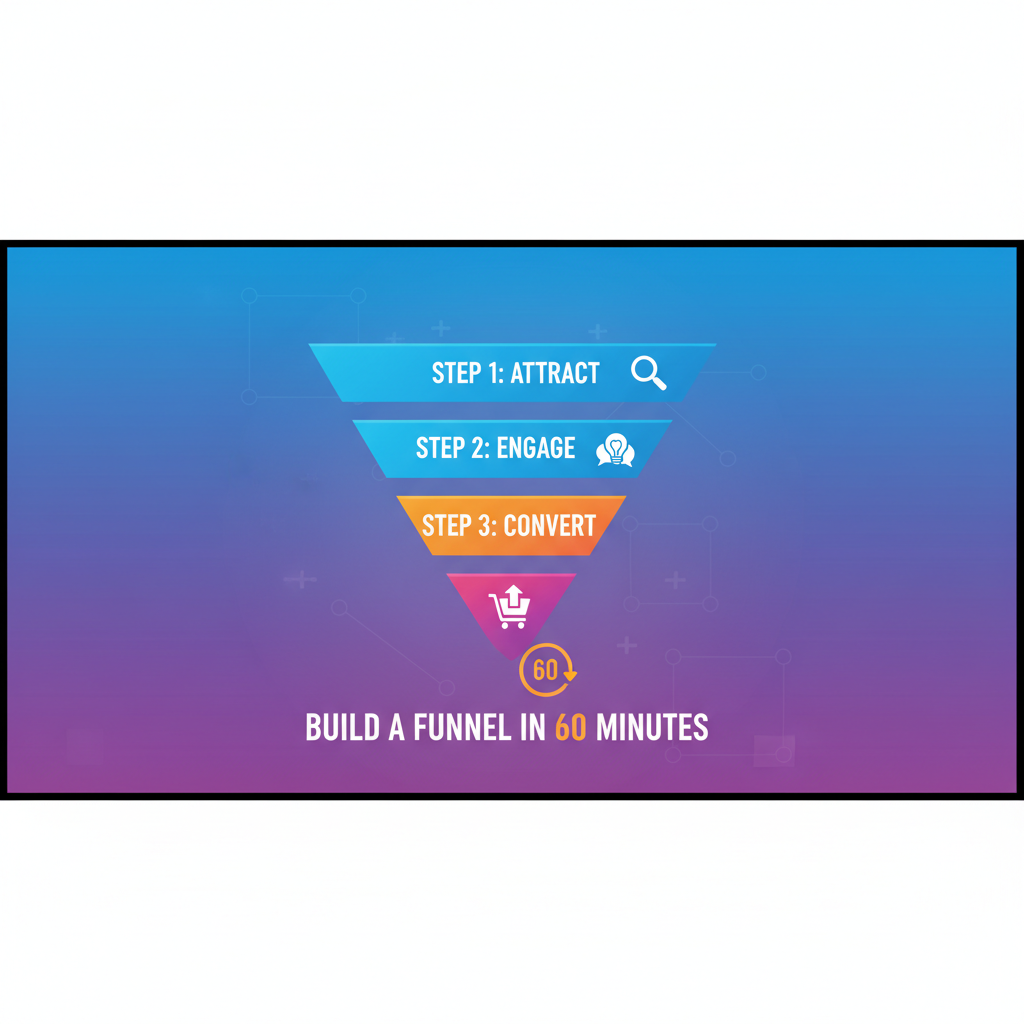
In today's fast-paced digital landscape, understanding how to quickly create a simple 3-step sales funnel can be a game-changer for your business. Many entrepreneurs and marketers grapple with creating effective funnels that convert visitors into customers. The main challenge? Most people overcomplicate the process, wasting time and resources. Imagine if you could build a functional funnel in just an hour, enhancing efficiency and boosting sales. That’s not just wishful thinking—it's entirely possible with the right approach and tools, and we're here to guide you through the process.
The Importance of a Simple 3-Step Sales Funnel
A 3-step sales funnel essentially maps out a customer's journey from awareness to purchase. Think of it as a structured path that guides potential customers through understanding your product or service, engaging with your brand, and finally, making a purchase. Why does this matter? A well-structured funnel optimizes your marketing efforts and increases conversions. For example, an online fitness coach might use a funnel to guide new leads from discovering the benefits of their program to signing up for a free trial, and eventually converting into paying subscribers. This structured approach ensures that each prospect receives the right message at the right time, thereby reducing friction in the buying process.
A streamlined sales funnel not only saves time but also aligns with how customers make purchasing decisions. According to a report by Salesforce, 79% of customers expect consistent interactions across various departments of a business. A simple funnel ensures that your message remains consistent, guiding prospects seamlessly through the stages. Consider the journey of a potential customer discovering a new skincare brand. Initially, they might see an engaging social media post (Awareness), leading them to read a blog post about skincare tips (Consideration), and finally receive a personalized email offer for a trial pack (Conversion). This clear, logical progression caters to the modern consumer's desire for information and value before committing to a purchase, thus enhancing conversion rates.
Step-by-Step Strategy to Build Your Funnel
Creating a funnel doesn’t have to be complex. Start with identifying the core steps: Awareness, Consideration, and Conversion. First, attract your audience using targeted ads or engaging social media content. Use this opportunity to offer value, like a free eBook or a webinar, which helps capture leads’ attention. The consideration stage involves nurturing these leads through email sequences that address their pain points and offer solutions. Finally, the conversion phase is where you present the core offer, complete with testimonials and a strong call-to-action. This guide on building effective funnels quickly offers additional insights into mastering this process.
Let’s break it down further:
1. Awareness Stage
This is where potential customers first learn about your brand. The goal here is to attract as many relevant prospects as possible. Utilize platforms where your target audience spends their time. For instance, if you're targeting millennials, Instagram and TikTok might be your best bets. Create engaging content that either educates or entertains. According to HubSpot, 53% of marketers say blogging is their top content marketing priority, indicating the effectiveness of educational content in attracting leads.
2. Consideration Stage
At this point, you've captured their interest; now, you need to nurture it. Send personalized emails that address the specific needs and pain points of your leads. Create content that dives deeper into your offerings—think detailed guides or case studies. This is about building trust and positioning your product as the ideal solution to their problem. As per a study by Demand Gen Report, 47% of buyers view 3 to 5 pieces of content before engaging with a sales representative, highlighting the importance of providing ample valuable content during this stage.
3. Conversion Stage
This is the make-or-break point of your funnel. Ensure your call-to-action is clear and compelling. Use social proof like testimonials and case studies to reassure prospects of your product's value. Offer limited-time discounts to create urgency. According to a study by WordStream, emails with a single call-to-action increased clicks by 371% and sales by 161%, underscoring the power of a targeted, singular message.
Leveraging Tools for Speed and Efficiency
In the digital age, various tools can help streamline your funnel creation. Platforms like ClickFunnels or Leadpages offer pre-built templates that can be customized to fit your brand, saving you valuable time. Email marketing services like Mailchimp or ConvertKit can automate your nurture sequences, ensuring consistent communication with your leads. Consider incorporating automation tools to enhance your customer service, as discussed in this comprehensive guide. By integrating these tools, you not only accelerate the funnel-building process but also optimize the overall efficiency of your marketing efforts.
Consider using A/B testing tools like Optimizely to refine your funnel components. Testing different headlines, layouts, and calls-to-action can yield significant improvements in conversion rates. For instance, a simple change in color or wording of a CTA button can increase click-through rates by up to 320%. Additionally, analytics platforms like Google Analytics or Hotjar can provide insights into user behavior, helping identify drop-off points in your funnel. Using these insights, you can make data-driven decisions to enhance user experience and boost conversions.
Avoiding Common Funnel Mistakes
While building your funnel, be wary of potential pitfalls. One common mistake is overwhelming prospects with too much information upfront, which can deter them from progressing further. Keep your messaging clear and concise, focusing on how your product or service solves specific problems. Another error is neglecting to test and tweak your funnel. Regularly analyze your funnel’s performance metrics, such as conversion rates and lead engagement, to identify areas for improvement. Remember, even small tweaks can lead to significant improvements in your funnel’s effectiveness.
Additionally, don't overlook the importance of mobile optimization. With over 50% of web traffic coming from mobile devices, ensuring your sales funnel is mobile-friendly is crucial. A slow or unresponsive mobile experience can cause potential customers to drop off before converting. Moreover, neglecting follow-ups can be a costly mistake. Studies show that 44% of salespeople give up after one follow-up, yet 80% of sales require five follow-up calls. Automate follow-up processes to maintain engagement and increase conversion opportunities.
Advanced Tips for Scaling Your Funnel
Once you’ve built a functional funnel, consider strategies to scale it for greater impact. Utilize A/B testing to refine elements like headlines or CTAs, enhancing your funnel’s conversion rate. Additionally, expanding your reach through partnerships or affiliate marketing can introduce your funnel to new audiences. Leveraging viral content strategies, such as those outlined in this viral SAAS marketing guide, can also amplify your reach and effectiveness. By continuously refining your approach and exploring new channels, you position your business for sustained growth.
Moreover, consider integrating advanced segmentation techniques in your email marketing. By segmenting your audience based on behavior, interests, or demographics, you can send targeted messages that resonate with each segment, thereby increasing engagement and conversion rates. Implementing remarketing strategies can also re-engage users who have interacted with your brand but haven't converted yet. Platforms like Facebook and Google Ads offer remarketing tools that can help remind these potential customers of your offerings, significantly improving conversion opportunities.
Related: You might also find this useful: How to Quickly Create a Facebook Ads Account and Pixel
Related: You might also find this useful: How to Create a Members Area Quickly and Efficiently
Related: You might also find this useful: Learn How to Design a Three Step Funnel Quickly and Effectively
Related: You might also find this useful: Learn How to Use Upsells to Increase Sales Quickly
Related: You might also find this useful: How to Quickly Build a Simple Sales Funnel in 60 Minutes
Related: You might also find this useful: Learn How to Quickly Structure Effective Facebook Ads Today
Related: You might also find this useful: Learn How to Configure Facebook Pixel in Funnel Quickly
Related: You might also find this useful: How to Quickly Create a 3 Step Sales Funnel in Just 60 Minutes
How long does it take to see results from a sales funnel?
Typically, you might start seeing results in as little as a few weeks, depending on your traffic and offer. Consistent testing and optimization can significantly enhance performance over time.
What if my funnel isn’t converting?
If your funnel isn’t converting, review each step for clarity and value. Ensure your messaging aligns with your audience’s needs and consider revising your offers or CTAs for better engagement.
Can I build a funnel without technical skills?
Absolutely! Many platforms offer drag-and-drop builders and pre-designed templates that make it easy for anyone to create a professional funnel without coding.
What’s the cost of building a sales funnel?
The cost can vary based on tools and marketing strategies chosen. Start with free trials to evaluate tools before committing, and focus on platforms that offer the best ROI for your needs.