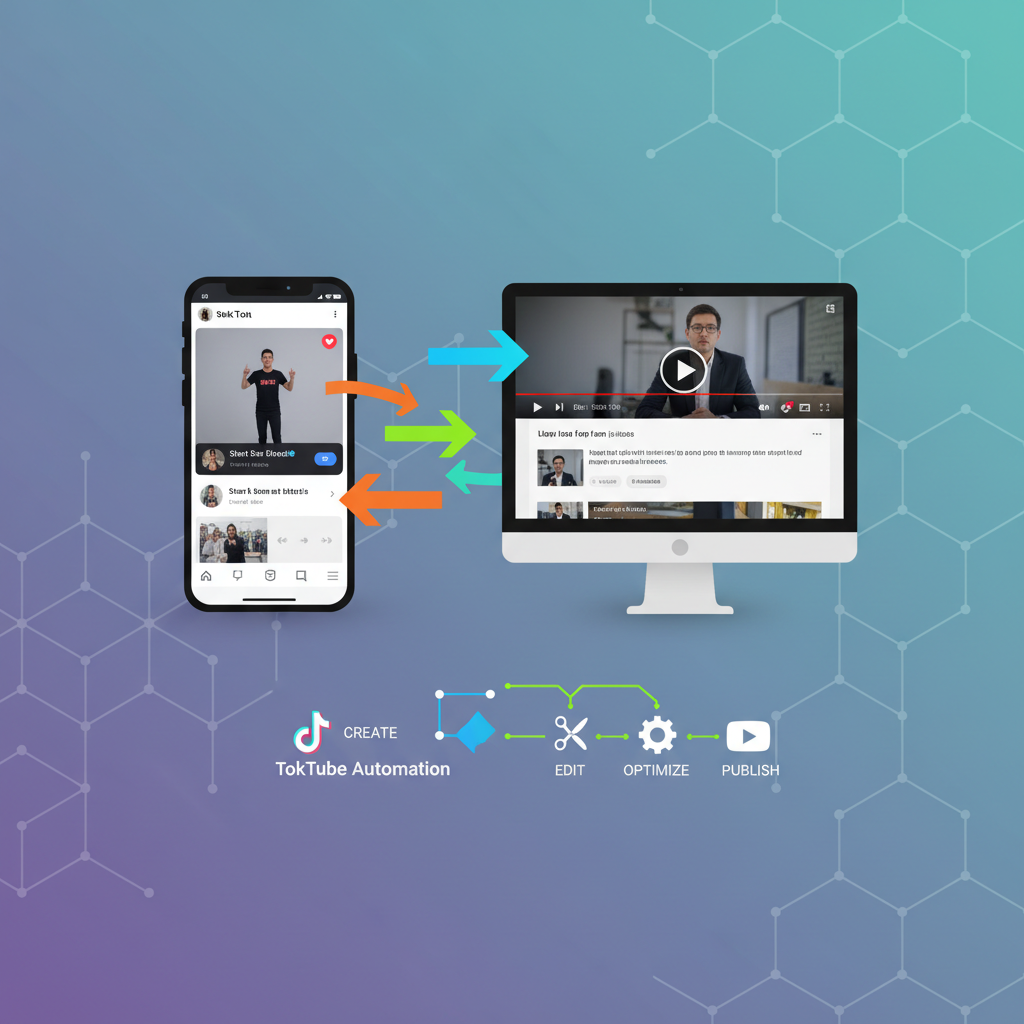
Every creator dreams of expanding their audience, but few realize the hidden potential in their existing content. If you've ever wondered how to repurpose TikTok videos effectively for YouTube success, you're not alone. Many creators struggle with maximizing the reach of their TikTok videos, often leaving potential viewers untapped on platforms like YouTube. This struggle frequently stems from a lack of strategy in transforming short, snappy TikToks into YouTube-friendly formats. Fortunately, with the right approach, your TikTok content can thrive on YouTube, bringing in new subscribers and increasing your brand visibility.
Understanding Video Repurposing: A Game Changer
When it comes to content creation, originality is key, but so is efficiency. Repurposing content isn't about recycling old ideas; it's about transforming them to reach new audiences. Video repurposing, especially from TikTok to YouTube, allows creators to leverage their existing content without starting from scratch. Consider a creator who has a viral TikTok on cooking hacks. By repurposing it into a long-form YouTube tutorial, they can attract viewers who love detailed step-by-step guides. This strategy not only saves time but also breathes new life into your content. With over 2 billion logged-in monthly users on YouTube, the potential for exposure is immense.
Repurposing is a strategic shift from merely creating more content to multiplying the reach of what you already have. Think about how Coca-Cola doesn't just make one commercial and call it a day. They tweak that commercial for various markets, languages, and platforms, ensuring that the same message reaches as many people as possible in a format that resonates. Similarly, by adapting your TikTok videos into formats that suit YouTube's audience, you tap into a vast reservoir of potential viewers. This process also allows for brand consistency across platforms, as viewers can identify your unique style and message regardless of where they encounter your content.
Moreover, repurposing is about optimization. You're not just changing the format; you're enhancing the content. For example, if your TikTok is a quick tip video, expanding it into a YouTube tutorial could involve adding more depth with explanations, additional tips, or even guest appearances. This kind of strategic enhancement not only attracts new viewers but also retains them by providing quality content. Ultimately, successful repurposing hinges on understanding each platform's audience and optimizing your content to meet their expectations.
Repurpose TikTok Videos Effectively for YouTube Success: Steps to Follow
The first step in repurposing your TikTok videos effectively for YouTube success is selecting the right content. Not all TikToks will suit YouTube's platform; some may need tweaking to fit the longer format. Start by choosing videos that performed well on TikTok, as these have proven appeal. Next, enhance the video's quality. TikTok's vertical format may need to be adjusted to YouTube's horizontal preference. Use editing software to add subtitles, transitions, and possibly voiceovers to make the content more engaging. Finally, remember to optimize your video's title, description, and tags for YouTube's search engine. This optimization is crucial for discoverability and tapping into a new subscriber base.
Let's break down these steps further. First, the selection of content is crucial. If a TikTok video has high engagement rates, such as likes, shares, and comments, it's a good candidate for repurposing. Analytics tools on TikTok can help identify which of your videos are top performers. Once you have selected a video, consider how it can be expanded. For instance, a 30-second TikTok can be transformed into a 10-minute YouTube video by delving deeper into the subject, addressing viewer questions, or incorporating additional footage.
Quality enhancement is the next step. You'll need to convert your vertical video to a horizontal format, which is more suitable for YouTube. Editing software like Adobe Premiere Pro or iMovie can help in this transformation. Use these tools to add elements that make your video more engaging, such as background music, animated titles, or engaging transitions. Voiceovers can also be added to provide more context or explanation, enhancing the overall viewer experience.
Optimization for YouTube's search engine cannot be overstated. This step is where many creators falter. Your video's title should be catchy and include keywords that people are likely to search for. Descriptions should provide a summary of the content and include links to your other social media platforms. Tags are equally important; they help YouTube's algorithm understand the content of your video and suggest it to users who might be interested. Tools like TubeBuddy or VidIQ can assist in finding the best keywords and tags for your content.
Strategic Content Alignment: A Cross-Platform Approach
Cross-platform strategy plays a vital role in maintaining a cohesive brand message. This method is crucial for creators aiming to build a loyal audience base across different platforms. Aligning your content strategy means that each piece of content, whether on TikTok or YouTube, supports your overall brand narrative. For instance, if your TikTok series covers quick life hacks, your YouTube channel could host more in-depth explorations of these topics. This alignment not only strengthens your brand but also offers a seamless experience for your audience, encouraging them to engage with your content on multiple platforms.
To implement a successful cross-platform strategy, start by defining your brand's core message. What is it that you want your audience to associate with your brand? Once identified, ensure that your content on all platforms reflects this message. Consistency in messaging helps in building trust and loyalty among your audience. For instance, if your brand is about sustainable living, your TikToks might focus on quick eco-friendly tips, while your YouTube channel could delve into comprehensive guides on living sustainably.
Strategic alignment also involves timing and audience engagement. Understand the best times to post on each platform to maximize reach and engagement. TikTok might have a different peak engagement time compared to YouTube. Use insights and analytics from these platforms to determine when your audience is most active. Additionally, actively engage with your audience by responding to comments and questions. This interaction not only boosts your visibility on these platforms but also builds a community around your brand.
Furthermore, use cross-promotion to your advantage. Direct your TikTok audience to your YouTube channel and vice versa. This can be done by including links in your bio, mentioning your other platforms in videos, or creating special content that spans both platforms, such as a TikTok teaser that leads to a full-length YouTube video. This strategy not only increases your reach but also enhances the viewer's experience by providing content that is consistent but varied in depth and detail.
Common Pitfalls to Avoid When Repurposing Content
While repurposing content offers numerous benefits, there are several common mistakes to be aware of. One major pitfall is failing to adapt content appropriately for different audiences. A TikTok audience might appreciate short, catchy clips, while YouTube viewers often seek more detailed content. Another mistake is neglecting SEO practices. YouTube's algorithm relies heavily on keywords, so failing to optimize titles and descriptions can prevent your videos from gaining traction. Lastly, avoid the temptation to simply upload TikToks to YouTube without any modification. This approach often results in content that feels disjointed and doesn't take full advantage of YouTube's unique platform features.
Let's explore these pitfalls in more detail. Adaptation is a nuanced process. Understanding the cultural and content consumption differences between platforms is key. TikTok users usually expect quick, engaging content, while YouTube's audience is more tolerant of longer videos if they provide value or entertainment. If you simply upload a TikTok video onto YouTube without modification, you risk alienating your audience who expect more depth. Adapt your content to suit the expectations of YouTube's audience by providing more information, context, and storytelling.
SEO is another crucial area often overlooked. Unlike TikTok, YouTube functions as a search engine. This means that your content must be optimized for searchability. Neglecting this can severely limit your video's reach. Research relevant keywords and phrases that your audience is searching for. Incorporate them naturally into your title, description, and tags. This not only helps your video rank higher in search results but also increases the chances of it being suggested alongside similar content.
Finally, when uploading content, make sure it aligns with YouTube's community guidelines and technical requirements. This includes ensuring your video has the correct aspect ratio, resolution, and file size. Using YouTube's built-in features like end screens and cards can further enhance viewer engagement by directing them to other videos or your channel, increasing the likelihood of longer watch times and subscriptions.
Advanced Tips for Scaling Your Video Content Strategy
Once you've mastered the basics of repurposing, it's time to scale your strategy. Consider using analytics tools to track the performance of your repurposed content. Platforms like YouTube Studio provide insights into viewer demographics and engagement metrics, which can guide future content decisions. Additionally, explore automation tools to streamline your content creation process. For instance, you might use tools that automatically convert TikTok formats to YouTube-friendly versions, saving you time and effort. Scaling your strategy not only increases your efficiency but also expands your reach, allowing you to focus on creating more quality content.
To scale effectively, start by setting clear goals and KPIs (Key Performance Indicators) for your content strategy. Determine what success looks like for your brand. Is it more subscribers? Increased engagement? Higher watch time? Setting these objectives will guide your content creation and marketing efforts. Use analytics to track these KPIs and adjust your strategy as needed.
Automation tools can be a game changer here. Tools like Buffer or Hootsuite can automate the scheduling and posting of your content across platforms, ensuring consistent engagement without constant manual input. Furthermore, tools like Lumen5 can help transform text into video, providing an easy way to create new content from existing blog posts or articles.
Consider collaborating with other creators to expand your reach. Cross-promotion and collaborations can introduce your content to new audiences and provide fresh perspectives, enhancing your content's diversity and appeal. Whether it's co-hosting a video or featuring as a guest on another channel, collaborations can significantly boost your visibility and credibility within the community.
Related: You might also find this useful: Mastering How to Repurpose TikTok for YouTube Engagement
Related: You might also find this useful: How to Structure Facebook Ad Campaigns Effectively for Success
Related: You might also find this useful: How to Manage Facebook Ad Budgets Effectively for Success
Related: You might also find this useful: How to Effectively Repurpose TikTok Videos for YouTube Visibility
Related: You might also find this useful: Repurpose TikTok Videos for YouTube Audience Growth Effectively
Related: You might also find this useful: How to Repurpose TikTok for YouTube Monetization Successfully
Related: You might also find this useful: How to Quickly Set Up TokShop for TikTok Success
Related: You might also find this useful: Optimize TikTok Videos for YouTube Algorithms Effectively
Related: You might also find this useful: How to Monetize AI Influencer Videos on TikTok Effectively
What is the best way to choose TikTok videos for YouTube?
Select videos that have already performed well on TikTok. Analyzing engagement metrics such as likes and shares can help identify content with the potential to resonate on YouTube.
How can I ensure my repurposed videos are SEO-friendly?
Optimize your titles, descriptions, and tags with relevant keywords. Use YouTube's search suggestions to find popular search terms related to your content.
Is it necessary to change the video format for YouTube?
Yes, YouTube typically requires a horizontal format, so you may need to adjust your TikTok videos accordingly. Editing software can assist in this transformation.
Can automation tools help with video repurposing?
Absolutely. Automation tools can simplify the process of converting formats and adding elements like subtitles or voiceovers, making your workflow more efficient.