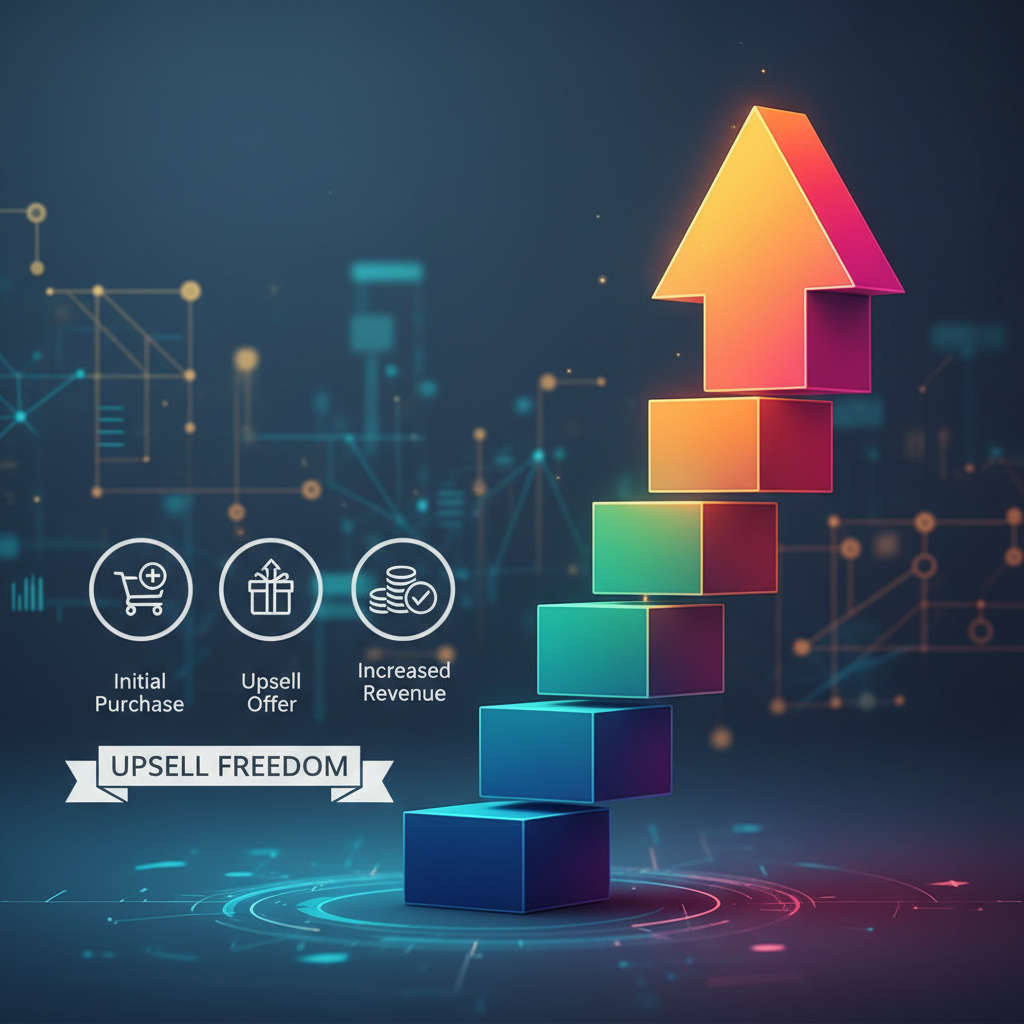
Upsells are a powerhouse for boosting revenue, yet many businesses struggle with how to structure upsells for increased revenue effectively. The process can feel daunting, leading to potential pitfalls that can damage customer trust and overwhelm your audience. But what if there was a way to unlock a seamless, profitable upsell strategy? In this post, we’ll unravel the mystery behind crafting upsells that not only enhance your bottom line but also maintain your reputation. Ready to turn your upsells into a goldmine?
Understanding the Core Concept of Upsells
At its heart, an upsell is about offering your customers a chance to enhance their purchase with additional value. Think about it as the cherry on top of their shopping experience. By offering something they didn’t know they needed, you’re increasing their satisfaction and your profits. But why does this matter? Simply put, upselling can be one of the most effective ways to increase your average order value. For instance, a customer buying a laptop might consider adding an extended warranty or a software bundle when appropriately prompted. A well-structured upsell feels natural and is perceived not as a sales tactic but as a genuine value addition. It’s crucial to learn the art of positioning these offers without overwhelming or confusing the customer, which is where many businesses stumble.
Consider the psychology behind the upsell. When a customer is about to make a purchase, they are in a 'buying mood,' which is the perfect moment to introduce an upsell. This doesn't mean pushing just any product, but rather presenting a relevant item that enhances their initial purchase. For example, Starbucks upsizes coffee orders by suggesting a larger size for just a few cents more. This incremental increase leads to substantial revenue growth over time. Learning from these giants, small businesses can create similar strategies tailored to their products and audience.
The First Actionable Strategy: Timing and Placement
One key to a successful upsell lies in the timing and placement of the offer. Strategically placing an upsell at the right moment can make all the difference. For instance, introducing an upsell right as the customer is about to check out might seem logical, but it can also feel like a last-minute push. Instead, consider embedding upsell opportunities within the shopping journey. For example, when a customer adds an item to their cart, suggest a complementary product at that moment. This approach leverages natural buying momentum. Furthermore, consider placement within your sales funnel. If you're new to building funnels or need a refresher, check out this guide which walks through the basics in just an hour.
Placement is not just about where the upsell appears in the process, but also how it's presented. Take Amazon's approach: they often suggest 'frequently bought together' items. This method capitalizes on social proof and the idea that if others are buying these items together, you should too. It’s subtle yet powerful. Timing is equally crucial. For instance, presenting an upsell immediately after a customer adds an item to their cart can be more effective than waiting until just before payment. This seamless integration keeps the experience fluid and lessens the likelihood of interrupting the purchasing process.
Second Strategy: Tailoring Offers to Customer Needs
Understanding your customer’s needs is paramount. Personalization can dramatically increase the effectiveness of your upsell strategy. It's akin to tailoring a suit—when it fits perfectly, it’s much appreciated. Use data-driven insights to craft offers that feel custom-made. For example, if a customer frequently purchases eco-friendly products, an upsell for sustainable packaging might resonate more than a generic offer. Tools like AI can help in personalizing these suggestions efficiently. For insights, explore how AI-generated content personalization can be utilized to align offers with customer expectations.
Consider employing customer segmentation to refine your upsell offers. Segment your audience based on behavior, preferences, and past purchases. With this information, you can create personalized upsell options that speak directly to their needs. For instance, a fitness brand might offer additional protein supplements to a customer who regularly buys workout gear. This not only increases the chances of a successful upsell but also builds customer loyalty by showing you understand their interests.
Common Mistakes and Myths About Upselling
Many businesses make the mistake of assuming more is better when it comes to upselling. Bombarding customers with multiple offers can be overwhelming and counterproductive. Instead, focus on quality over quantity. Another common myth is that upsells should only offer high-ticket items. In reality, the best upsells offer relevant products at a value that is reasonable compared to the initial purchase. Avoid the temptation to view upsells solely as a cash grab. Instead, approach them as an opportunity to provide additional value and enhance the customer experience. Misconceptions can lead to poorly executed strategies that harm rather than help your business.
Another pitfall is neglecting to test and analyze upsell performance. Without understanding which upsells convert, you may miss out on opportunities to optimize and improve your strategy. Utilize A/B testing to experiment with different upsell tactics and track metrics such as conversion rates and customer feedback. This data will help identify which methods are most effective and where improvements can be made. Avoiding these common mistakes can lead to more successful upselling campaigns and increased revenue.
Advanced Tips for Upsell Success
Once you have the basics down, it's time to refine and scale your upsell strategy. Consider A/B testing different offers to see what resonates most with your audience. This data-driven approach can uncover powerful insights into customer behavior. Additionally, leverage automation tools to streamline upsell processes and ensure consistency across platforms. For businesses looking to enhance efficiency, check out the quick-start automation guide. Scaling your upsells doesn't necessarily mean extending the range of offers, but rather fine-tuning them to maximize their effectiveness. By consistently reviewing and optimizing your upsell tactics, you can significantly boost your revenue stream.
Consider implementing loyalty programs as part of your upsell strategy. Reward repeat customers with exclusive upsell offers that are not available to the general public. This creates a sense of exclusivity and incentivizes further purchases. Additionally, harness customer feedback to refine your upsell approach. Direct insights into what customers find valuable can inform future upsell strategies, ensuring they remain relevant and effective.
Related: You might also find this useful: How to Structure Facebook Ad Campaigns Effectively for Success
Related: You might also find this useful: How to Use Upsells to Increase Revenue Without Losing Customers
Related: You might also find this useful: Mastering How to Structure Facebook Ad Sets Effectively
Related: You might also find this useful: How to Structure Upsells for Online Courses Effectively
Related: You might also find this useful: Master How to Use Upsells to Increase Revenue Rapidly
What is the best timing for upsells?
The best timing often depends on your sales process, but ideally, upsells should be integrated naturally within the customer's purchase journey. This might include suggestions during the shopping experience rather than just at checkout.
How can I make upsells feel less intrusive?
To make upsells feel natural, ensure they are relevant, value-driven, and enhance the customer's purchase. Personalization and strategic placement can make them feel like natural extensions rather than forced additions.
Are upsells only effective for high-ticket items?
No, upsells can be effective for a range of products. The key is relevance and perceived value. Even small add-ons can significantly increase total sales when they align with customer needs.
How can I measure the success of my upsells?
Track metrics such as conversion rates, average order value, and customer feedback. A/B testing can also provide valuable insights into what types of upsells work best for your audience.